

How to ZAP a Camera: Using Lasers to Temporarily Neutralize Camera Sensors
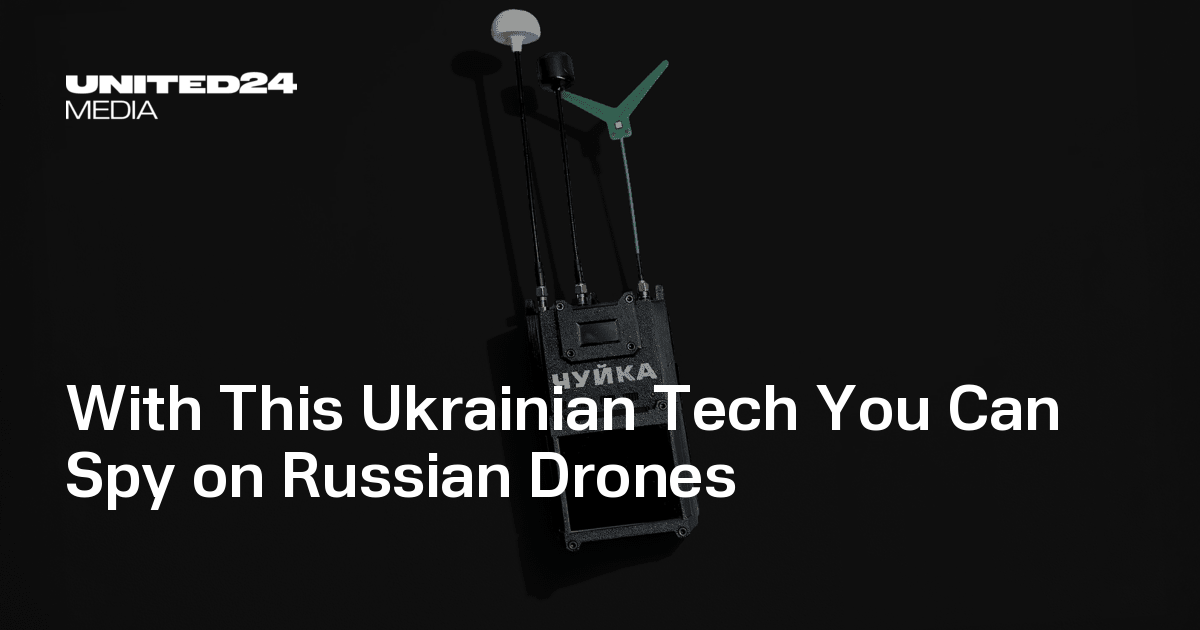
With This Ukrainian Tech You Can Spy on Russian Drones
Ukraine is using advanced, low-cost signal detectors like ZORKO and Chuika to intercept live FPV drone feeds, enhancing protection for troops.
It's Time to Take Down your Smart Cameras 😬
How I Got Super-Vision by Shooting My Eyeballs With Lasers
Two weeks ago I paid to have lasers fired into my eyes. The next day I woke up like Peter Parker, post-spider bite. I couldn’t climb walls, but I coul

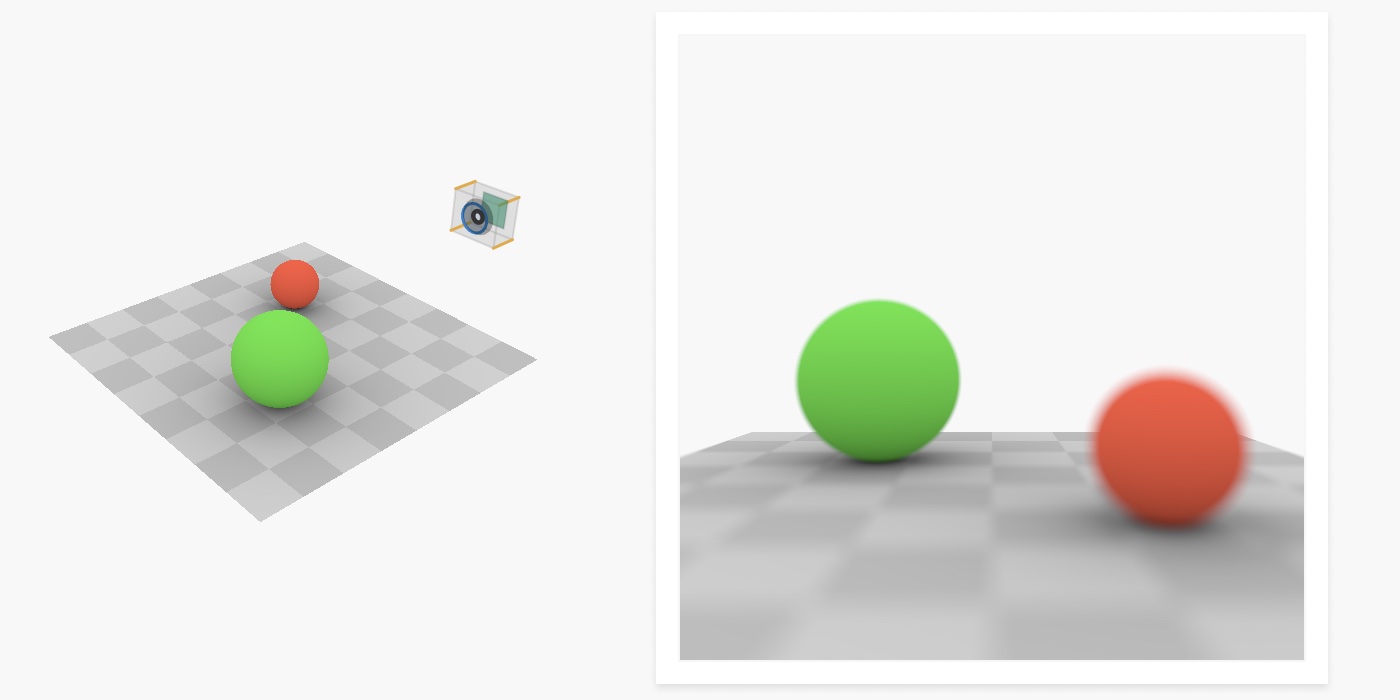
Cameras and Lenses – Bartosz Ciechanowski
Interactive article explaining how cameras and lenses work.
Smart Drone Can Autonomously Avoid Obstacles [VIDEO]
Smart Drone Can Autonomously Avoid Obstacles [VIDEO]

Shot on at.camera (@shot.on.at.camera)
Event Cameras: a New Way of Sensing - Davide Scaramuzza - ICCP 2024 Keynote
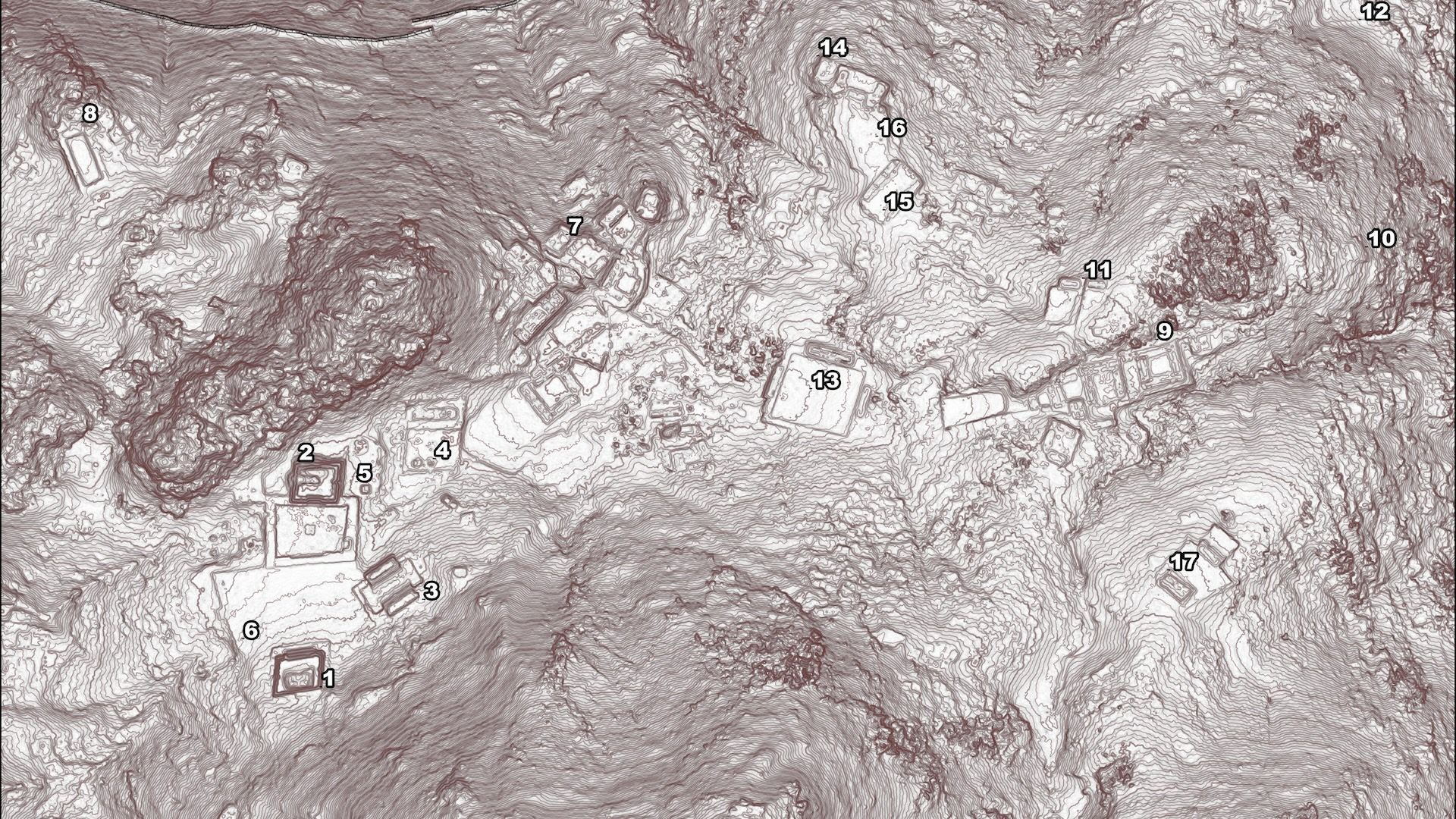
Lasers reveal 15th-century fortified Zapotec city in Mexico
Lidar has fully revealed a 600-year-old Zapotec city in southern Mexico.
https://www.quera.com/blog-posts/holding-the-light-teaching-an-ai-to-lock-and-tune-our-quantum-computers-lasers
QuEra's quantum computers run on lasers held at exact frequencies, a precision no eye can see and only the atoms can distinguish. Keeping a laser there is a continuous act: temperature, vibration, and pressure push it off target all day, and layered feedback pushes it back. When the feedback loop fails, the lock breaks and the machine stops. Bringing it back has historically taken one specific expert: someone who knows the lasers intuitively and has experience with the exact recovery sequence required to return it to the right state. If the lock broke in the middle of the night, that person had to drive to the lab and fix it.

LaserHelix
The New Laser That Can Take Down Aircraft
Russian strikes have forced Ukraine to build high-tech air defense on the cheap.


The Dawn of Robot Surveillance | American Civil Liberties Union
Imagine a surveillance camera in a typical convenience store in the 1980s. That camera was big and expensive, and connected by a wire running through the wall to a VCR sitting in a back room. There have been significant advances in camera technology in the ensuing decades — in resolution, digitization, storage, and wireless transmission — and cameras have become cheaper and far more prevalent. Still, for all those advances, the social implications of being recorded have not changed: when we walk into a store, we generally expect that the presence of cameras won’t affect us. We expect that our movements will be recorded, and we might feel self-conscious if we notice a camera, especially if we’re doing anything that we feel might attract attention. But unless something dramatic occurs, we generally understand that the videos in which we appear are unlikely to be scrutinized or monitored. All that is about to change. Today’s capture-and-store video systems are starting to be augmented with active monitoring technology known variously as “video analytics,” “intelligent video analytics,” or “video content analysis.” The goal of this technology is to allow computers not just to record but also to understand the objects and actions that a camera is capturing. This can be used to alert the authorities when something or someone deemed “suspicious” is detected, or to collect detailed information about video subjects for security or marketing purposes. Behind all the dumb video camera “eyes” that record us will increasingly lie ever-smarter “brains” that will be monitoring us. As we will see, technologists are working on teaching computers to do that monitoring in remarkable ways across a broad variety of dimensions.
ICM Photography Tutorial – Intentional Camera Movement
Iran built a vast camera network to control dissent. Israel turned it into a targeting tool
Israel’s use of Tehran street cameras to help kill Iran’s supreme leader shows how everyday surveillance can turn into a wartime weapon.
Going Peer to Peer with QUIC
Marten Seemann and I just published an entry on his blog, A p2p Vision for QUIC. This is a technical argument, explaining how a series of small improvements to the QUIC standards would suffice to make QUIC a great peer-to-peer (P2P) protocol. I personally love it, because the Internet suffers greatly from excessive centralization, with big platforms acting as gatekeepers. Currently, pretty much all user activities on the Internet are mediated by “services in the cloud”. Take for example something as simple as a security camera in your home. People want to check the camera images when they are outside the home. They cannot connect to the camera or even a home server directly, because the home network is “behind a NAT” – and very possibly behind multiple layers of NAT, given the scarcity of IPv4 addresses. The practical solution is to export the images from the camera to a “service in the cloud”, and to let user contact that service from their cellphone. It works, but it has obvious issues for privacy, security, or even continuity of service: if the cloud service stops, the camera gets bricked. The proposed QUIC architecture would provide a generic solution using the Masque standard for relaying QUIC, combine with QUIC NAT traversal extensions to migrate connections from “using the relay” to “directly P2P”, as shown in the following diagram. +------------------------------+ | Step 1: phone contacts | v the camera through +---|---+ +-----------+-+ the relay | Phone | | Masque ^ | +---|---+ | Relay | | | +-----------|-+ +-------------------------+ | | Step 2: phone and camera cooperate +-----|----|-+ and establish a "hole" in the NAT. | NAT | | | +-----|----|-+ Step 3: traffic flows directly | | between phone and camera without +-|----|-+ burdening the relay | Camera | +--------+ The standards to achieve that are almost ready. The relaying of incoming connections is described in the UDP Listen, already adopted in the Masque Working Group. A draft submitted to the IETF QUIC Working Group describes the Using QUIC to Traverse NAT, and another describes QUIC Address Discovery. I have already implemented the Address Discovery draft in picoquic, and intend to promptly implement the other two drafts. Using QUIC has many advantages. The communications are encrypted end to end, even when they are going through the relay, which has nice security and privacy benefits. The relay is uses standards and is not dependent on the application; if a relay goes out of business, just pick another one. In the weird cases where the NAT traversal fails, the application still works. There are of course many more applications of P2P possible, such as for example direct video calls between two homes, video games and more. The vision is clear: we can do all those applications using QUIC.