

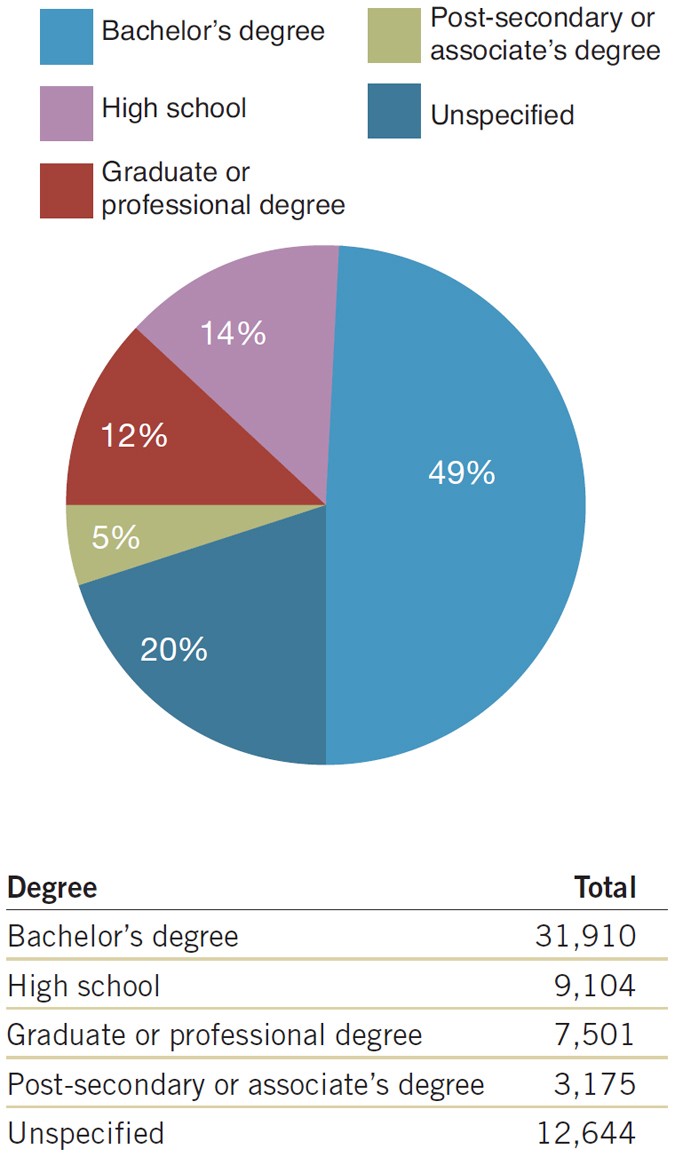
A shift away from hiring narrowly focused specialists to individuals with interdisciplinary academic training highlights the latest life sciences workforce trends.
Biotech boot camp
US funding agencies are turning to a Silicon Valley entrepreneur to focus fledgling biomedical companies on success — even when that means making a scientific course correction.
Shifting the Level of Selection in Science
Criteria for recognizing and rewarding scientists primarily focus on individual contributions. This creates a conflict between what is best for scientists’ careers and what is best for science. In this article, we show how the theory of multilevel selection provides conceptual tools for modifying incentives to better align individual and collective interests. A core principle is the need to account for indirect effects by shifting the level at which selection operates from individuals to the groups in which individuals are embedded. This principle is used in several fields to improve collective outcomes, including animal husbandry, team sports, and professional organizations. Shifting the level of selection has the potential to ameliorate several problems in contemporary science, including accounting for scientists’ diverse contributions to knowledge generation, reducing individual-level competition, and promoting specialization and team science. We discuss the difficulties associated with shifting the level of selection and outline directions for future development in this domain.

Claude for Life Sciences
Discover how Claude accelerates life sciences research with new scientific connectors, skills, and improved performance for drug discovery and clinical work.
Neuroscience needs a career path for software engineers
Few institutions have mechanisms for the type of long-term positions that would best benefit the science.
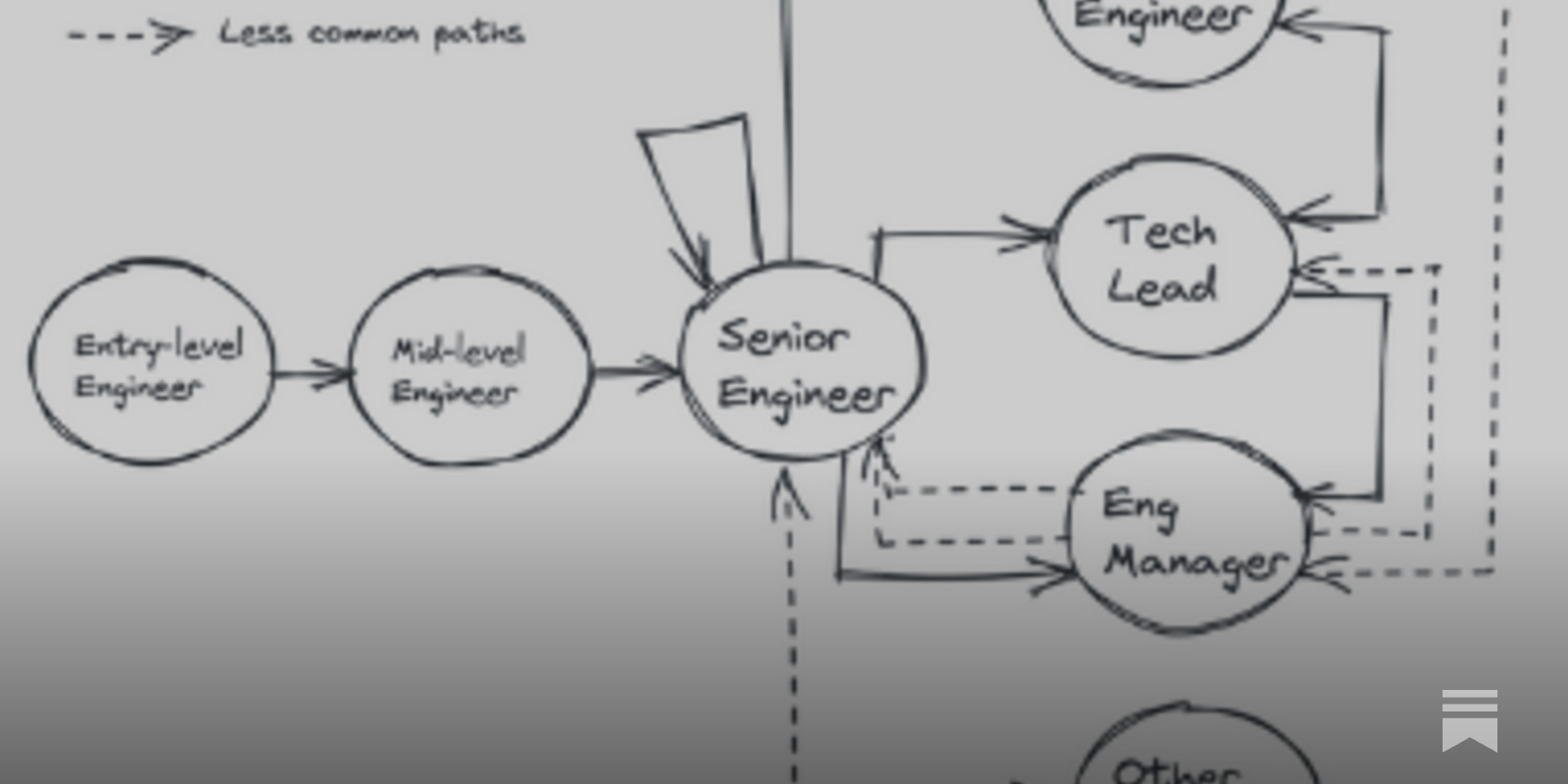
Engineering Career Paths at Big Tech and High-Growth Startups
Levels at big tech, the most common career paths, and what comes after making it to Staff
ASAPbio - Accelerating Science And Publication In Biology
A scientist-driven nonprofit accelerating discovery by promoting innovation and transparency in life science communication through preprints and open peer review.

The SXSW ecosystem is embracing a biotech wave
A look at the expanding biotech landscape at SXSW.

The Impact of Artificial Intelligence on Education and Workforce Trajectories in Tech: A Workshop
Convened by the National Academies’ Action Collaborative on Education and Workforce Trajectories in Tech, The Impact of Artificial Intelligence on Education and Workforce Trajectories in Tech is a one-day exploratory workshop examining how AI is altering the value of human expertise, organizational workforce structures, and career pathways in the tech sector. Bringing together leaders from higher education, industry, and research institutions, discussions will consider how education and workforce systems can prepare individuals with the ethical, technical, and analytical capabilities needed to adapt and thrive in an AI-impacted landscape.
Steve Jurvetson on investing industrial biotech at SynBioBeta SF 2013
Meet Biomni – an AI-powered biomedical co-scientist
In creating a comprehensive, AI-enabled research agent for the biomedical sciences, Stanford researchers hope to speed innovation by eliminating the tedium of scientific legwork.
Hire More Women (and people with diverse experiences and identities) In Tech
Stop missing out on exceptional tech talent. Diverse senior leaders deliver better business outcomes and better products and services.
Careers – Arbor Neuroscience
Arbor is hiring across neuroscience, machine learning, engineering, and clinical research. Ambitious science without a product roadmap deciding what gets built.
Rethinking bioinformatics expertise in the era of artificial intelligence
Artificial intelligence (AI) is often framed as replacing scientific expertise, especially in bioinformatics. We argue instead that AI is a powerful accelerant whose value depends on expert guidance in design, data curation, interpretation, and governance. Because AI cannot judge biological meaning or verify scientific validity, bioinformaticians remain essential. Their role is shifting from workflow execution toward AI design, complex discovery, and responsible institutional leadership across research, translation, and clinical practice.
The Human Infrastructure of Open Science: Why Mentorship Matters More Than Ever
The transformation of academia into a more open and inclusive ecosystem depends not only on new policies or technologies but also on a fundamental shift in how we nurture early-career researchers through mentorship. This values resilience and integrity as much as productivity. Introduction In the vast, often complex, competitive, and

BioCoder
Chronicling stories on those who are making biology research and tools more accessible, collaborative, low-cost, and efficient

A large gender gap persists in STEM disciplines across the world that is bad for innovation, talent attraction & against fairness principles. On International Day of Women and Girls in Science, @ansolassen.bsky.social @cairosofie.bsky.social @valentinatartari.bsky.social are sharing our findings ⬇️
