


By studying disadvantaged children, Richard Tremblay has traced the roots of chronic aggressive behaviour back as far as infancy. Now he hopes to go back further.
Richard D. Bartlett on Twitter / X
I absolutely don't know what I'm talking about but I'm forming a theory of ADHD. consequence of an absence of parental leadership in training the kid how to pay attention— Richard D. Bartlett (@RichDecibels) October 28, 2026
The Biology of Human Behavior: Robert Sapolsky's Key Insights — Trending Sideways
Today you can do something that wasn't possible for any previous generation. You can take a class from a Stanford professor without paying a dime. For the

Retraction Note: High replicability of newly discovered social-behavioural findings is achievable
Nature Human Behaviour - Retraction Note: High replicability of newly discovered social-behavioural findings is achievable
The Epigenetics Revolution by Nessa Carey – review
Peter Forbes on a book that would have had Darwin swooning

Us Versus Them: Harming the ‘Outgroup’ Is Linked to Elevated Activity in the Brain’s Reward Circuitry - Neuroscience News
Aggression toward members in an "outgroup" was associated with increased activity in areas of the brain associated with reward. Activity in the ventromedial prefrontal cortex impacted the level of aggression a person demonstrated against an outsider.

Animal personalities can trip up science, but there’s a solution
Individual behavior patterns may skew studies, but a new approach could help.
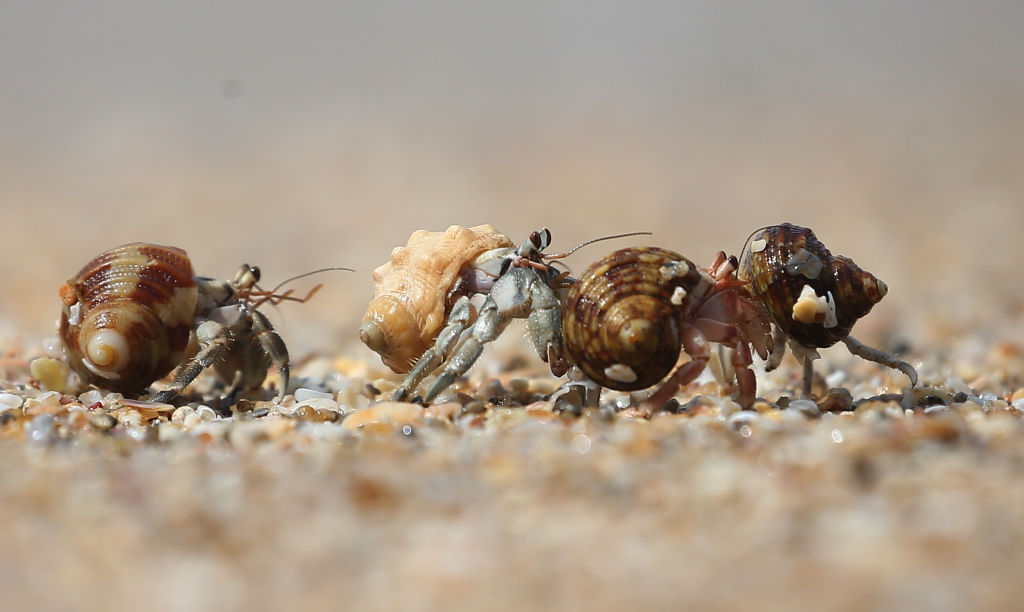
Social interactions may be affected by epigenetics
The DNA that encodes the oxytocin receptor undergoes chemical modifications.
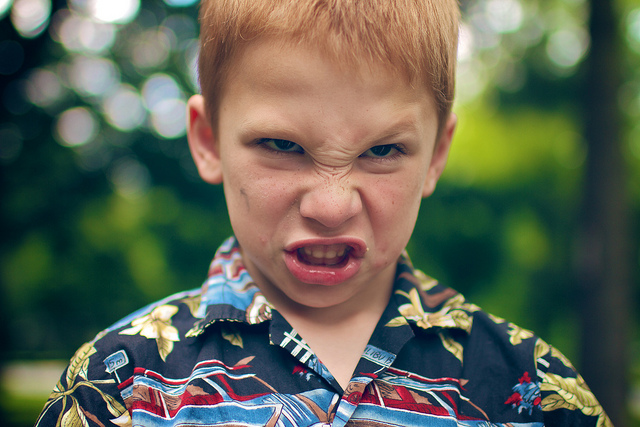
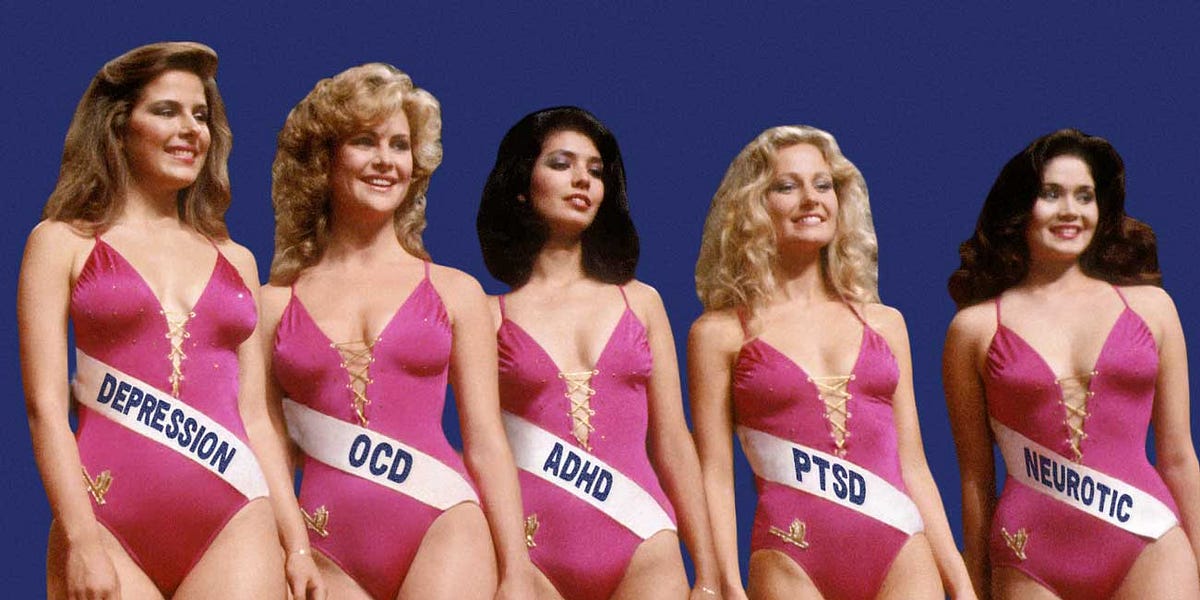
Nobody Has a Personality Anymore
My generation is obsessed with treating every trait as a symptom of a disorder: You’re not shy, you’re autistic; you’re not forgetful, you’ve got ADHD, writes Freya India.
Handbook of Evolutionary Psychology
‘This Handbook is refreshingly different. While including requisite chapters on subfields within evolutionary psychology, it also includes chapters on evolutionary psychology’s influence on other disciplines (e.g., Anthropology, Criminology), and retrospectives on six foundational studies. And perhaps most innovative, chapters are written by an international collection of up-and-coming scholars who give their take on the current and future state of evolutionary psychology.’ – David F. Bjorklund, Florida Atlantic University, USA

Testosterone causes both prosocial and antisocial status-enhancing behaviors in human males | PNAS
Although popular discussion of testosterone’s influence on males often centers on aggression and antisocial behavior, contemporary theorists have p...

The Psychopathic Selection Hypothesis: The Rules of the Game Keep Us Trapped - The Great Simplification
In this episode, Nate is joined by Greg Elliott, a systems theorist and author of the Psychopathic Selection Hypothesis (PSH), to unpack why our institutions themselves have become so psychopathic, and how that affects the behavior of the average human.
RJ Moreau 🇧🇹 on Twitter / X
Human Ecology (CIA MKULTRA front) gave behavioral scientist BF Skinner $5K to write Beyond Freedom and Dignity, where he argued to abolish the inner man & control behavior. His methods later reached schools, where researchers & drug companies tested kids w/ learning difficulties. https://t.co/TQilUoMYQv pic.twitter.com/sZkr4fDqFN— RJ Moreau 🇧🇹 (@toxictiramisu) March 18, 2026

Geeks, MOPs, and sociopaths in subculture evolution | Meaningness
How muggles and sociopaths invade and undermine creative subcultures; and how to stop them.

Children's Acquisition and Application of Norms
All human societies are permeated by collectively shared entities that govern daily social interactions and promote coordination and cooperation: norms. While the study of norm development is not new to developmental psychology, it has only recently been the target of an interdisciplinary wave of research using new methodologies and (often) complementary theoretical accounts to describe and explain the origins and potentially species-unique aspects of human norm psychology. Here we review recent developmental research showing that young children swiftly acquire and infer norms in a variety of social contexts. Moreover, children actively enforce these norms, even as unaffected bystanders, when third parties do things the wrong way. This research suggests that the foundations of human norm psychology can be found in early childhood. Deeper insights into the ontogenetic roots of norm psychology may contribute to understanding the evolutionary emergence of human cooperation and its maintenance in the contemporary world.
The Psychedelic Scientist Who Sends Brains Back to Childhood
Kids soak up new skills, adults not so much. But neuroscientist Gül Dölen might have found a way—with drugs—to help grown-ups learn like littles.
So this is a fascinating article about how a family used ChatGPT to help (emphasis on *help*, not on doing everything) diagnose the rare genetic disorder their kid had. While I know it will make some people angry, I think there are a few good lessons in here: bostonglobe.com/2026/09/12/metro/ai-chatgpt-h…

These parents didn’t know why their daughter was sick. They turned to AI to help solve the mystery. - The Boston Globe
www.bostonglobe.com