


DNA from microbes living on the human body can be used to identify individuals.
Scientists bust myth that our bodies have more bacteria than human cells
Decades-old assumption about microbiota revisited.

A Researcher Needed Three Hours to Identify Me From My DNA
My case highlights the threat to privacy from genetic databases.

How to Identify Almost Anyone in a Consumer Gene Database
New techniques that dig more deeply into genetic databases may soon make the anonymity of their customers’ DNA impossible to safeguard
Human microbiome churns out thousands of tiny novel proteins
The bacteria in and on our bodies make thousands of tiny, previously unidentified proteins that could shed light on human health and advance drug development, Stanford researchers have found.

Your office equipment can reveal the identity of your special someone
In pilot study, microbial “fingerprints” turn up on loved ones and office items.

Your Relative's DNA Could Turn You Into a Suspect
Using DNA for criminal investigations is great—until it turns an innocent person into a suspect.

Reinventing the wheel: milk, microbes, and the fight for real cheese
"Reinventing the Wheel is equal parts popular science, history, and muckraking. Over the past hundred and fifty years, dairy farming and cheesemaking have been transformed, and this book explores what has been lost along the way. Today, using cutting-edge technologies like high-throughput DNA sequencing, scientists are beginning to understand the techniques of our great-grandparents. The authors describe how geneticists are helping conservationists rescue rare dairy cow breeds on the brink of extinction, microbiologists are teaching cheesemakers to nurture the naturally occurring microbes in their raw milk rather than destroying them, and communities of cheesemakers are producing "real" cheeses that reunite farming and flavor, rewarding diversity and sustainability at every level."--Provided by publisher.
Ancestry.com can use your DNA to target ads - CITP Blog
With the reduction in costs of genotyping technology, genetic genealogy has become accessible to more people. Various websites such as Ancestry.com offer genetic genealogy services. Users of these services are mailed an envelope with a DNA collection kit, in which users deposit their saliva. The users then mail their kits back to the service and […]
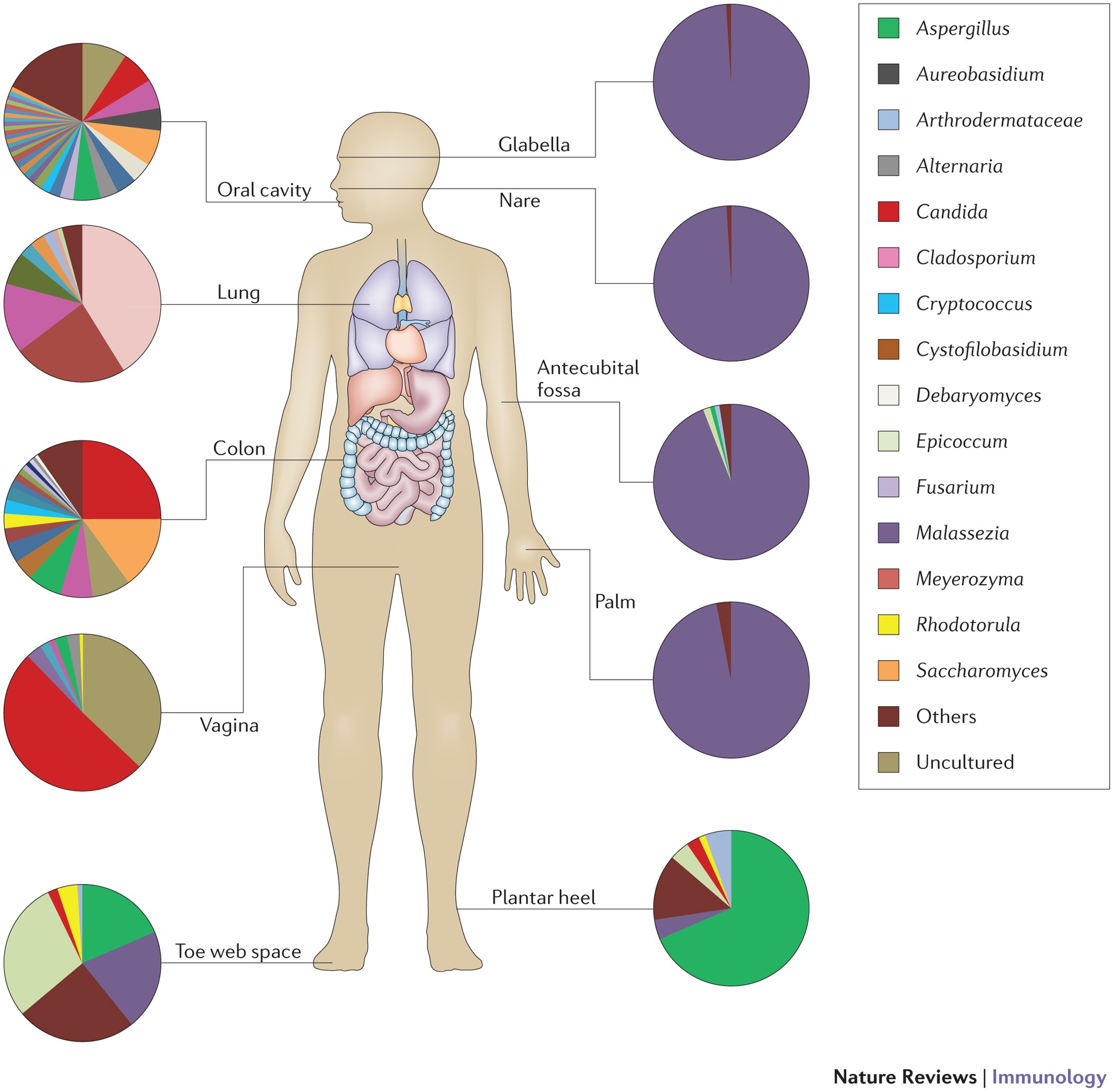
The mycobiota: interactions between commensal fungi and the host immune system
The fungal microbiota, or 'mycobiota', is an understudied component of the microflora that is found on all mucosal surfaces and on the skin.Like other microorganisms, fungi interact with the immune system at these surfaces in ways that are important both for host defence and for regulating the immune system.Investigators who study the mycobiota face both biological and bioinformatic challenges.The study of human genetic disorders and genetic polymorphisms teaches us about the mechanisms by which commensal and pathogenic fungi interact with the immune system.
Biohackers Encoded Malware in a Strand of DNA
Researchers planted a working hacker exploit in a physical strand of DNA.
DEF CON 25 - John Sotos - Genetic Diseases to Guide Digital Hacks of the Human Genome
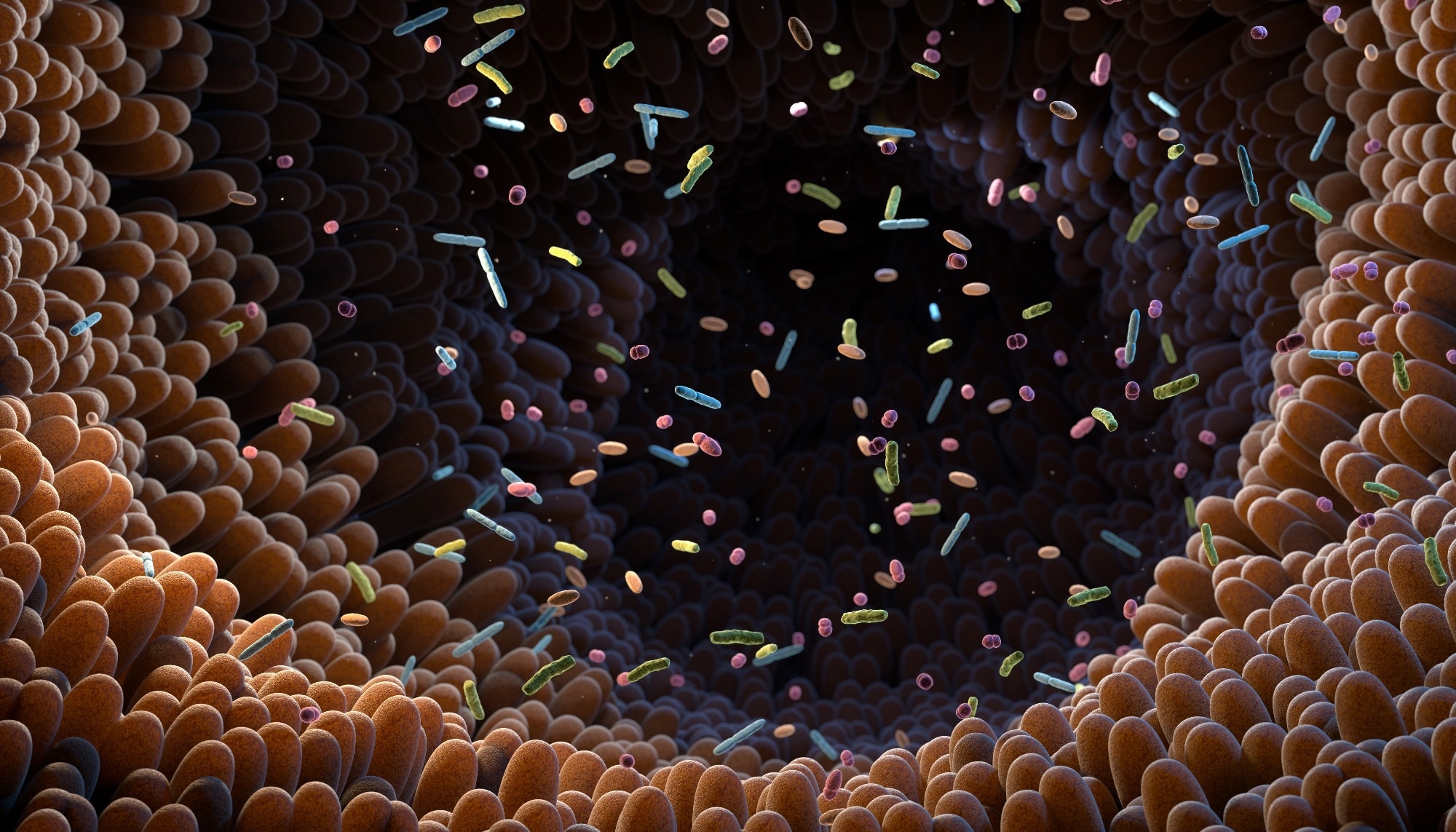
Gut microbiome atlas maps how bacteria establish themselves and shift in inflammatory bowel disease
Researchers created a microbiome-wide atlas mapping more than seven million colonization factor genes across 4,716 human gut microbial species, revealing three putative strategies linked to metabolism, stress resistance, and microbial communication. Applying the framework to inflammatory bowel disease showed that colonization-factor profiles can provide a compact, biologically interpretable view of disease-associated microbiome changes.
Privacy is a collective concern
When we tell companies about ourselves, we give away details about others, too.

Cognition without brains? Learning and memory in microorganisms
Memory and learning are cognitive abilities typically associated with animals that possess a complex nervous system. Interestingly, recent studies suggest that microorganisms might also display learning-like behaviours. However, a factor limiting progress in this field is the lack of shared, microbe-specific frameworks that allow microbiologists to easily compare discoveries with concepts developed in cognitive sciences. In this review, we aim to bridge this gap by providing a conceptual overview of the definitional requirements for memory and learning to classify microbial behaviours and capabilities. Additionally, we identify and address problems that cause conceptual ambiguity in the microbial cognition literature, thereby facilitating more productive debates on the topic. Finally, we provide a novel perspective on how microbes might ‘learn’ from each other.

'Anonymised' data can never be totally anonymous, says study
Findings say it is impossible for researchers to fully protect real identities in datasets
so I just commented on that paper in Cell Host and Microbe that is cited as evidence that the autism/microbiome link is solid: pubpeer.com/publications/9A4B5695950D3396… (not sure what the word “precision” is supposed to mean in the title) tldr; looks p-hacked 🫤 and I couldn’t find the ethics approval 🤔
PubPeer - Precision microbial intervention improves social behavior bu...
pubpeer.com
Kevin Mitchell
Criticism of Autism-Gut Microbiome Research Sparks Pushback the-scientist.com/criticism-of-autism-gut-micro…
