


This paper reviews previous research on the physiological effects of Shinrin-yoku (taking in the forest atmosphere or forest bathing), and presents new results from field experiments conducted in 24 forests across Japan. The term Shinrin-yoku was coined by the Japanese Ministry of Agriculture, Forestry, and Fisheries in 1982, and can be defined as making contact with and taking in the atmosphere of the forest. In order to clarify the physiological effects of Shinrin-yoku, we conducted field experiments in 24 forests across Japan. In each experiment, 12 subjects (280 total; ages 21.7 ± 1.5 year) walked in and viewed a forest or city area. On the first day, six subjects were sent to a forest area, and the others to a city area. On the second day, each group was sent to the other area as a cross-check. Salivary cortisol, blood pressure, pulse rate, and heart rate variability were used as indices. These indices were measured in the morning at the accommodation facility before breakfast and also both before and after the walking (for 16 ± 5 min) and viewing (for 14 ± 2 min). The R–R interval was also measured during the walking and viewing periods. The results show that forest environments promote lower concentrations of cortisol, lower pulse rate, lower blood pressure, greater parasympathetic nerve activity, and lower sympathetic nerve activity than do city environments. These results will contribute to the development of a research field dedicated to forest medicine, which may be used as a strategy for preventive medicine.
Guide to forest bathing | Mindfulness
Learn the basics of 'shinrin-yoku', or forest bathing, and discover how slowing down while immersed in nature can help reduce blood pressure and stress levels.

tree.fm – Tune Into Forests From Around The World 🌳🔈
People around the world recorded the sounds of their forests, so you can escape into nature, while in lockdown or unable to travel. Use this site to chill, meditate or do some digital shinrin-yoku.

Physical and Mental Effects of Bathing: A Randomized Intervention Study
Showering is the most common form of bathing worldwide. Whole-body immersion bathing in warm water (~40°C) is common in Japan and exerts sufficient hyperthermic action to induce vasodilatation and increase blood flow, supplying more oxygen and nutrients to the periphery. Cross-sectional studies report better subjective health status with an immersion bathing habit. This randomized controlled trial compared the effects on health of immersion bathing and shower bathing in 38 participants who received 2-week intervention of immersion bathing in warm water (40°C) for 10 min (bathing intervention) followed by 2-week shower bathing without immersion (showering intervention) or vice versa (n = 19 each group). Visual analog scale scores were significantly better for fatigue, stress, pain, and smile and tended to be better for self-reported heath and skin condition after bathing intervention than after showering intervention. The SF-8 Health Survey showed significantly better general health, mental health, role emotional, and social functioning scores. Profile of Mood State scores were lower for stress, tension-anxiety, anger-hostility, and depression-dejection. Immersion bathing, but not shower bathing, exerts hyperthermic action that induces increased blood flow and metabolic waste elimination, which may afford physical refreshment. Immersion bathing should improve both physical and emotional aspects of quality of life.
Nut intake and hyperuricemia risk in young adults
Objective:The relationship between dietary nut intake and hyperuricemia risk remains unclear. The aim of this study was to investigate the relationship between different nut intake and hyperuricemia risk with a cross-sectional study.Design:A semi-quantitative FFQ was adopted to collect dietary information. Biochemical and anthropometric parameters were measured by standard methods. Multivariate-adjusted logistic regression models were implemented to analyse the relationship between individual nut intake and hyperuricemia risk.Setting:Qingdao University in Shandong Province, China.Participants:During 2018–2019, a total of 14 056 undergraduates (6862 males and 7194 females) aged 15–25 years participated in the study.Results:After adjusting for multiple confounding factors, compared with the lowest quartile, the highest quartile intakes of pine nut (95 % CI (0·51, 0·98)) was significantly associated with 29 % reduction in hyperuricemia risk, the highest quartile intake of walnut (OR = 0·78; 95 % CI (0·58, 1·05)) was marginally negatively associated with hyperuricemia risk.Conclusions:The present study showed that the relationships between intakes of different nuts and hyperuricemia risk were different. Increased dietary intakes of walnut and pine nut are negatively associated with the hyperuricemia.

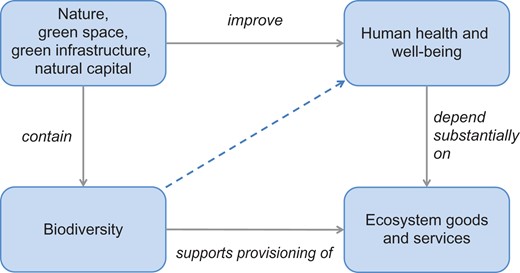
Biodiversity and human health: mechanisms and evidence of the positive health effects of diversity in nature and green spaces
AbstractIntroduction. Natural environments and green spaces provide ecosystem services that enhance human health and well-being. They improve mental health
Your body’s amazing reaction to water
Journalist James Nestor explores the science of the “mammalian dive reflex,” the phenomenon by which water triggers an immediate decrease in heart rate.

Indigenous Knowledge Systems and Indicators of Rain: Evidence from Rwenzori Region, Western Uganda
This study investigated the abiotic and biotic environmental indicators used among pastoralists and arable farmers to predict the onset and cessation of rain as well as to make short-term and seasonal forecasts in the Rwenzori region of Western Uganda. We used a mixed-methods approach that included surveys of 907 households, focus group discussions, and key informant interviews. The results indicate that resident birds such as white-browed coucals and turacos and migrant birds such as eagles and swallows were important indicators of the onset of rains. Butterflies were an important indicator for the cessation of rains, and red ants were an indicator for the onset of rains. Among the abiotic indicators, winds, clouds, earthquakes, and cloud formation on Mount Rwenzori were important indicators. Behavior of cattle at the onset of rains was important among the pastoralists, and flowering of coffee plants was important among the arable farmers. The behavior of the biotic indicators was driven by the availability of food, water, or other necessities. An attempt to explain the phenology underlying the behavior of biotic indicators and the meteorological science underlying some of the abiotic indicators is made. Although biotic environmental indicators are rudimentary and their accuracy is influenced by external factors such as climate change, they provide climate information within the locality of the farmers. Our results suggest that the indicators used in indigenous forecasting could be incorporated in national meteorological systems in a bid to improve the accuracy of rainfall forecasts and their use among farmers and pastoralists in rural Africa.
Crown shyness: are trees social distancing too? | Natural History Museum
If you look up in some forests, you might notice conspicuous gaps between the trees' branches. © Pongpawan Sethanant/ Shutterstock
Inverse association between coffee drinking and serum uric acid concentrations in middle-aged Japanese males
Consumption of caffeine-rich beverages, which have diuretic properties, may decrease serum uric acid concentrations. We examined cross-sectionally the relationship of coffee and green tea consumption to serum uric acid concentrations in 2240 male self-defence officials who received a pre-retirement health examination at four hospitals of the Self-Defence Forces between 1993 and 1994. The mean levels of coffee and green tea consumption were 2·3 and 3·1 cups/d respectively. There was a clear inverse relationship between coffee consumption and serum uric acid concentration. When adjusted for hospital only, those consuming less than one cup of coffee daily had a mean serum uric acid concentration of 60 mg/l, while that of those drinking five or more cups of coffee daily was 56 mg/l (P < 0·0001). No such relationship was observed for green tea, another major dietary source of caffeine in Japan. The relationship between coffee consumption and serum uric acid concentration was independent of age, rank in the Self-Defence Forces, BMI, systolic blood pressure, serum creatinine, serum total cholesterol and serum HDL-cholesterol concentrations, smoking status, alcohol use, beer consumption and intake of dairy products. These findings suggest that coffee drinking may be associated with lower concentrations of serum uric acid, and further studies are needed to confirm the association.
Japan Meteorological Agency
Measures of emotion: A review
A consensual, componential model of emotions conceptualises them as experiential, physiological, and behavioural responses to personally meaningful stimuli. The present review examines this model in terms of whether different types of emotion-evocative stimuli are associated with discrete and invariant patterns of responding in each response system, how such responses are structured, and if such responses converge across different response systems. Across response systems, the bulk of the available evidence favours the idea that measures of emotional responding reflect dimensions rather than discrete states. In addition, experiential, physiological, and behavioural response systems are associated with unique sources of variance, which in turn limits the magnitude of convergence across measures. Accordingly, the authors suggest that there is no “gold standard” measure of emotional responding. Rather, experiential, physiological, and behavioural measures are all relevant to understanding emotion and cannot be assumed to be interchangeable.
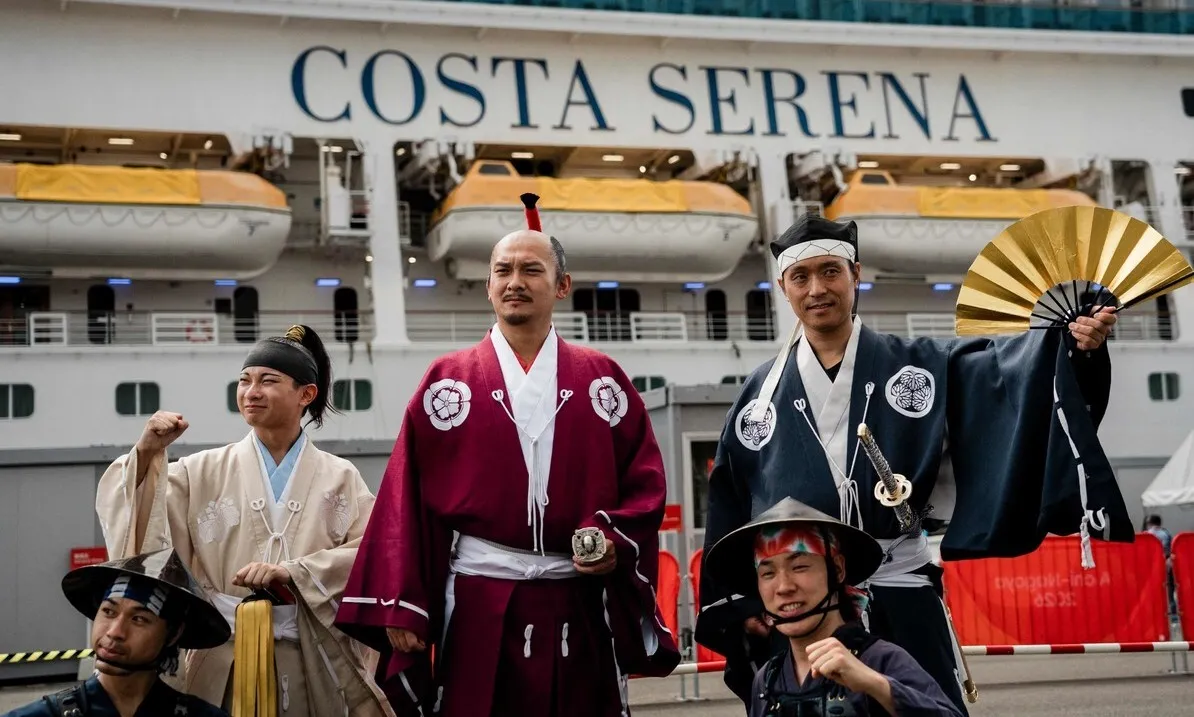
이순신 안 된다더니 도요토미는 되나…아시안게임서 ‘이중잣대’ 논란
대한체육회가 2026 아이치·나고야 아시안게임 크루즈 선수촌 기념행사에 임진왜란을 일으킨 도요토미 히데요시가 등장한 것과 관련해 유감을 표명하고 재발 방지를 요구했다. 대한체육회는 전날(16일) 행사 내용을 인지한 뒤 대한체육회장 명의의 서한을 국제올림픽위원회(IOC)
Association Between Eating Speed and Metabolic Syndrome in a Three-Year Population-Based Cohort Study
Background Metabolic syndrome has received increased global attention over the past few years. Eating behaviors, particularly eating speed, have long been of interest as factors that contribute to the development of obesity and diabetes. The aim of this study was to assess the relationship between eating speed and incidence of metabolic syndrome among middle-aged and elderly Japanese people. Methods A total of 8941 community residents from Soka City in Saitama Prefecture, aged from 40 to 75 years and without a diagnosis of metabolic syndrome, participated in the baseline survey in 2008 and were followed until 2011. Anthropometric measurements and lifestyle factors were measured at baseline and follow-up. The association between eating speed and incidence of metabolic syndrome was evaluated using Cox proportional hazards models adjusted for potential confounding variables. Results During the 3-year follow-up, 647 people were diagnosed with metabolic syndrome (25.0 cases/1000 person-years). The incidence rates of metabolic syndrome among non-fast-eating and fast-eating participants were 2.3% and 3.1%, respectively. The multivariate-adjusted hazard ratio for incidence of metabolic syndrome in the fast-eating group compared to the not-fast-eating group was 1.30 (95% confidence interval [CI], 1.05–1.60) after adjustment for the potential confounding factors. Eating speed was significantly correlated with waist circumference and high-density lipoprotein cholesterol (HDL-C) components of metabolic risk factors. Hazard ratios in the fast-eating group compared with the reference group were 1.35 (95% CI, 1.10–1.66) for waist circumference and 1.37 (95% CI, 1.12–1.67) for HDL-C. Conclusions Eating speed was associated with the incidence of metabolic syndrome. Eating slowly is therefore suggested to be an important lifestyle factor for preventing metabolic syndrome among the Japanese.
Asian Games in Japan Leave Questions of Legacy – Adnkronos English
Nagoya, Oct. 5 (Jiji Press)–The first Summer Asian Games held in Japan in over three decades left behind questions of its legacy. The 16 days of sport mainly held in the central prefecture of Aichi through Sunday featured venues full of cheering crowds and scenes of excitement shared by a wide range of people, a sharp contrast to the spectatorless Tokyo Olympics in 2021 during the COVID-19 pandemic. The Asian Games brought together over 15,000 members of delegations from 45 countries and regions. Japan rewrote its record high for both total medal tally and gold medal count for the quadrennial sporting tournament, sweeping up 269 medals, including 83 golds. Japan left behind valuable memories for people in the country. Spectators witnessed high-level performances by athletes, and were introduced to Asia’s vast array of cultures. People also had a chance to see athletes at public events to celebrate the medalists. The 2021 Olympics and Paralympics in Tokyo had 1,423.8 billion yen in costs. The budget for the Asian Games and the Asian Para Games totaled 298 billion yen, despite the number of sports and participating athletes being larger than those of the worldwide sporting festival. The latest Asian Games aimed to create a sustainable event that was simple yet smoothly operated. The organizing committee decided not to newly build an athletes’ village, while opting to host individual sporting events at existing venues in five Japanese prefectures, including Tokyo. The massive sporting event, however, was not without its hiccups, especially in terms of operations. The event was hosted without the involvement of a major advertising agency taking charge of daily operations, which was unusual for a major international tournament in Japan. Without the know-how of such a company, many staff members on the organizer’s side were inexperienced. “There were operational difficulties from the very start,” a senior official of the organizing committee said. An event planning company tasked with venue operations failed to submit venue diagrams in time, according to a person familiar with the matter. “There was a lack of information sharing,” the person said. The person said that preparations dragged on until just before the opening ceremony, due to expense calculations and venue-related planning being delayed. Issues also plagued the tournament after competitions kicked off. North Korea’s national anthem was played instead of South Korea’s anthem at a men’s hockey match against Bangladesh on Sept. 18, while a bus did not arrive to take the South Korean men’s basketball team to a practice session before the final against Japan on Sept. 20. The organizing committee spent a busy period apologizing and explaining these blunders. While the committee had touted strong ticket sales, many spectator seats were empty at some venues. The committee also learned valuable lessons from its delayed responses to inaccurate posts being spread on social media. The committee was quick to act on some issues. An official of the committee said that it had provided round-the-clock support to tackle reports of water leaks, clogged drain and other issues by people staying at container houses serving as accommodation for athletes. On transportation issues, the committee switched to a booking system that did not accept late bus reservations after a predetermined deadline. Junichi Kawai, commissioner of the Japan Sports Agency who has plenty of experience competing at international tournaments as a six-time Paralympian with 21 Paralympic medals in swimming under his belt, said, “We always have issues” at any big tournament. “We’ve resolved them.” The Japanese government plans to put together the country’s accumulated know-how on running a massive sporting tournament, and pass such lessons on to future generations. Japan’s basic law on sports, revised last year, stipulates that efforts securing the transparency of tournament operations and nurturing personnel are state-led measures. As part of the effort, the Asian Games organizing committee needs to leave behind reports and people with related knowledge and experience. In terms of revenues, the tournament’s sponsorship income reached 27 billion yen, exceeding the organizing committee’s goal. The legacy of the latest Asian Games is the method of cutting down on expenses through utilizing container hotels and cruise ships in place of a dedicated athletes’ village, as well as ways to deal with challenges involving the transportation of athletes. Such a legacy will be very important given that Japan may host another massive sporting tournament, including possibly another Olympic Games, in the future. A committee was launched in September to submit a bid to host the 2035 Rugby World Cup. END [Copyright The Jiji Press, Ltd.]

Effect of the Tokyo 2020 Summer Olympic Games on COVID-19 incidence in Japan: a synthetic control approach
Background The Tokyo 2020 Summer Olympic Games (23 July–8 August 2021) were held in the middle of Japan’s fifth wave of COVID-19, when the number of cases was on the rise, and coincided with the fourth state of emergency implemented by the host city, Tokyo. Aim This study aimed to assess whether the hosting of the Games was associated with a change in the number of COVID-19 cases in Japan using a synthetic control method. Methods A weighted average of control countries with a variety of predictors was used to estimate the counterfactual trajectory of daily COVID-19 cases per 1 000 000 population in the absence of the Games in Japan. Outcome and predictor data were extracted using official and open sources spanning several countries. The predictors comprise the most recent country-level annual or daily data accessible during the Games, including the stringency of the government’s COVID-19 response, testing capacity and vaccination capacity; human mobility index; electoral democracy index and demographic, socioeconomic, health and weather information. After excluding countries with missing data, 42 countries were ultimately used as control countries. Results The number of observed cases per 1 000 000 population on the last day of the Games was 109.2 (7-day average), which was 115.7% higher than the counterfactual trajectory comprising 51.0 confirmed cases per 1 000 000 population. During the Olympic period (since 23 July), the observed cumulative number of cases was 61.0% higher than the counterfactual trajectory, comprising 143 072 and 89 210 confirmed cases (p=0.023), respectively. The counterfactual trajectory lagged 10 days behind the observed trends. Conclusions Given the increasing likelihood that new emerging infectious diseases will be reported in the future, we believe that the results of this study should serve as a sentinel warning for upcoming mega-events during COVID-19 and future pandemics.