A Buddhist monk confronts Japan’s suicide culture.

Little Boy: The Arts of Japan’s Exploding Subculture
Society cannot recover from such an epic scale of devastation - the atomic bombs dropped on Hiroshima and three days later on Nagasaki on August 9, 1945 - but may, instead, manifest trauma as a perpetual genetic scar—ontological chasm which moves as a consumptive demon ripping up through the generations as a peripatetic wound, egregious disfigurement banished from conscious thought, inflating to cartoon benignity in a pantomime of humanity, sutured gash badly sewn and always reopening, futile replacement of scarred mortality for the immaculate technology of machines, and finally as the wholesale abandonment of frail humanity for alternative existential states.
Fight, Magic, Items: The History of Final Fantasy, Drag…
Take a journey through the history of Japanese role-pla…

Workers from Myanmar speak on daily abuse at Hokkaido farm | The Asahi Shimbun Asia & Japan Watch
SAPPORO—Six Myanmar nationals gave a tearful account here of the daily physical abuse they endured on a farm in Kyogoku, Hokkaido.
Buddha and Mind
In Pānadurē in the British colony of Ceylon in 1871, a Buddhist monk and a Christian missionary debated each other in front of five thousand people over which religion was the more scientific.
Effects of Extreme Ritual Practices on Psychophysiological Well-Being
Extreme ritual practices involving pain and suffering pose significant risks such as injury, trauma, or infection. Nonetheless, they are performed by millions of people around the world and are often culturally prescribed remedies for a variety of maladies, and especially those related to mental health. What is the actual impact of these practices on health? Combining ethnographic observations and psychophysiological monitoring, we investigated outcomes of participation in one of the world’s most extreme rituals, involving bodily mutilation and prolonged suffering. Performance of this physically demanding ordeal had no detrimental effects on physiological health and was associated with subjective health improvements, and these improvements were greater for those who engaged in more intense forms of participation. Moreover, individuals who experienced health problems and/or were of low socioeconomic status sought more painful levels of engagement. We suggest two potential mechanisms for these effects: a bottom-up process triggered by neurological responses to pain and a top-down process related to increased social support and self-enhancement. These mechanisms may buffer stress-induced pressures and positively affect quality of life. Our results stress the importance of traditional cultural practices for coping with adversity, especially in contexts where psychiatric or other medical interventions are not widely available.

Dharma Talk: Sangha – The Mindfulness Bell
We all need love. Without enough love, we may not be able to survive, as individuals and as a planet. It is said that the next Buddha will be named
Indian medalist calls Japan-hosted Asian Games a 'sad' event for athletes
Official from Aichi-Nagoya organizing committee apologizes for logistical lapses

Cultural Computing with Context-Aware Application: ZENetic Computer
We offer Cultural Computing as a method for cultural translation that uses scientific methods to represent the essential aspects of culture. Including images that heretofore have not been the focus of computing, such as images of Eastern thought and Buddhism, and the Sansui paintings, poetry and kimono that evoke these images, we projected the style of communication developed by Zen schools over hundreds of years into a world for the user to explore – an exotic Eastern Sansui world. Through encounters with Zen Koans and haiku poetry, the user is constantly and sharply forced to confirm the whereabouts of his or her self-consciousness. However, there is no "right answer" to be found anywhere.

When "yang" goes wrong — LessWrong
On the connection between deep atheism and seeking control.
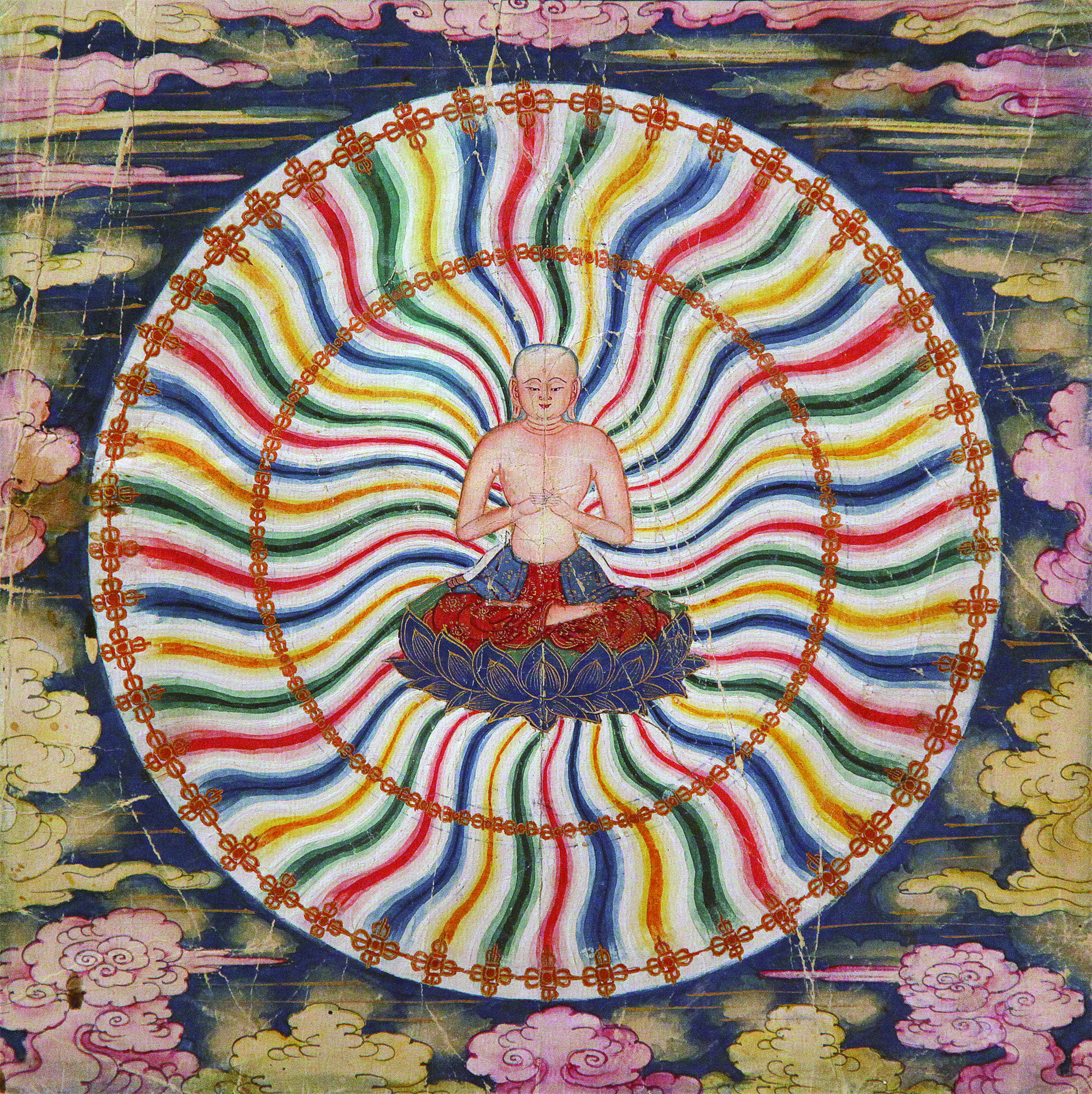
Methodology in Research on the Rainbow Body: Anthropological and Psychological Reflections on Death and Dying
The rainbow body research project, engaging claims of spiritual attainment and personal transformation, enables us to examine key features of anthropological research. Engagement with communities of discourse exposed aspects of the artificial emic–etic divide, allowing the anthropological study of religion to advance methods in religious studies. The study of paranormal phenomena cannot be isolated from societal contextualization. In this instance, a study of death and dying, contextualized in a traditional community, required unique features of engagement for the researcher who would be present to the social dynamics surrounding the death of a person of high repute.
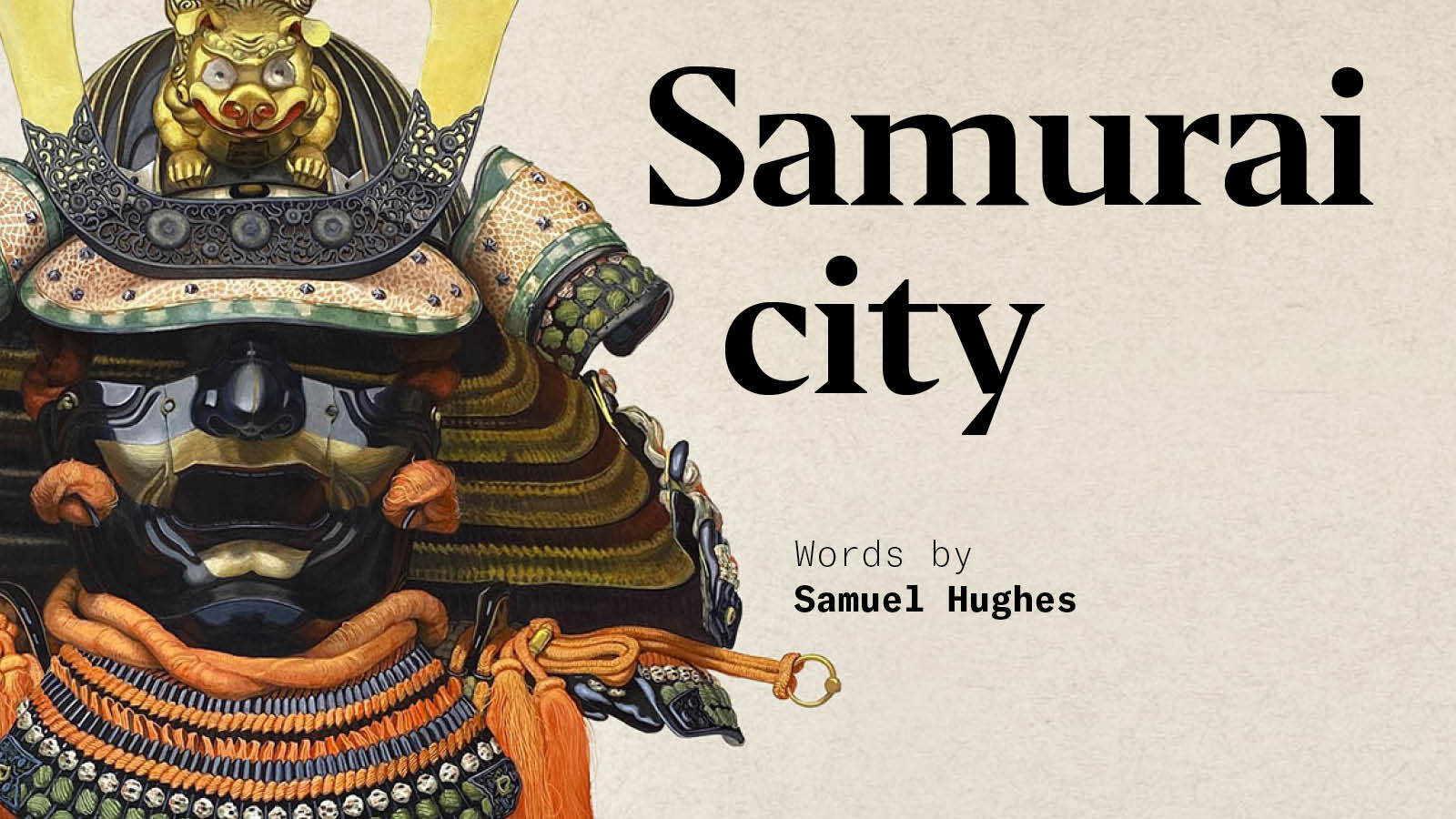
Samurai city - Works in Progress Magazine
For three hundred years, Japan enjoyed enviable stability and peace. All it took was locking up its warlike samurai elite in the world’s least efficient city.
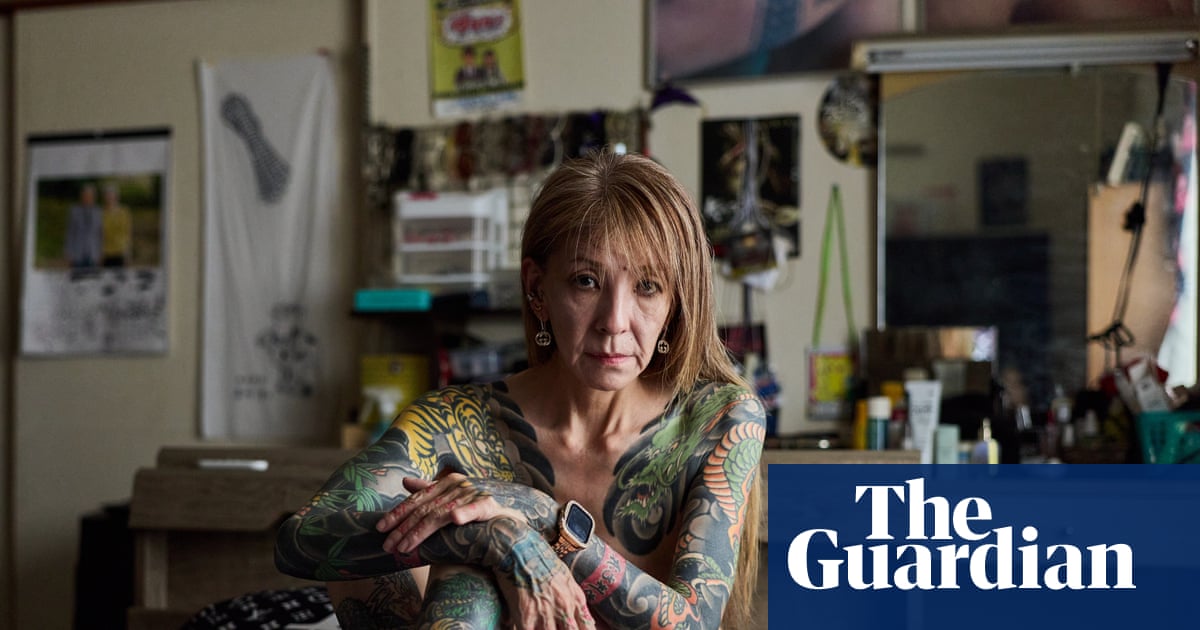
‘The devil’s child’: the rise and fall of the only female yakuza
The long read: Mako Nishimura fought her way into the Japanese underworld, but drug addiction and the slow demise of organised crime gangs almost destroyed her
Ghetto Koans by James Cagney | East Bay Booksellers
The Japanese word ‘ koan’ is a seemingly unanswerable riddle used by practitioners of Zen Buddhism to trigger spiritual enlightenment and understanding.
Taking Love Seriously: What Ancient Wisdom & Modern Psychology Say About Interconnectedness - The Great Simplification
In this episode, Nate welcomes Dr. John Churchill, a psychologist and former Buddhist monk, to explore a map of human development that runs from "first-person" perspective of the isolated self all the way to a felt, embodied sense of interdependence with the planet itself.