

New discoveries about the human mind show the limitations of reason.
Why Facts Don’t Change Minds in the Culture Wars—Structure Does
Why do facts bounce off some people? It’s not about logic; it’s about structure. Your worldview isn’t a list of opinions—it's a living network. And right now, it's at war.
The mistake we all make... and the simple experiment that reveals it
Your answer reveals how you see the world – and the common error that hampers our decision making. In an extract from his new book, psychologist Richard Nisbett reveals the ‘mindware’ to help us think smarter

Is AI Reasoning Right for the Wrong Reasons? | Quanta Magazine
The idea that artificial intelligence can “reason” is more intuitive than ever. But intuitions can be wrong, and the science is far from settled.

Why I believe current AI models can really think and understand - Part 1 of 2
How the human mind is different from our conception of it

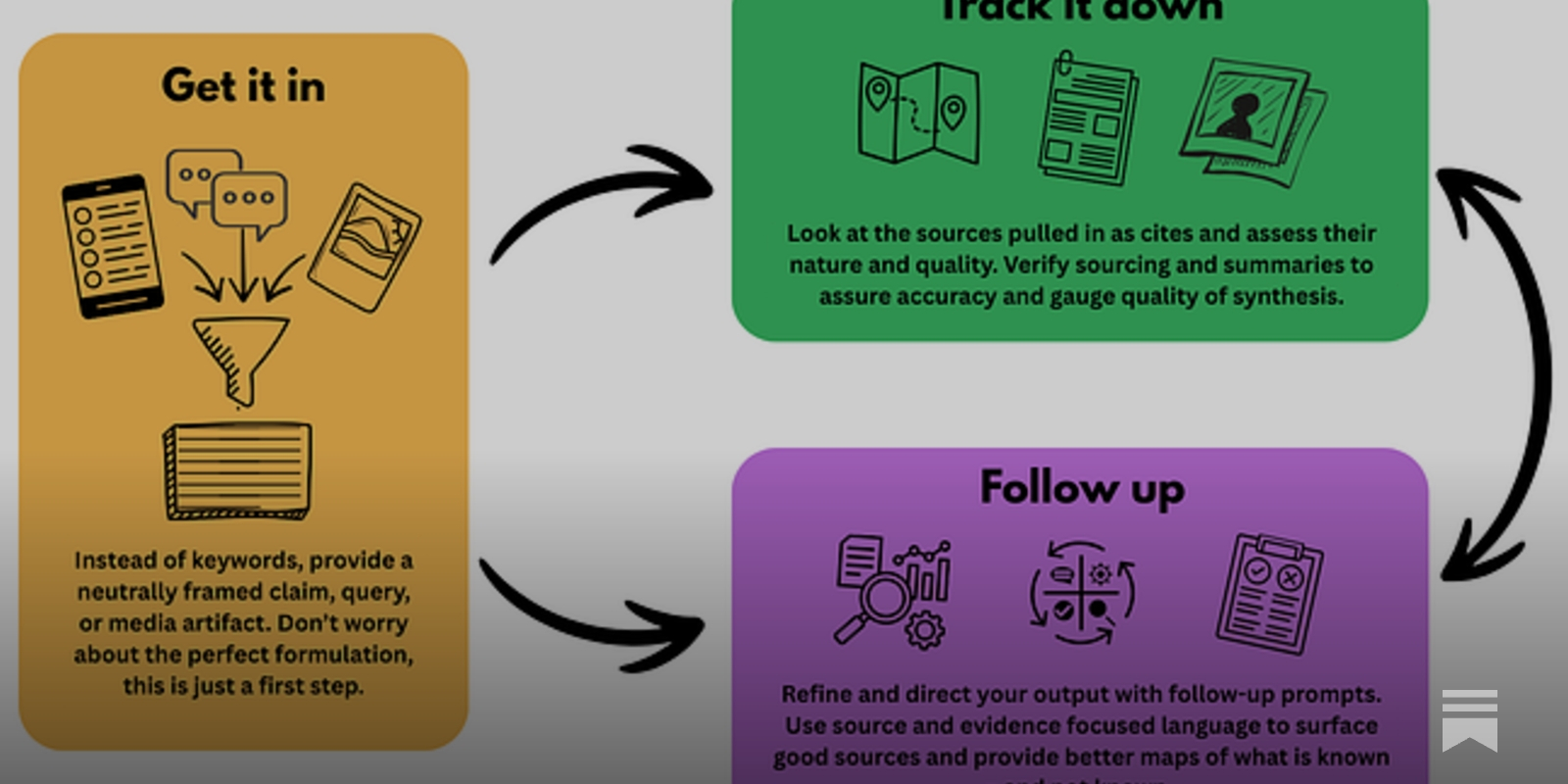
We're not taking the fact-checking powers of AI seriously enough. It's past time to start.
Some notes on the Nobel Prize hallucination that wasn't
Are We Thinking Correctly About AI Intelligence? | Quanta Magazine
Computer scientist Melanie Mitchell discusses why artificial intelligence doesn’t “think” or “reason” like humans, and how we can create better methods for measuring machine cognition.
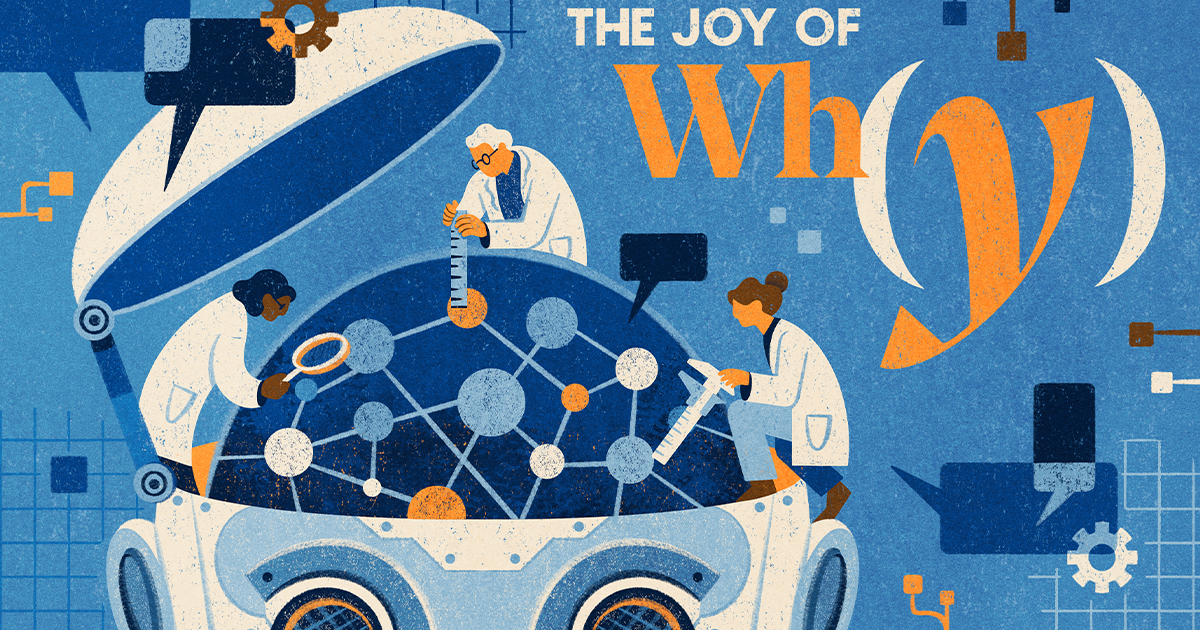

By Humans, For Humans – Mindful Design
Now, more than ever, we need to consider the real, human impact of the work we do. This is a fundamental principle of Mindful Design.

Reason Commons | Reason Commons — Issue Trees & Logical Thinking Process
Structure the thinking as trees — a tree of change, and a tree of action — with every claim and every step still connected to the goal it serves. Let ordinary discussion attach where it belongs, and let AI keep the tree current. The point is that our thinking should accumulate.
Why Psychology Hasn’t Had a Big New Idea in Decades
Can our field get its act together?

Ramin Saadat, Reasoning: From Biological Foundations to the Hidden Thread of Shared Understanding - PhilArchive
This paper investigates the nature and origins of human reasoning by synthesizing insights from classical philosophy, evolutionary biology, and contemporary neuroscience. Moving beyond the Aristotelian definition of zoon logon echon, which ...

Technology is a Siren Song
Orangutan thinking This started with a question I asked myself: How do our minds change when we can receive a plausible, informed, and convincing answe...

A World Unobserved
Humans have always generated knowledge and judged it. That's changing fast.

I don't understand this. 52 years later, why try and replicate the original? It's obviously not going to be the same study. The world has changed; cars, traffic, and people have changed. If one is interested in false memory, why not design the best study you can? What can you conclude meaningfully?
Andrew Gelman et al.
A plan to replicate the Loftus and Palmer (1974) experiment on false memories statmodeling.stat.columbia.edu/2026/10/04/a-plan-to-replicat…
