There are certain creative figures whose mature works are almost tangential to their enduring artistic influence. Marcel Duchamp falls into this group, as does Andy Warhol. And so, certainly, does John Cage. He opened doors—floodgates, really—and dissolved definitions; if most of his own compositions now seem less interesting than the ramifications of his ideas, there can be little doubt that his oceanic spirit changed the topography.
Horizon: Forbidden West -- Anatomy of a Crowd Pleaser
The Oceanic provenance of Permacomputing and Computational poetics
Heritage Frontiers in Computational Art: The Oceanic provenance of Permacomputing and Computational poetics (2024) Nancy Mauro-Flude Keywords heritage algorithms, Oceana, codework, future heritage, technē, digital decolonisation, sandboxing, in-formal cultural economies, philosophy of technology, critical media theory. Citation: Mauro-Flude, N. (2024). Heritage Frontiers in Computational Art: The Oceanic Provenance of Permacomputing and Computational Poetics. Originally presented at ISEA, the updated version is available at Autoluminescence Institute. Initially presented June 26, 2024 at [ISEA2024](https://expertevents.
Bret Victor - Stop Drawing Dead Fish
The Andy Warhol Foundation for the Visual Arts
Thomas Ammann Fine Art initiates the ongoing Andy Warhol Catalogue Raisonné: Paintings, Sculptures, and Drawings project.
Max Cooper - Perpetual Motion (Official Video by Nick Cobby)
Appreciating Alan Wake’s Adverb Apocalypse
Alan Wake wears the veil of pulp horror with all the silliness it entails, hiding a valuable message about art under its surface.
Three minutes with Hans Rosling will change your mind about the world
Nature - He has influenced leaders from Melinda Gates to Fidel Castro. Now, he is on a mission to save people from their preconceived ideas.
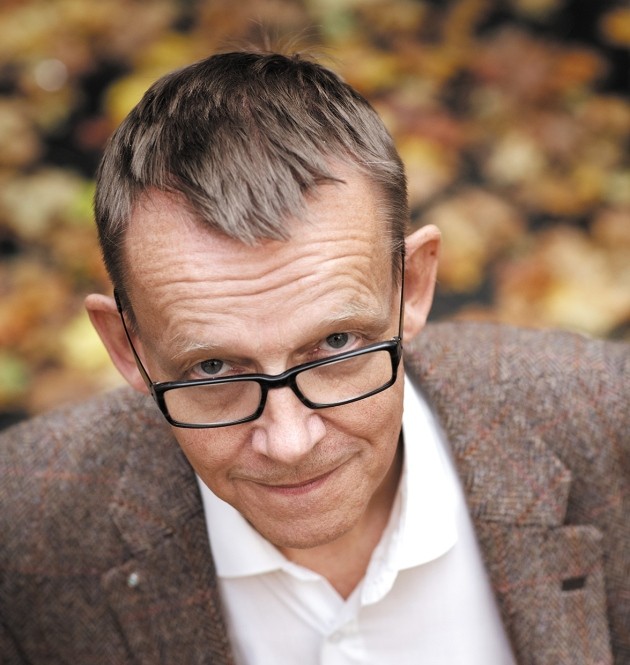
Terence McKenna's Last Trip
The "altered statesman" emerged from Leary's long shadow to push a magical blend of psychedelics, technology, and revelatory rap. He had less time than he knew.
Geoffrey Litt
Here’s a very incomplete list of people whose work I’ve found inspirational. If your taste is similar to mine, maybe you’ll get some inspiration from their work too.

David Hawkins-Weeks (@hawkinsweeks.eurosky.social) - Leaflet
Read and publish on the Atmosphere
Pierre d'Alancaisez: The Crisis in Contemporary Art
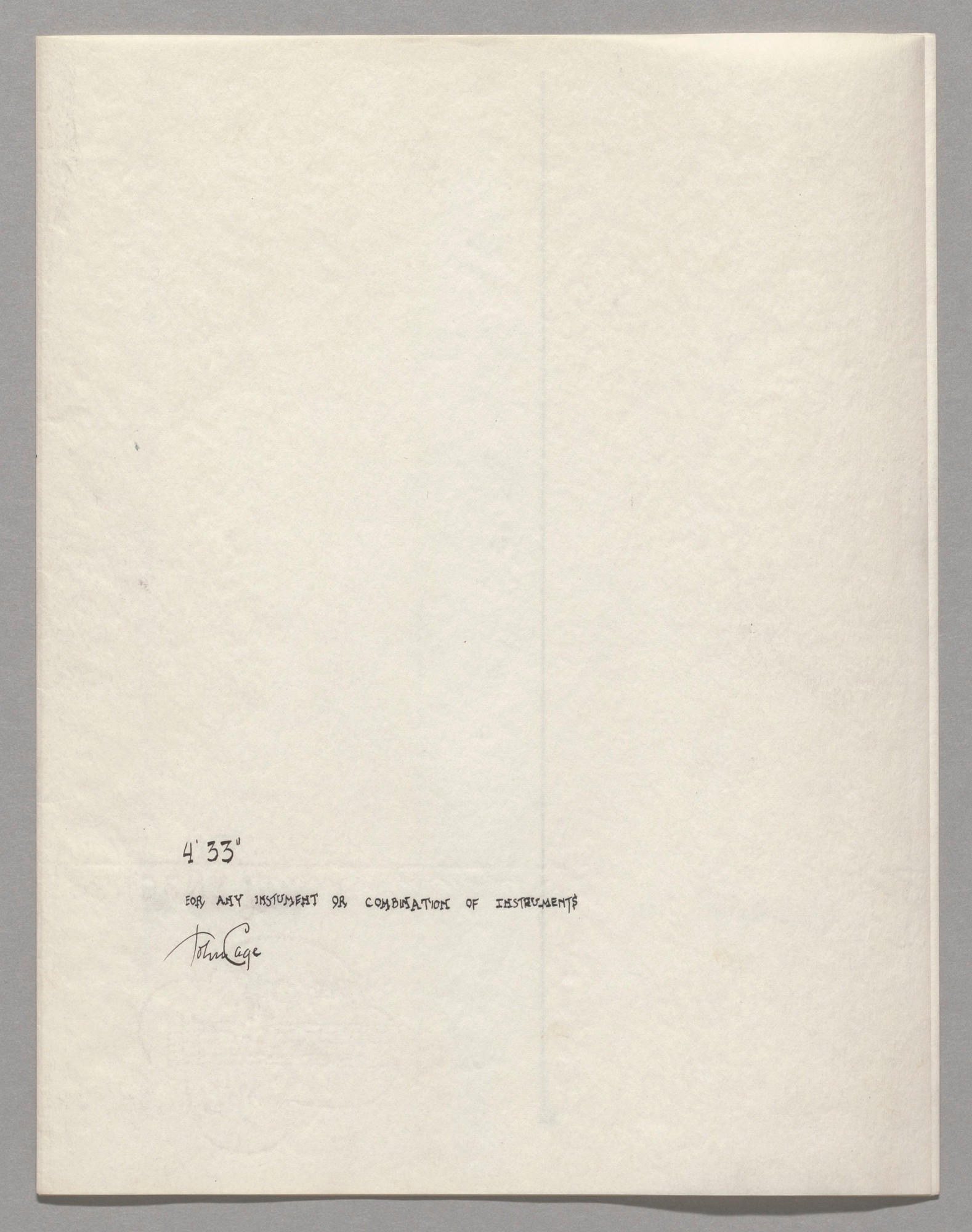
There Will Never Be Silence: Scoring John Cage’s 4′33″ | MoMA
Exhibition. Oct 12, 2013–Jun 22, 2014. On a warm summer evening in August 1952 pianist David Tudor approached a piano on stage at the Maverick Concert Hall in Woodstock, New York. Stopwatch in hand, Tudor sat before the piano and, without striking a note, premiered John Cage’s composition 4′33″. Commonly known as Cage's “silent” piece, 4′33″ comprises three movements during which a performer—or performers—are instructed to produce no intentional sounds for four minutes and 33 seconds. This radical gesture upended the conventional structure of music, shifting attention from the performer to the audience, and allowing for endless possibilities of ambient sounds to fill the space. Today, 4′33″ is recognized as a groundbreaking work that synthesizes Cage’s interests in chance operations, experimental music, and visual arts. When discussing the work over his lifetime, Cage emphasized that, rather than intending to simply shock his audience, he hoped to attune listeners to silence as a structure within musical notation. In the visual arts, Cage’s contemporaries were similarly using chance, “negative space,” and physically dematerialized works that encourage open presentations or interpretations of scripted experiences. This exhibition introduces the Museum’s recently acquired score for 4′33″ and examines it, and Cage’s influence, as a critical pivot around which a diverse array of artists working throughout the 20th century can be united. Taking its title from a letter written by Cage in 1954, There Will Never Be Silence features prints, drawings, artists’ books, photographs, paintings, sculptures, and films by such artists as Marcel Duchamp, Kurt Schwitters, Robert Rauschenberg, Robert Morris, Lawrence Weiner, Yoko Ono, Andy Warhol, and other artists associated with Fluxus, Minimalism, and Conceptual art who pushed preconceived boundaries of space, time, and physicality to new ends.