

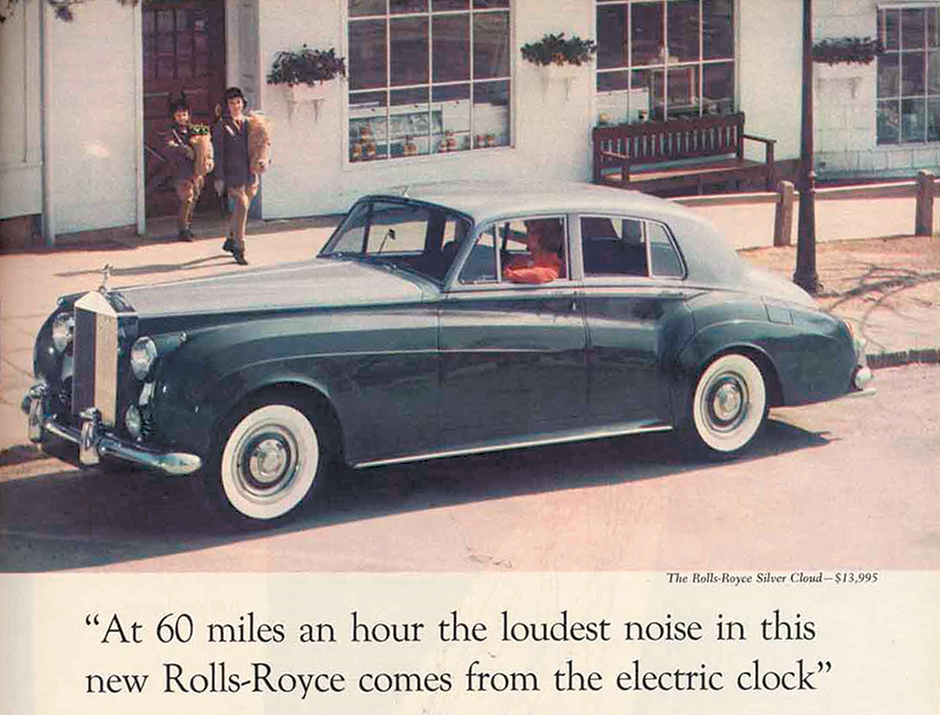
George Akerlof and Robert Shiller believe that once we understand human psychology, we will be a lot less enthusiastic about free markets and a lot more worried about the harmful effects of competition. In their view, companies exploit human weaknesses not necessarily because they are malicious or venal, but because the market makes them do it.
Everyone is a Strategist and No One is a Writer
From politics to culture, we face a crisis of cleverness and a society addicted to marketing
Tech and the Fake Market tactic
Tech helped Fake Markets took over Free Markets without media or politicians even noticing.

Opinion | Why Is Behavioral Economics So Popular? (Published 2018)
The recent vogue for this academic field is in part a triumph of marketing.

The Art of Taking Smart Risks
Good risk can bring joy to life, but Americans are up against forces that profit from the reckless kind.

Free Our Feeds
Social media is broken: controlled by a handful of billionaires who shape what people see, say, and believe. These platforms profit from division, exploit user data, and lock people into closed systems.
GDPR will pop the adtech bubble
In The Big Short, investor Michael Burry says “One hallmark of mania is the rapid rise in the incidence and complexity of fraud.” Based on that assumption, Burry shorted the mania- and …

Pluralistic: They’re just trying to earn a buck (07 Oct 2025) – Pluralistic: Daily links from Cory Doctorow
Life as a prisoner of the neoliberal mind palace must suck: it's a world where every person who suffers under predatory business practices is a "consumer" who has "revealed a preference" for being screwed:
Why I'm Worried About Job Loss + Thoughts on Comparative Advantage — LessWrong
David Oks published a well-written essay yesterday arguing that the current panic about AI job displacement is overblown. I agree with a few of his p…
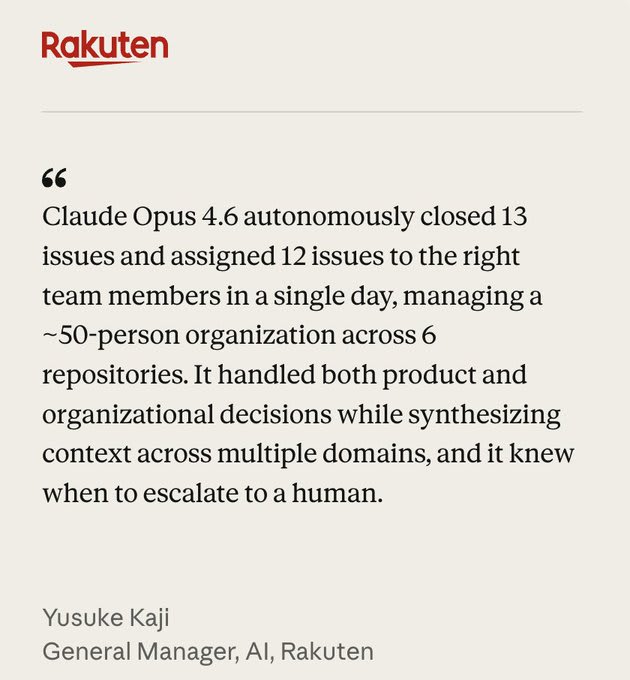
Commodity Intelligence
The seductiveness of “general intelligence” is rooted in a costly category error
Why Freemium Failed Baremetrics (And Hurt Our MRR)
Three months ago, we introduced a Free plan…and it nearly brought Baremetrics to its knees. Let’s take a look at what we did, how it affected our business and how it was ultimately a failure.

Billionaires, Corporate Landlords, and AI Companies Are Seen As Among the Worst Actors in U.S. Society
Voters view billionaires, corporate landlords, payday loans, sports gambling, cryptocurrency, and AI companies as negatively impacting the U.S. economy and society.

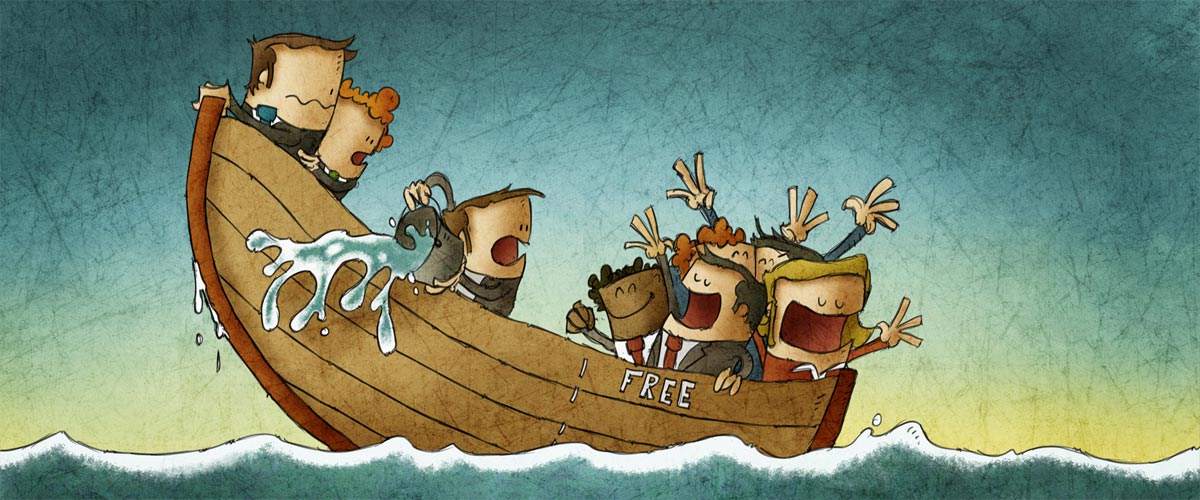
Episode 386: The Power of Free
Everybody likes free. But free can be dangerous. On today's show, what happens when you take something that was free and give it a price. That's a highly risky move and the damage can be enormous.

The attention market—and what is wrong with it
Attention is described as a “scarce commodity” that is traded in “a marketplace.” This, it is further claimed, contributes to a “widespread sense of attentional crisis.” But is there really an attention market, and if so, what, if anything, is wrong with it? We defend the claim that there are markets in attention. We provide an account of such attention markets and use that account to address what is morally wrong with them. Our account draws on knowledge of how attention works and what roles it plays in the mind. The attention market trades in an ability to influence our attention – somewhat (though not exactly) like the labor market trades in an ability to influence how we use our capacity for work. Specifically, the commodity it trades in is attentional landscaping potential, viz. the ability to systematically influence patterns of attention by changes to the sensory environment individuals are exposed to. Attention markets thus, we argue, commodify influence over a human capacity that plays a central role in shaping individual experience, agency, and belief formation. This feature of attention markets makes them ethically problematic. As markets in access to external influence, attention markets pose a special threat to individual autonomy and escape the classical liberal defense of free markets. Those who value autonomy should worry about the attention markets that exist today.

The internet has evolved to foster a fatal expectation: that the things we depend on every day are free. They aren't, but we're allowed to pretend they are with the help of ad-driven business models. The real cost is substantial, and can be measured in time, money, relationships, health, and more.

Fund Your Internet
fundyourinternet.org