


As our own interviews with ISIS recruits in Europe and captured ISIS fighters in Iraq have shown, simply treating the Islamic State as a form of "terrorism" or "violent extremism" masks the menace. Dismissing the group as “nihilistic” reflects a dangerous avoidance of trying to comprehend, and deal with, its profoundly alluring mission to change and save the world.
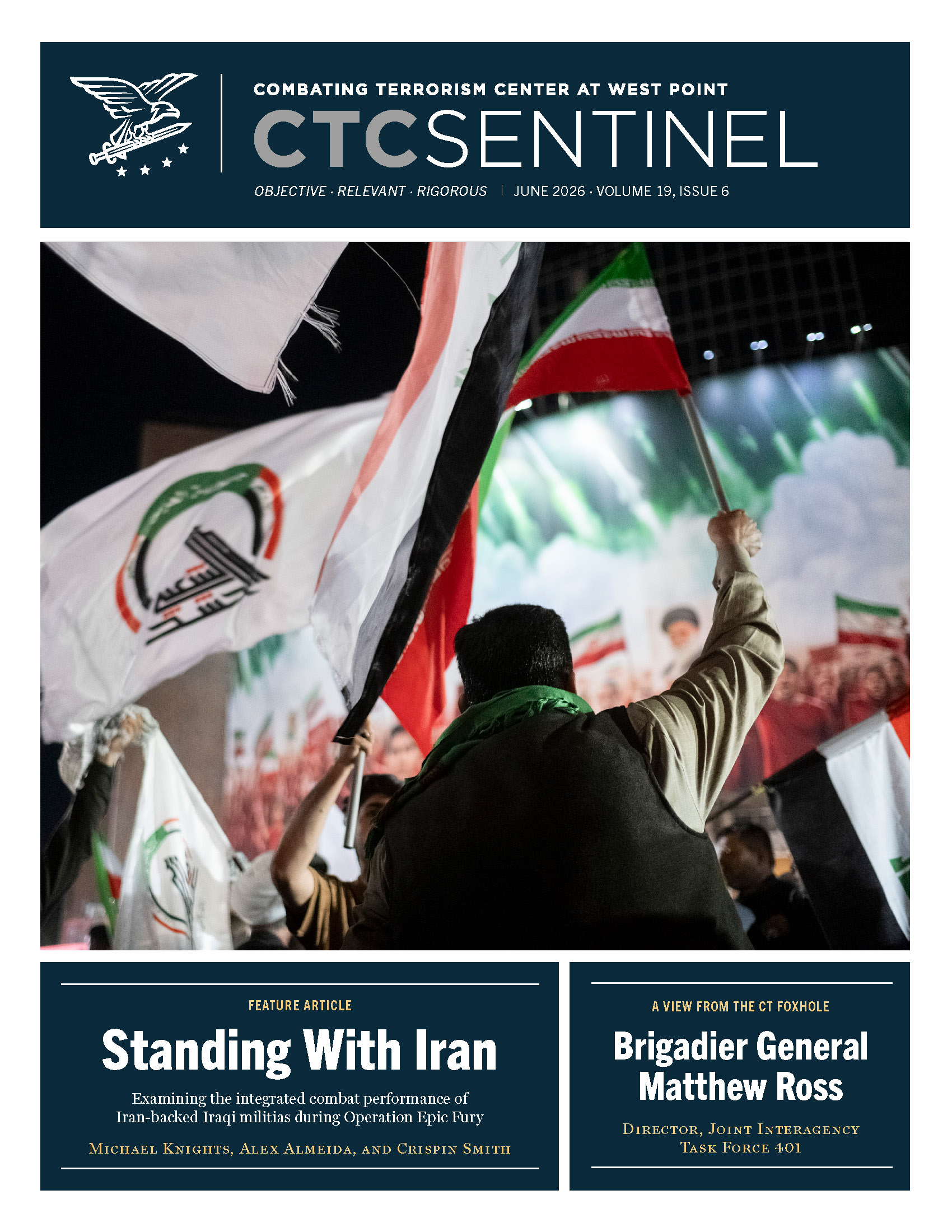
Remotely Coerced Violence: 764, The Com Network, and the Hybridization of Threats - Combating Terrorism Center at West Point
Abstract: This article examines 764 and the wider Com Network as a case study in remotely coerced violence and the hybridization of contemporary terrorist and violent extremist threats. It argues that nihilistic violent extremism is best understood as a victim-driven, youth-centered online ecosystem in which status, belonging, and identity are earned through the production, circulation, … Continued
'ISIS has young people exactly where it wants them': Inside the terror networks operating on Instagram | LBC
An LBC investigation looking into the networks of Islamist terror accounts on Instagram has discovered at least 125 accounts with a combined follower count of more than 136,000 posting content sympathetic to proscribed groups

Why are attacks on Muslims not labelled as terrorism?
An attack on worshippers outside an Edinburgh mosque prompts a wider question about how Britain defines terrorism

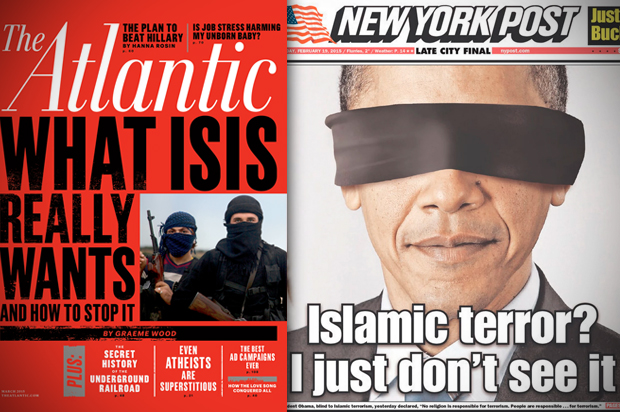
This stupidity needs to end: Why the Atlantic & NY Post are clueless about Islam
Pundits claiming that ISIS is emblematic of Islam ignore the intellectual traditions at the heart of the religion
Leader-driven or Leaderless: How Participation Structure Sustains Engagement and Shapes Narratives in Online Hate Communities
Extremist communities increasingly rely on social media to sustain and amplify divisive discourse. However, the relationship between their internal participation structures, audience engagement, and narrative expression remains underexplored. This study analyzes ten years of Facebook activity by hate groups related to the Israel–Palestine conflict, focusing on anti-Semitic and Islamophobic ideologies. Consistent with prior work, we find that higher participation centralization in online hate groups is associated with greater user engagement across hate ideologies, suggesting the role of key actors in sustaining group activity over time. Meanwhile, our narrative frame detection models—based on an eight-frame extremist taxonomy (e.g., dehumanization, violence justification)—reveal a clear contrast across hate ideologies: centralized Islamophobic groups employ more uniform messaging, while centralized anti-Semitic groups demonstrate greater framing diversity and topical breadth, potentially reflecting distinct historical trajectories and leader coordination patterns. Analysis of the inter-group network indicates that, although centralization and homophily are not clearly linked, ideological distinctions emerge: Islamophobic groups cluster tightly, whereas anti-Semitic groups remain more evenly connected. Overall, these findings clarify how participation structure may shape the dissemination pattern and resonance of extremist narratives online and provide a foundation for tailored strategies to disrupt or mitigate such discourse.
WATCH: I Used to Be In A Cult And Here's What It Did To My Brain
Extremism has become a sensationalized catchall phrase, often used by politicians and mass media to polarize and to label groups of people as "the bad guys." But, what is extremism? And how do we get to the root of its destructiveness?

The end times fascists are plotting their escape from our world. Our mission is clear | Naomi Klein and Astra Taylor
An unholy alliance is working toward an apocalyptic future from which only a chosen few will emerge unscathed. It’s becoming clear how we stop them
The thinking style that makes people vulnerable to extremism | Psyche Ideas
The people most drawn to ideological thinking and authoritarianism aren’t aware of what makes them so susceptible
Opinion | The limits of the ‘Islamic’ label
Why the Islamic State exists, and who joins.

Al-Qaeda's Likely Strategy, and Why It May Work
Psychological research finds a clear link between terror-related fears and prejudice toward outsiders.
How Facebook’s Political Unit Enables the Dark Art of Digital Propaganda
Some of the unit’s clients stifle opposition and stoke extremism.

'A very frightening time': US terror tag endangers UK Palestine Action activists, critics say
Washington's move to designate Palestine Action as a transnational terrorist organisation could place British activists associated with the group at heightened risk of surveillance and being frozen out of the financial system, campaigners warn.

Living under armed drones: an ethnography of terror and survival in Northeastern Syria - AOAV
An ethnographic study of northeastern Syria reveals how Turkish armed drone strikes between 2019 and 2023 have reshaped daily life, instilling fear, destroying infrastructure, and forcing civilians to adopt survival strategies under constant surveillance and random violence.

How a Papal Ban Reshaped the French Right – The Journal of Politics Blog
Political extremism is often attributed to voter anger and broader structural socioeconomic conditions. From this perspective, efforts to counter extremist movements may appear futile, since such groups are seen as deeply embedded in the contexts from which they arise. But is this necessarily the case? To address this question, we examine the Papal condemnation of an influential far-right movement in interwar France.
DHS deploys white nationalist, anti-immigrant graphics to recruit
The Department of Homeland Security’s deportation efforts under Trump have energized and validated some hate groups.

“Terrorism”

NSPM-7 and other expansions of “terrorist” designations, criminalizing protests and other nonviolent forms of political dissent, etc.

NLG Condemns OFAC Designation of Palestine Action and Autistici/Inventati, Calls for Challenges - National Lawyers Guild
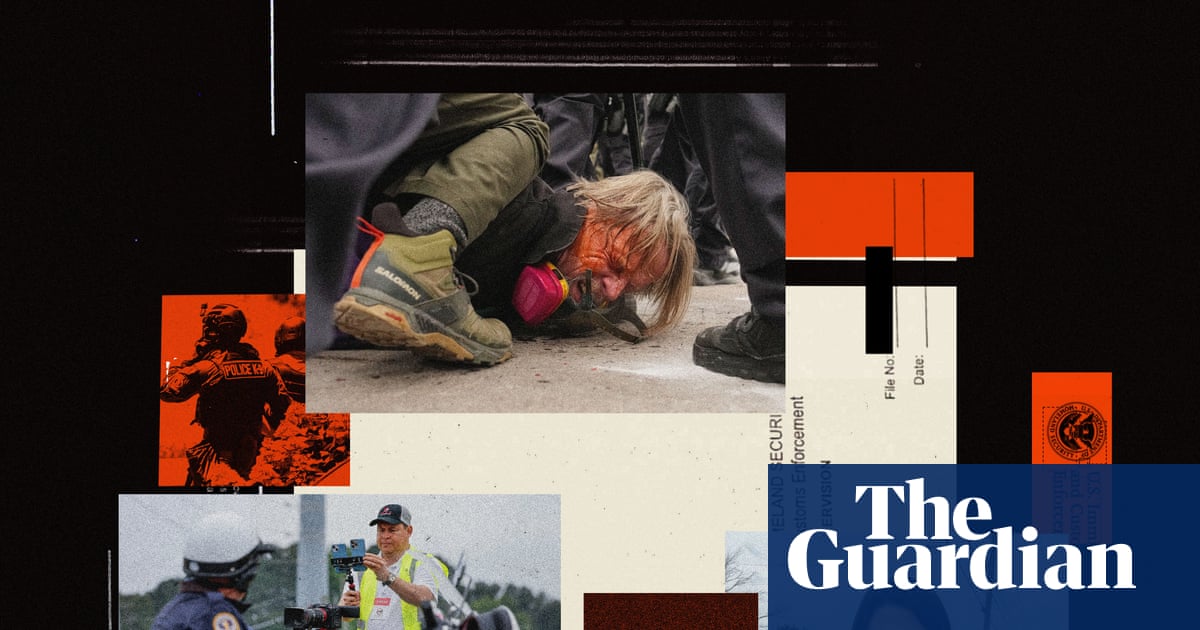
Freedom oppressed: the journalists caught up in Trump’s ICE crackdown

Mass Arrests by Trump's ICE, CBP Repeatedly Fail Under Scrutiny — ProPublica

Rubio and Miller warn of the ‘mortal threat’ of ‘far-left terror’ in speech to 67 countries | CNN Politics
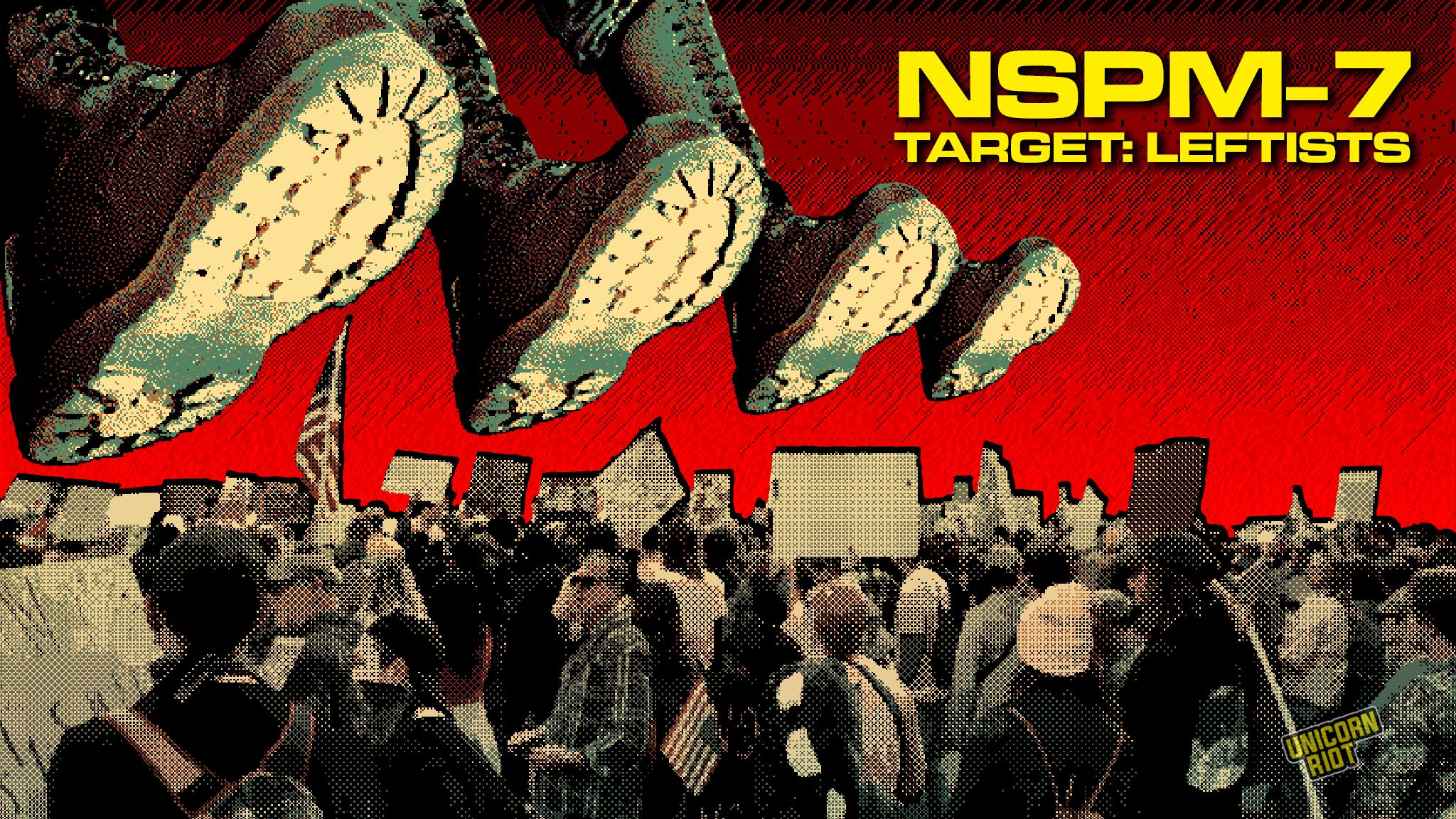
The War on Terror Turns Left - UNICORN RIOT

How the Administration Picks Its Targets, Then Picks the Crime