


It’s how they learn right from wrong.
The Effective Altruism Kids Aren’t Alright
On sexual violence, Slutcon, and what happens when children take on adult responsibilities.

Spanking Is Ineffective and Harmful to Children, Pediatricians’ Group Says (Published 2018)
The latest research shows spanking does not teach children right from wrong and can have long-lasting, damaging effects.

Why Does Everyone Hate Children?
Why Does Everyone Hate Children?
Opinion | Liam Ramos Was Just One of Hundreds of Children at This Detention Center. Release Them All.
Children do not deserve immigration detention.

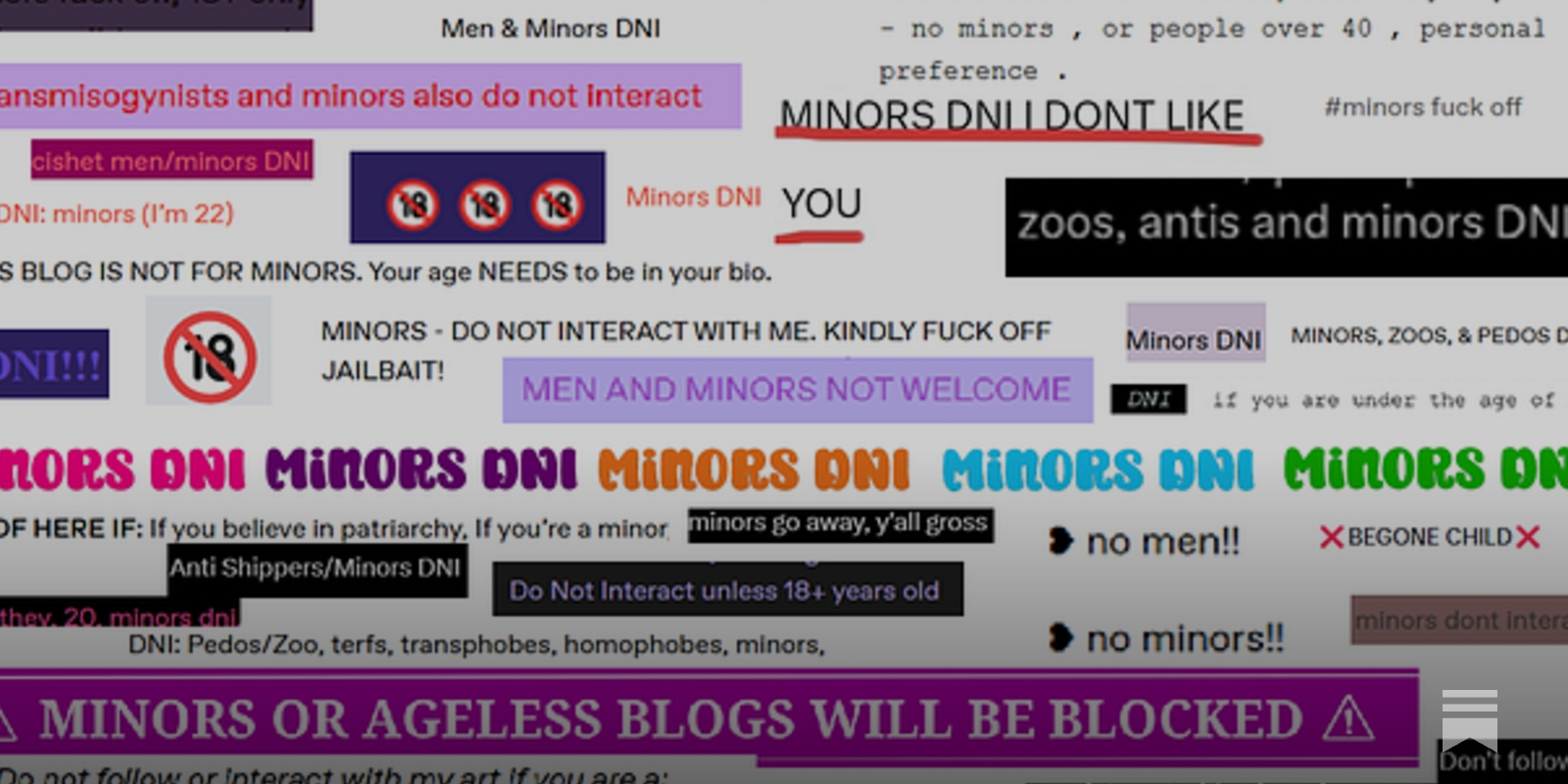
The Kids Are (Mostly) Alright: New Pew Study Deflates The Social Media Panic
A couple weeks back, Jonathan Haidt published another entry in his ongoing campaign to convince the world that social media is inherently ruining kids’ lives. This one was a victory lap title…

A Rule is to Break
Simply celebrating childhood: the joy, the wonder of discovery, the spontaneity, and strong emotions Wild Child is free to do as she pleases. <i>A Rule Is To Break: A Child's Guide to Anarchy</i> follows Wild Child as she learns about just being herself and how that translates into kid autonomy. It presents the ideas of challenging societal expectations and tradition and expressing yourself freely in kid-terms that are both funny and thought provoking—it even functions as a guidebook for adults to understand what it is to be a critically thinking, creative individual. Wild Child is <i>the</i> role model for disobedience that is sometimes civil.<br><br> Mostly pictures (that are cute!) and a little text, and looks good, but don't expect much of a lesson in real anarchy! For ages 4 and up!

Children’s Sense of Fairness as Equal Respect
One influential view holds that children’s sense of fairness emerges at age 8 and is rooted in the development of an aversion to unequal resource distributions. Here, we suggest two amendments to this view. First, we argue and present evidence that children’s sense of fairness emerges already at age 3 in (and only in) the context of collaborative activities. This is because, in our theoretical view, collaboration creates a sense of equal respect among partners. Second, we argue and present evidence that children’s judgments about what is fair are essentially judgments about the social meaning of the distributive act; for example, children accept unequal distributions if the procedure gave everyone an equal chance (so-called distributive justice). Children thus respond to unequal (and other) distributions not based on material concerns, but rather based on interpersonal concerns: they want equal respect.
Child Liberation | The Paper Pilot
The Paper Pilot's digital garden of thoughts on philosophy, politics, and sociology
How a flawed idea is teaching millions of kids to be poor readers
For decades, schools have taught children the strategies of struggling readers, using a theory about reading that cognitive scientists have repeatedly debunked. And many teachers and parents don't know there's anything wrong with it.

In Fighting for Every Black Child, Did I Betray My Own?
A decade ago, I made a decision about my daughter’s education that I hoped would challenge New York City’s separate and unequal school system. Now 16, she thinks I made the wrong choice.

In Fighting for Every Black Child, Did I Betray My Own?
A decade ago, I made a decision about my daughter’s education that I hoped would challenge New York City’s separate and unequal school system. Now 16, she thinks I made the wrong choice.
The Possibilities for Child Liberation
Children's liberation movements have challenged the notion that limited responsibilities for young people must come with limited rights.
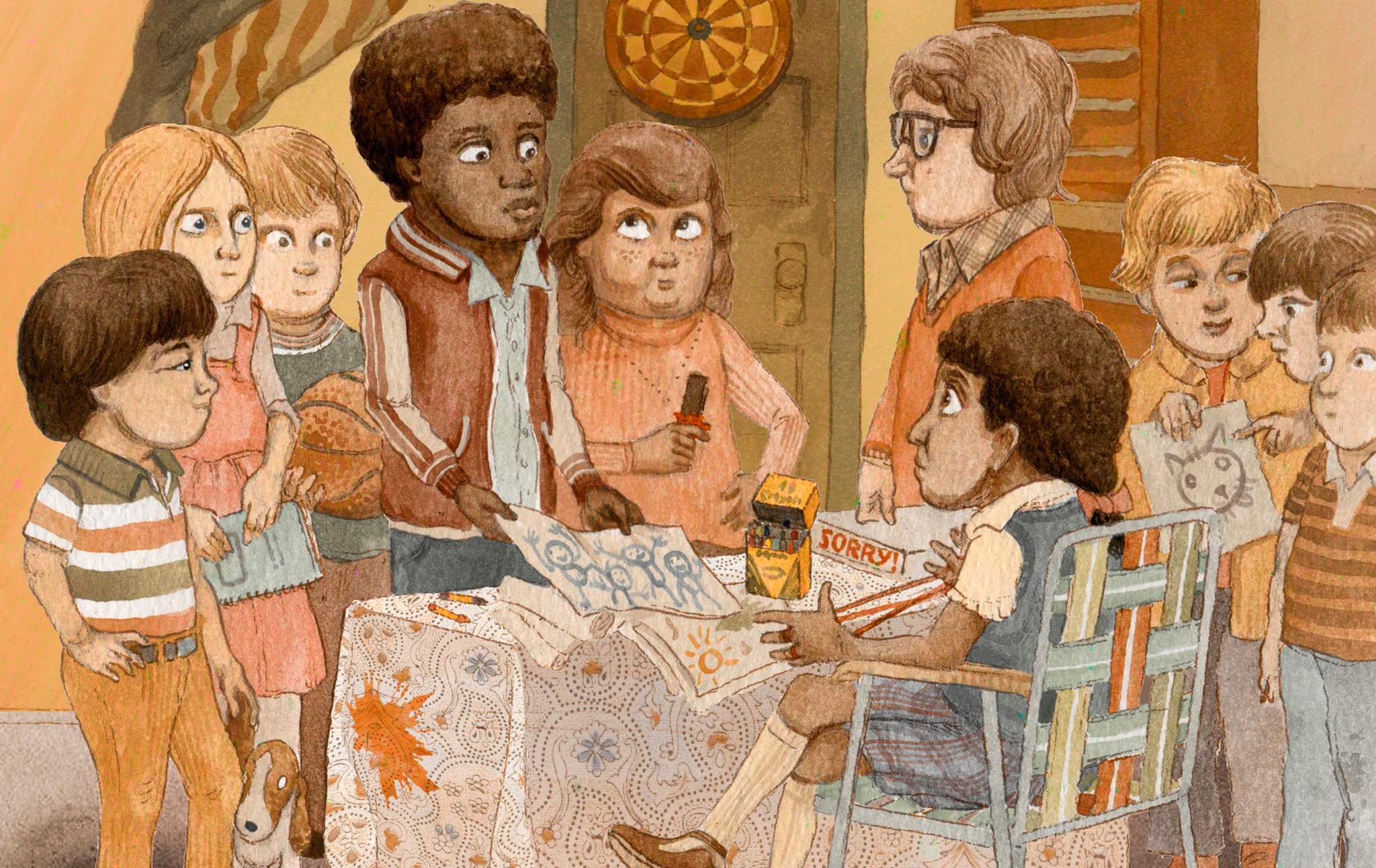
10 Things to Stop Saying to Your Kids (and What to Say Instead)
Current research shows that some of the most commonly used and seemingly positive phrases we use with kids are actually quite destructive. Despite our

Does AI stop children from learning?
New data show the peril and promise of the technology
