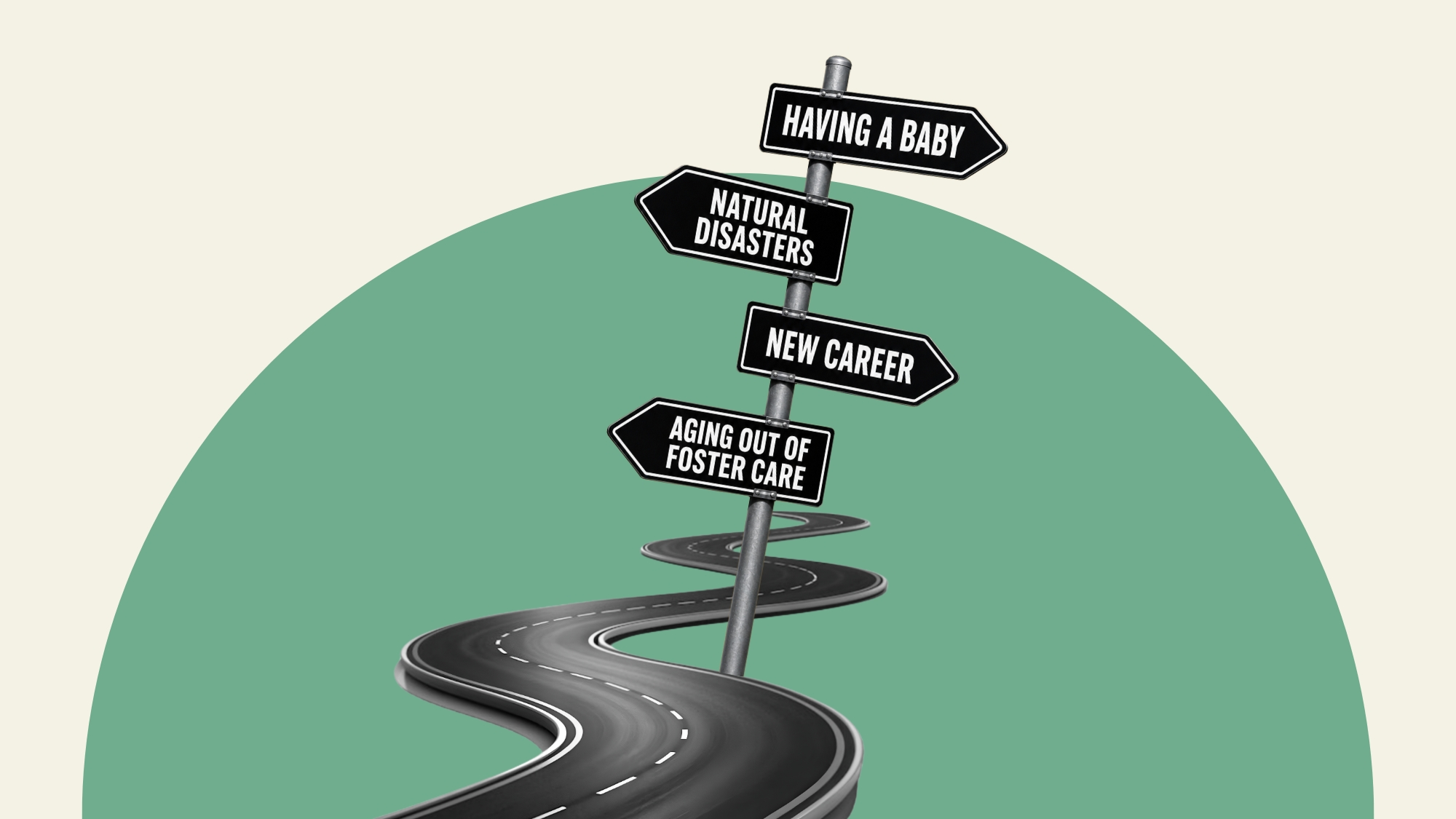
In this world where work remains an important social, psychological and economic anchor, there are better tools to help than giving every American a monthly check.
Universal Basic Income Is Silicon Valley’s Latest Scam
The plan is no gift to the masses, but a tool for our further enslavement
My own private basic income
One person’s experience becoming a business owner shows how our economy is based on luck rather than merit and how it rewards people who own stuff rather than people who do stuff.
Americans Want to Believe Jobs Are the Solution to Poverty. They’re Not. (Published 2018)
U.S. unemployment is down and jobs are going unfilled. But for people without much education, the real question is: Do those jobs pay enough to live on?


The Monsters, Inc. Argument for Unconditional Basic Income
How to convert an economy based on fear to one based on joy

013 - Olivier De Schutter on Why the Economy Creates Poverty – and How To Fix It
Moving Forward on Basic Income | Y Combinator
We have a few updates we want to share on our Basic Income Project [https://ycombinator.wpengine.com/basic-income]: Our Research Director Elizabeth Rhodes is joining Basic Income Project as our Research Director. She recently completed a joint PhD in Social Work and Political Science at the University of Michigan, where her research focused on health and education provision in slum communities in Nairobi. We received over 1000 applications for this position (including tenured professors from
Why The Rich Think The Poor Are Lazy
The Future of Not Working (Published 2017)
As automation reduces the need for human labor, some Silicon Valley executives think a universal income will be the answer — and the beta test is happening in Kenya.

Beyond GDP: Measuring and Valuing What Really Matters
Rethinking the UN’s “beyond GDP” agenda and the case for putting wealth at the centre
EA is worse than traditional philanthropy in the way it excludes we the poor.
Effective altruism is worse than traditional philanthropy in the way it excludes the extreme poor in the global south. By Anthony Kalulu @KaluluAnthony | December 3, 2022: —- I have spent the vast portion of my life in ultra poverty. My region Busoga, is also Uganda’s most impoverished, yet Uganda itself is among the poorest countries … Continue reading ""

The Paradox of Redistribution and Strategies of Equality: Welfare State Institutions, Inequality, and Poverty in the Western Countries
Debates on how to reduce poverty and inequality have focused on two controversial questions: Should social policies be targeted to low-income groups or be universal? Should benefits be equal for all or earnings-related? Traditional arguments in favor of targeting and flat-rate benefits, focusing on the distribution of the money actually transferred, neglect three policy-relevant considerations: (1) The size of redistributive budgets is not fixed but reflects the structure of welfare state institutions. (2) A trade-off exists between the degree of low-income targeting and the size of redistributive budgets. (3) Outcomes of market-based distribution are often more unequal than those of earnings-related social insurance programs. We argue that social insurance institutions are of central importance for redistributive outcomes. Using new data, our comparative analyses of the effects of different institutional types of welfare states on poverty and inequality indicate that institutional differences lead to unexpected outcomes and generate the paradox of redistribution: The more we target benefits at the poor and the more concerned we are with creating equality via equal public transfers to all, the less likely we are to reduce poverty and inequality.
What I Learned From Building An App For Low-Income Americans - Fast Company
The brief was simple: build a tech product for low-income American households. It wasn’t simple at all.

Preface | The World After Capital
Since publishing the previous version of The World After Capital, I have met with people across the political spectrum to discuss the ideas from the book. When I present these in person, I emphasize that the ideas are neither left nor right but forward (credit to Scott Santens who first used this phrase about Universal Basic Income). My writing, however, at times has alienated readers who identify as being more on the right. In this new edition, I am therefore making an extra effort to emphasize how both my diagnosis of where we are at and my suggestions for how to move forward do not map onto the existing political divides. Instead this is a new way of understanding our challenges and opportunities that can be the basis for movements and parties that are not trapped in Industrial Age ideology.
Money for mutual resilience: Introducing Blacksky Cash
Mutual aid has always been about more than money. But money, shared intentionally, can be a powerful expression of solidarity. This is us building toward that future.
Right on Time: How Cash Helps Families Move Through Life's Transitions - Economic Security Project
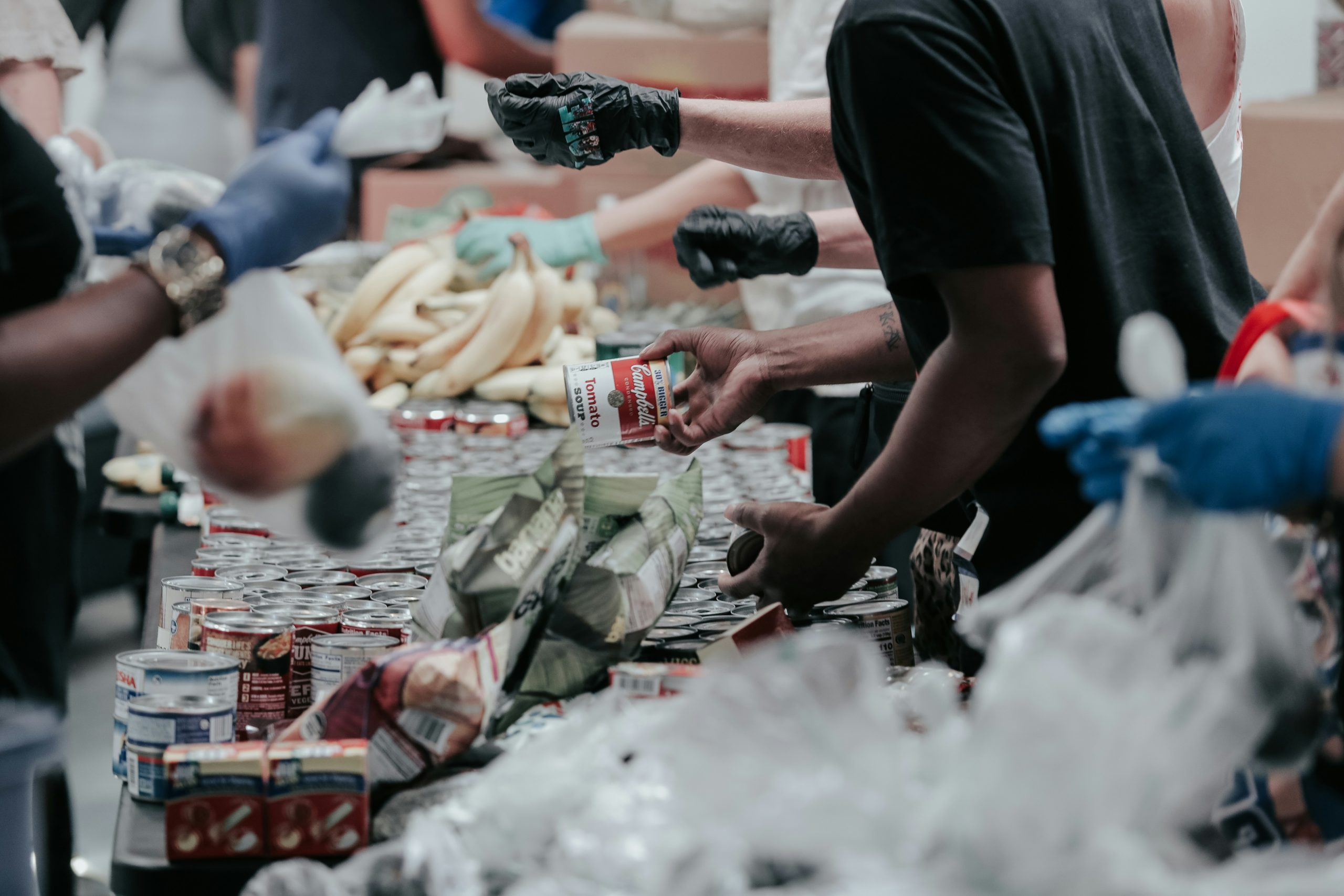
Executive Summary Over the past decade, more than 250 guaranteed income pilots, programs that provide people with regular cash with no restrictions on how they use it, have run across 40 states and the District of Columbia. That research has revealed many learnings, and this report focuses on one clear takeaway: cash has its largest…