


The percentage of families earning middle-class incomes fell in nearly nine out of 10 major metro areas across the country between 2000 and 2014, according to new research by the Pew Research Center. Here we take a look at the 100 metro areas with the sharpest decline in the percentage of people in the middle class.
The Tipping Point: Most Americans No Longer Are Middle Class
In the post-World War II economy, most Americans lived in middle-income homes. But that has been shifting for decades. Today, middle-income families make up less than 50 percent of all households.

Young Households Are Losing Ground in Income, Despite Education (Published 2014)
The Fed’s 2013 Survey of Consumer Finances indicates that the median family headed by someone under 35 was paid less, in inflation-adjusted dollars, than a similar family in 1989.

A 26-year-old MIT graduate is turning heads over his theory that income inequality is actually…
Wealthy tech founders and the automation of middle-class jobs are often blamed for increasingly concentrations of wealth in the 1%. But, a…

Wealth of people in their 30s has 'halved in a decade'
People in their early 30s are "half as wealthy" as those now in their 40s were at the same age, a report by the Institute for Fiscal Studies finds.

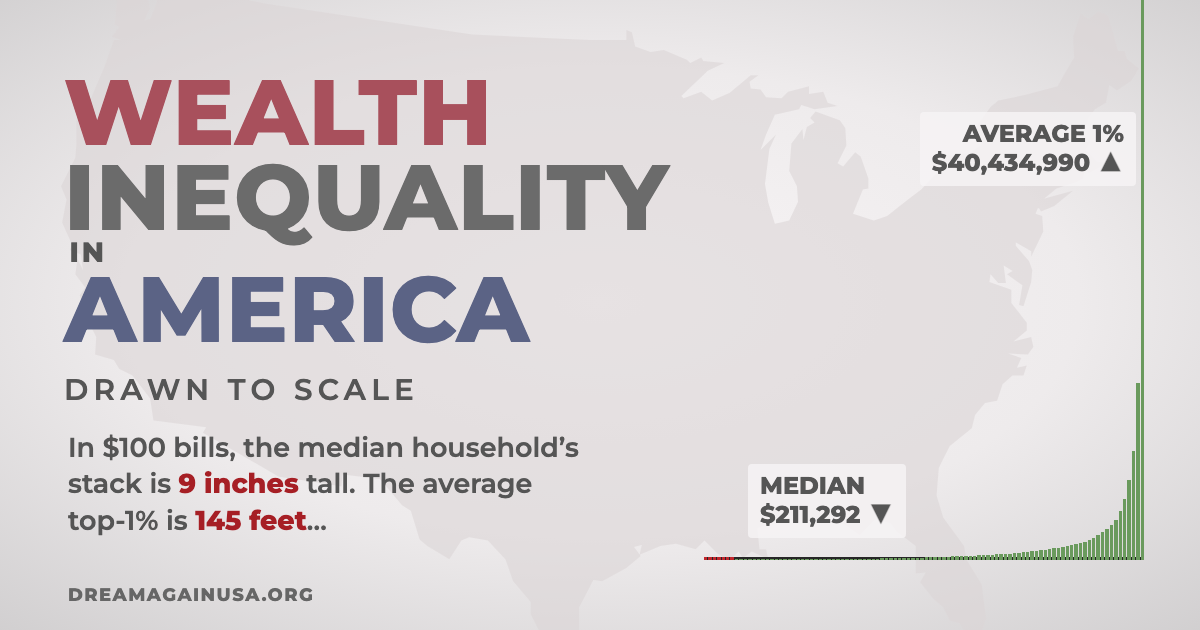
The Climb: Wealth Inequality in America, to scale
Picture U.S. wealth as stacks of $100 bills: the median household’s is about 9 inches tall. The average top-1% household’s is 145 feet, and it keeps getting taller and taller…
Opinion | The Rich Really Do Pay Lower Taxes Than You (Published 2019)
The 400 wealthiest Americans now pay a lower rate than the middle class.

Why birth rates are falling everywhere all at once
Homes and phones are part of the reason for the demographic shift changing our world

The Housing Shortage Is a Major Driver of Poverty
Housing costs are usually the largest item in a household’s budget and can determine a family’s financial stability.
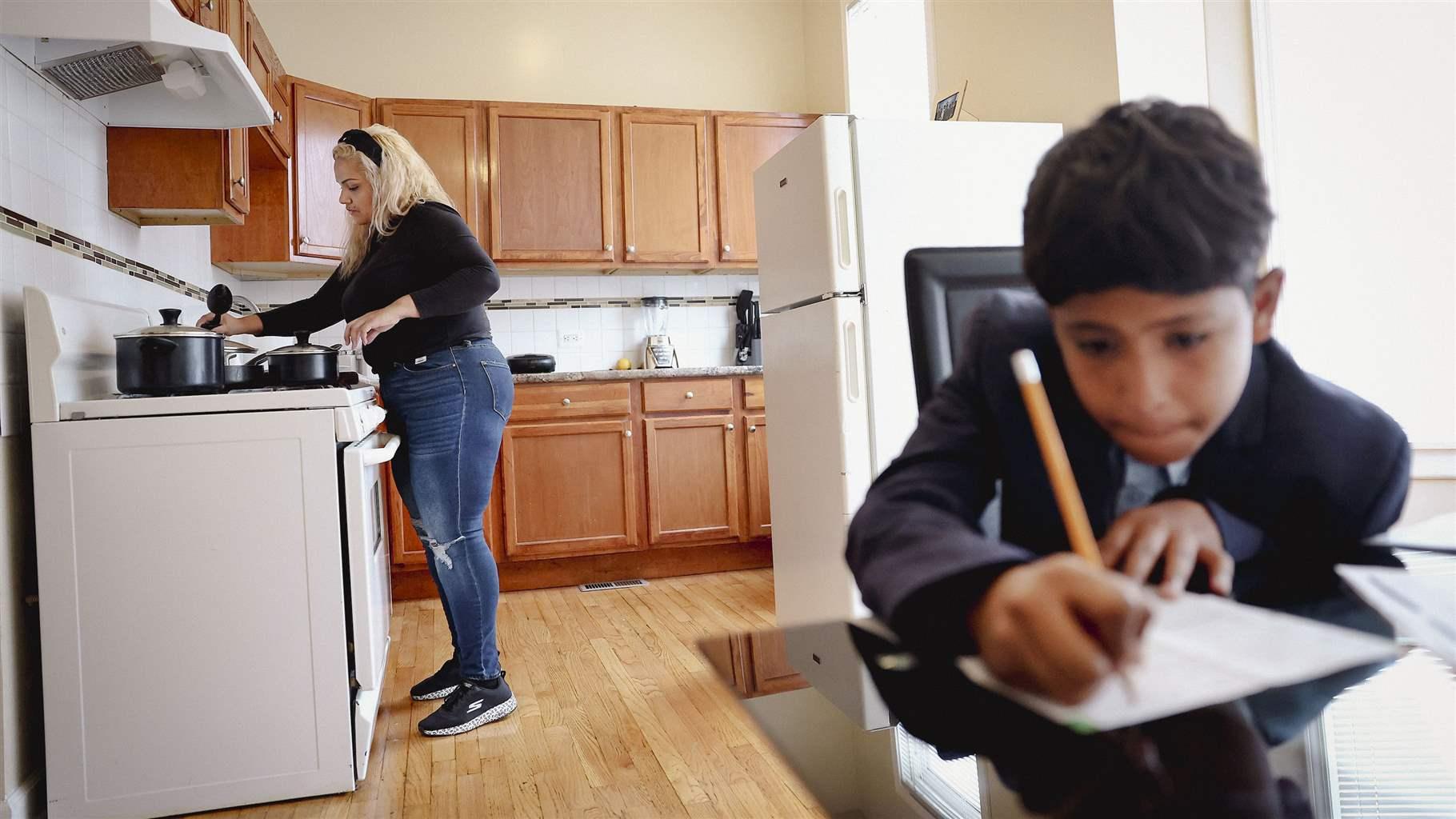
The Top 1% of Americans Have Taken $50 Trillion From the Bottom 90%—And That's Made the U.S. Less Secure
A report shows that a $50 trillion redistribution of income to benefit the richest has made America less healthy, resilient, and secure

Pluralistic: The housing crisis considered as an income crisis (24 Oct 2024) – Pluralistic: Daily links from Cory Doctorow
A paradox: in 1970, everyday Americans found it relatively easy to afford a house, and the average American house cost 5.9x the average American income. In 2024, Americans find it nearly impossible to afford a house, and the average American house costs…5.9x the average American income.
Americans’ Social Activity Has Steeply Declined in the Past 30 Years
Our survey finds significant, double-digit declines in Americans’ participation in key social activities from 1995 to 2026.

New Capitalism II: Compositional vs income inequality
Are all class-based societies unequal?
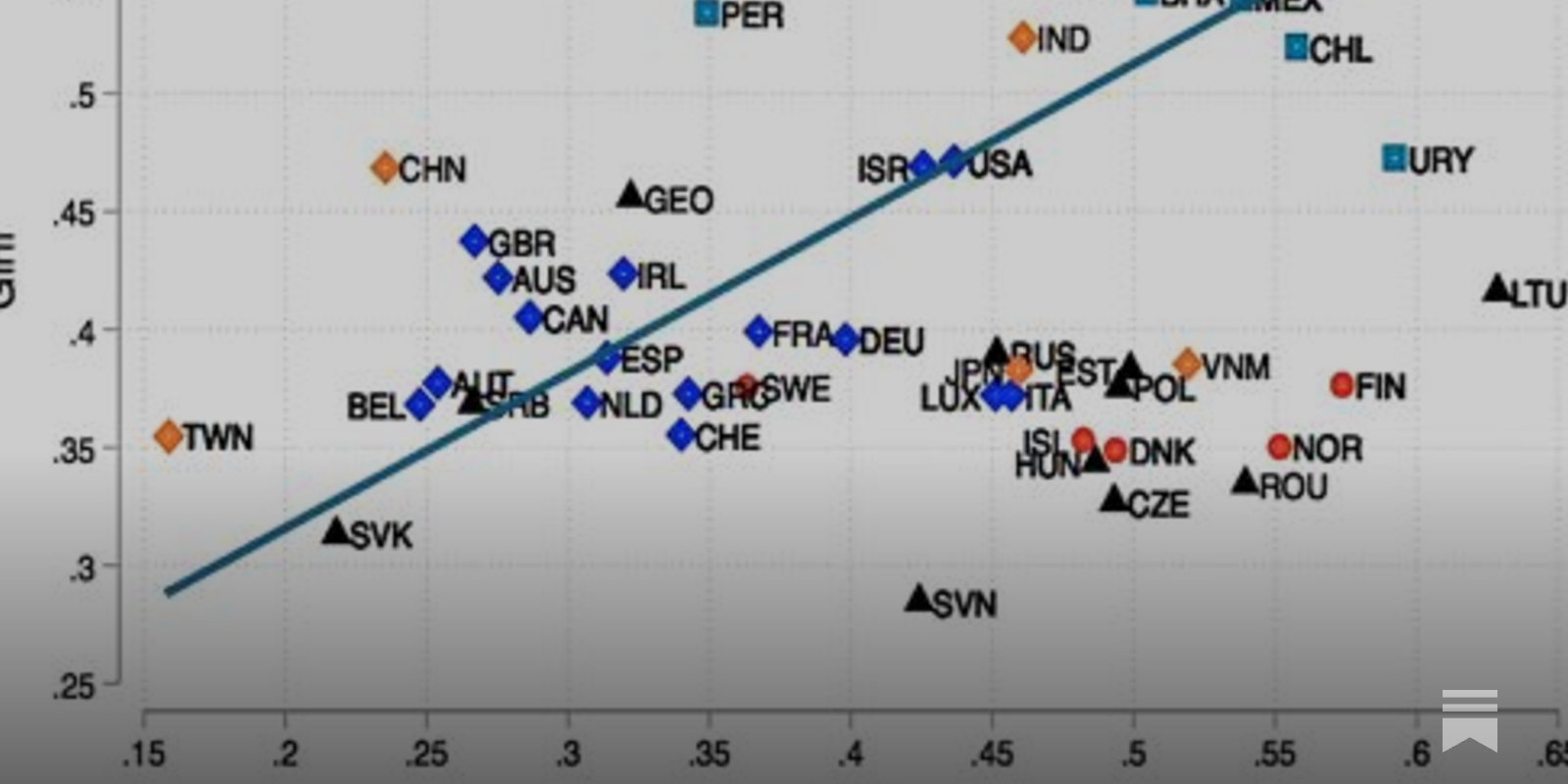
The housing theory of everything - Works in Progress Magazine
Western housing shortages drive inequality, climate change, low productivity growth, obesity, and even falling fertility rates.

Poverty hits 456,000 Western Australians as housing costs deepen hardship | News at Curtin
An estimated 456,000 Western Australians, including almost 99,000 children, are living in poverty in 2026 as rising housing costs and inadequate household i ...
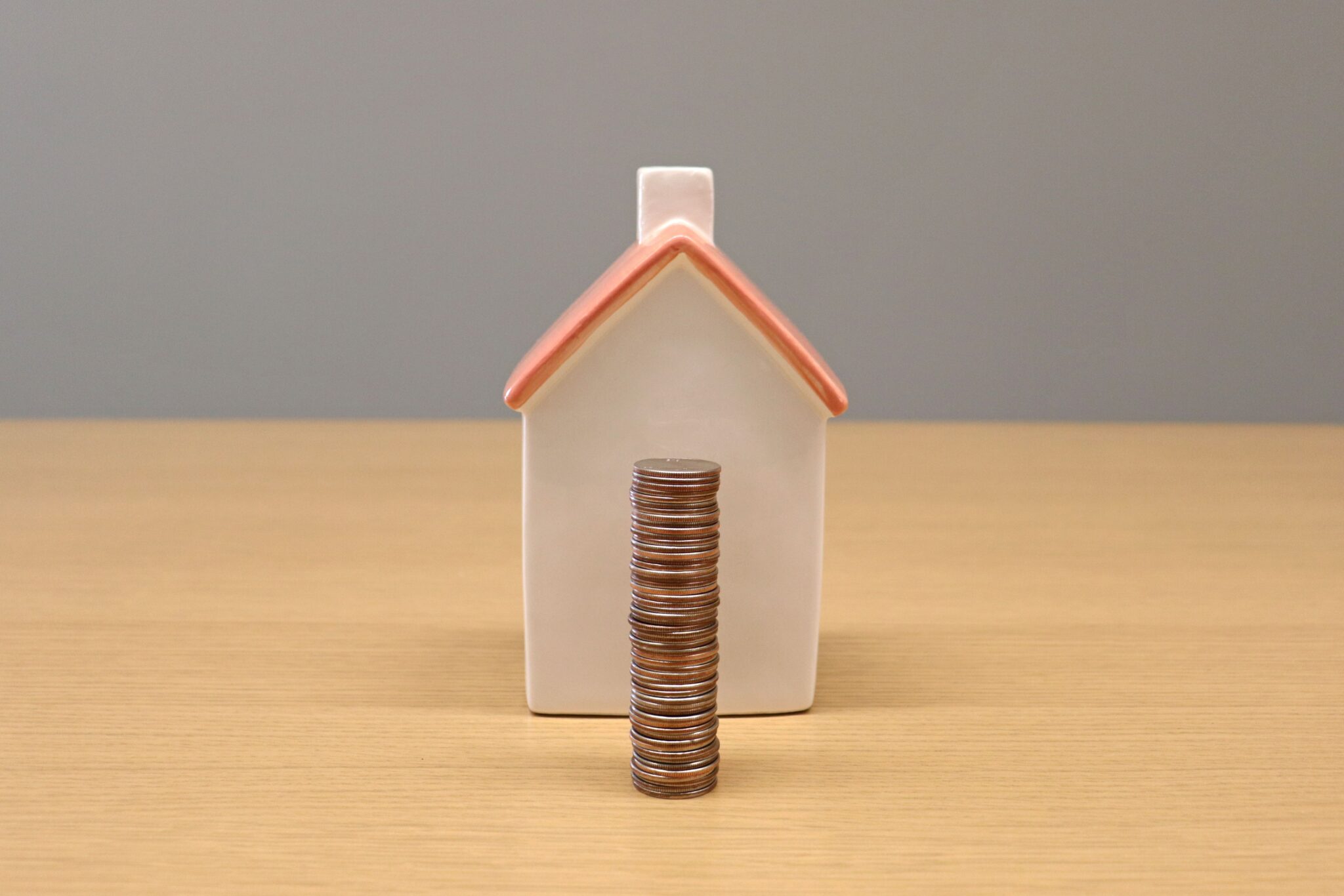
Communities Across the Nation Want to Add Housing. Which Metropolitan Areas Are Adding the Most?
Between 2020 and 2025, four Texas metropolitan areas—Austin, Dallas, Houston, and San Antonio—accounted for 13.3 percent of total US housing supply growth.

A Relentless Widening of Disparity in Wealth (Published 2014)
The economic forces concentrating more and more wealth into the hands of the fortunate few are almost sure to prevail for a long time, according to a new book by the economist Thomas Piketty.
