February 2009One of the things I always tell startups is a principle I learned from Paul Buchheit: it's better to make a few people really happy than to make a lot of people semi-happy. I was saying recently to a reporter that if I could only tell startups 10 things, this would be one of them. Then I thought: what would the other 9 be?When I made the list there turned out to be 13:
Startup Mistakes: First-Hand Lessons from 80+ Failed Startups
We've analyzed why +80 startups have failed and identified some of their common mistakes. Here're our findings!
When To Join A Startup
<p>Something has changed in the last few years which has made an increasing number of people want to join startups. It seemed to start around ...

Build the thing you wish to see in the world
For most of my career, I've been confusing building products with building businesses—and that confusion kept me from pursuing a lot of ideas. Two weeks off helped me realize that not everything needs to be a startup, and some of the best things we build are the ones we build just because we want them to exist.
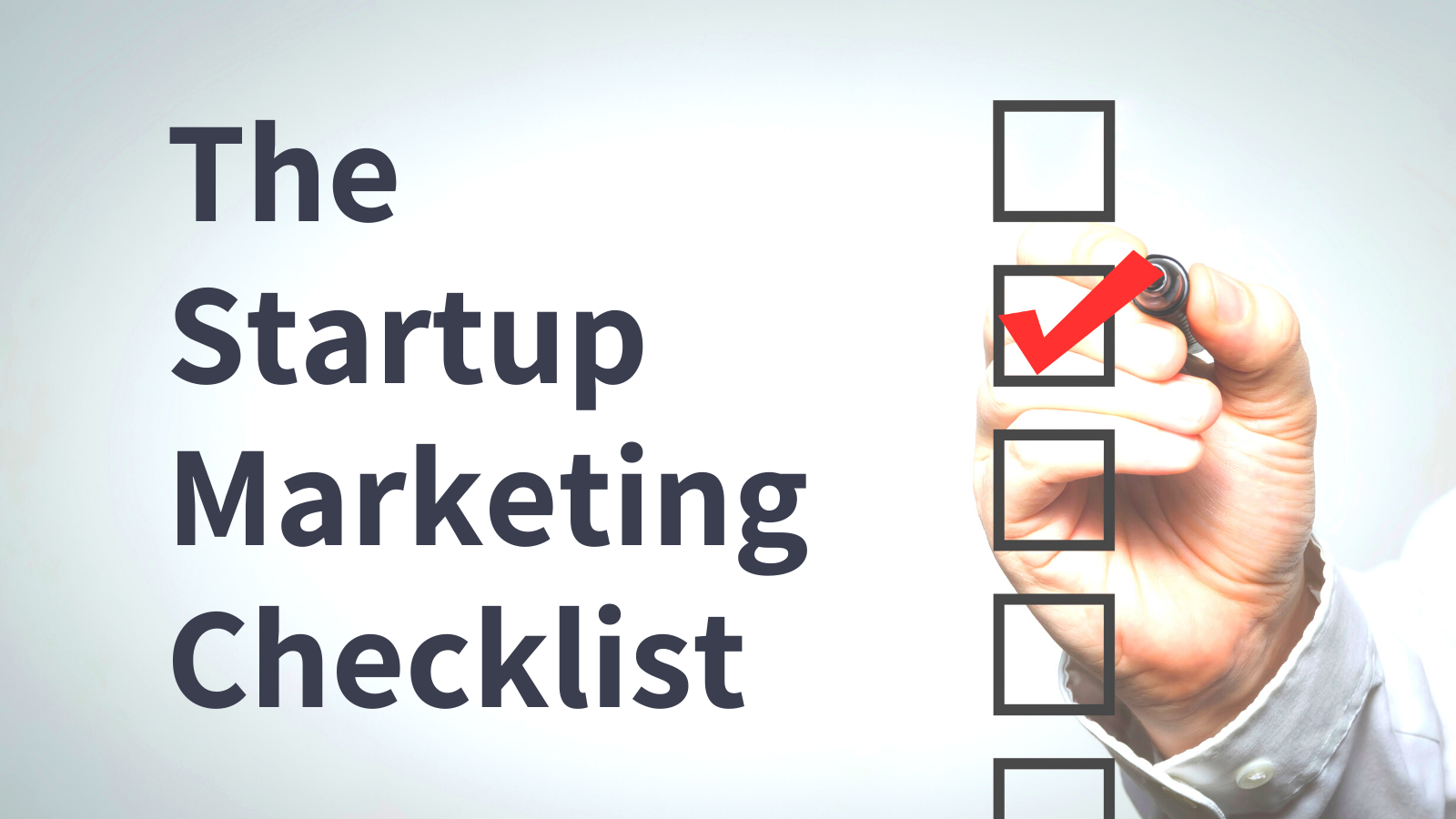
The Startup Marketing Checklist
I tried dozens of side projects before starting Draft.dev, and now I’ve worked with hundreds of early-stage startups and established enterprises to help with growth marketing. So, a lot of founders ask me how to get started in marketing when your marketing budget is small and your product is new. I created this list to […]
Before You Grow | Y Combinator
Startups are defined by growth [http://www.paulgraham.com/growth.html], but growth isn’t step one in building a great company. If you focus on trying to grow before you make a product people love, you are unlikely to succeed. We’ve said this before, but it’s worth repeating–many founders hurt their companies by focusing on growth too soon. I’m not saying don’t grow at all–getting people to use your product, even in its earliest form, will help you better understand what your customers want. Bu
Startup idea checklist
I’ve been tinkering with different startup ideas and needed a good checklist to think through them. There are great templates for this already: The YC application, Amazon’s internal press release, and Sequoia’s Writing a Business Plan. I found myself mixing and tweaking these templates because they don’t exactly match my model of the world, so I wrote up my own list.
Indie Startups - Neil Thanedar
10 years ago, my entrepreneurial goal was to raise $100M+ and make one $1B+ startup. Now my goal is to 100% own many $1M+ startups.

How Bad Entrepreneurs Reveal Themselves in the First 5 Seconds of a Pitch
A few simple words is all it takes to figure out a founder’s odds of startup success.
Idea Generation
The most common question prospective startup founders ask is how to get ideas for startups. The second most common question is if you have any ideas for their startup. But giving founders an idea...
7 Startup Agreements That Save Companies (and Friendships) | Signus
Founder blowups and cap-table surprises are mostly preventable. A focused seven-document set—Founders Agreement, SAFE (Post-Money), Mutual NDA, Independent Contractor Agreement, Advisory Agreement, Consulting Agreement, and PIIA—closes the early gaps that orphan IP, muddle equity, and stall deals. Right-size what you send; use the subset that fits the moment. Clarity beats memory.

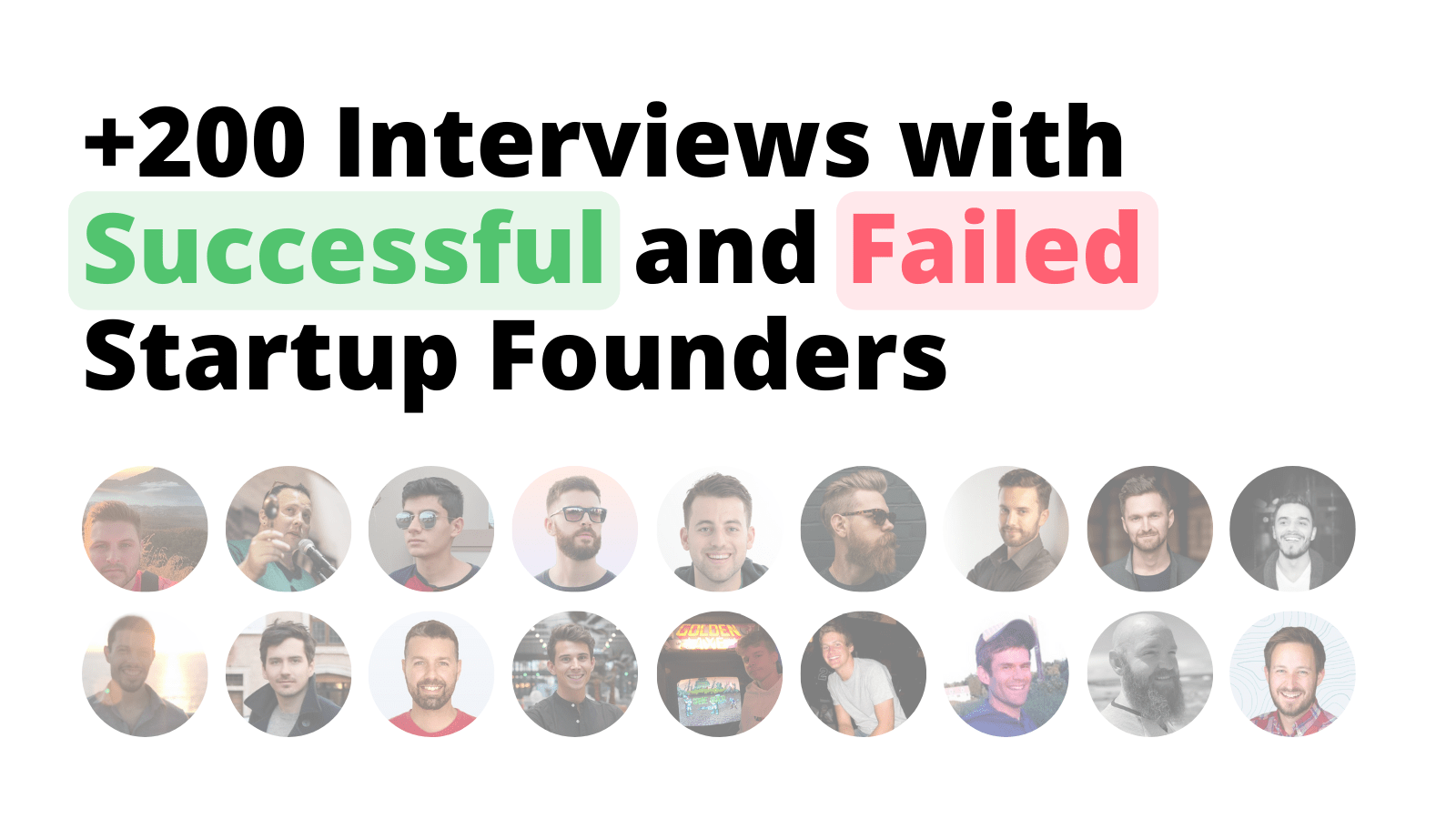
Interviews with Failed & Successful Startup Founders
+200 interviews with the brains behind shut down and active startups. Learn from their wins and their mistakes and become a better founder.
9 signs that your business idea will probably fail - Dan Norris
After 14 years running my own businesses, I’ve failed a lot. I haven’t kept count thankfully, but I’d say I’ve started at least 50 businesses / ideas and out of those, 3 have worked. And when I say worked I don’t mean staying in business, I mean resulting in either a decent income for me […]

All Things Sales! 16 Mini-Lessons for Startup Founders | Andreessen Horowitz
As a former CEO and software engineer (Citrix, XenSource, VERITAS, etc.), board member of GitHub (recently acquired by Microsoft), and lecturer in management at the Stanford Graduate School of Busines, a16z general partner Peter Levine is constantly asked “Why sales?” by entrepreneurs and technical founders. He himself used to hold the “engineer-centric” view that if...
When to Fold: The Cost of Failing Slow in a Startup
Failing Slow: Why One Founder Regretted Keeping His Startup Alive