An exclusive interview with Edward Snowden.
Transcript of Edward Snowden's comments at IETF93.
Transcript of Edward Snowden's comments at IETF93. · GitHub

Permanent record
"In 2013, twenty-nine-year-old Edward Snowden shocked the world when he broke with the American intelligence establishment and revealed that the United States government was secretly pursuing the means to collect every single phone call, text message, and email. The result would be an unprecedented system of mass surveillance with the ability to pry into the private lives of every person on Earth. Six years later, Snowden reveals how he helped to build this system and why he was moved to expose it. Spanning the bucolic Beltway suburbs of his childhood and the clandestine CIA and NSA postings of his adulthood, Permanent Record is the account of a bright young man who grew up online - a man who became a spy, a whistleblower, and, in exile, the Internet's conscience."--Jacket

Edward Snowden: The Untold Story
“Change in plans,” my contact says. “Be in the lobby of the Hotel \_\_\_\_\_\_ by 1 pm. Bring a book and wait for ES to find you.”
The hacker crackdown: law and disorder on the electronic frontier
A journalist investigates the past, present, and future…
Former CIA Officer: President Obama Should Pardon Edward Snowden
He let Americans evaluate omniscient domestic surveillance for themselves
The Ex-Google Hacker Taking on the World's Spy Agencies
Morgan Marquis-Boire is the director of security for First Look Media, the most prolific publisher of Edward Snowden's remaining secrets. His daunting task is to safeguard those documents, as well as the communications of reporters with perhaps the press's most adversarial relationships with Western intelligence agencies.

The Hacker and the State: Cyber Attacks and the New Nor…
Packed with insider information based on interviews, de…
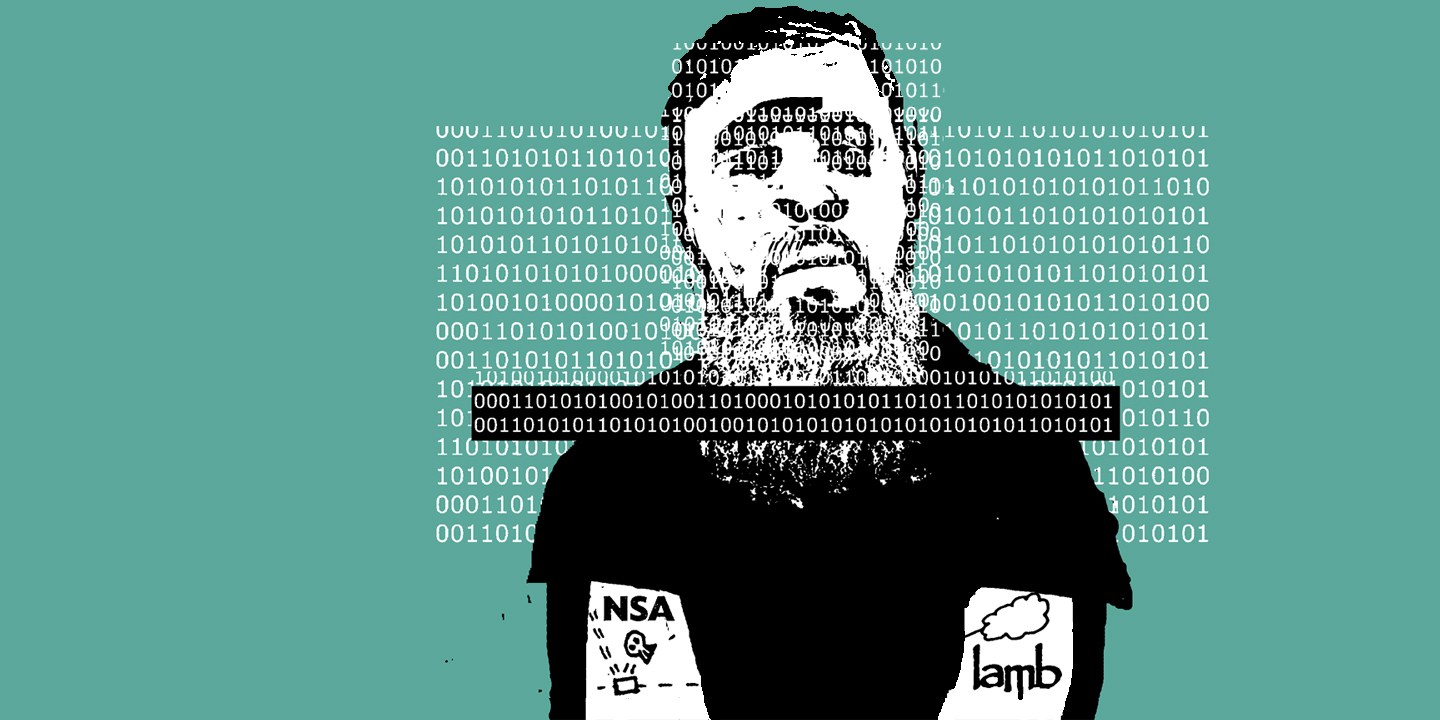
He Was a Hacker for the NSA and He Was Willing to Talk. I Was Willing to Listen.
Redirecting internet traffic from entire countries was one of the "ridiculously cool" projects undertaken by an NSA hacker who spoke with The Intercept.
We Shouldn’t Wait Another Fifteen Years for a Conversation About
With high-profile hacks in the headlines and government officials trying to reopen a long-settled debate about encryption, information security has become a mainstream issue. But we feel that one
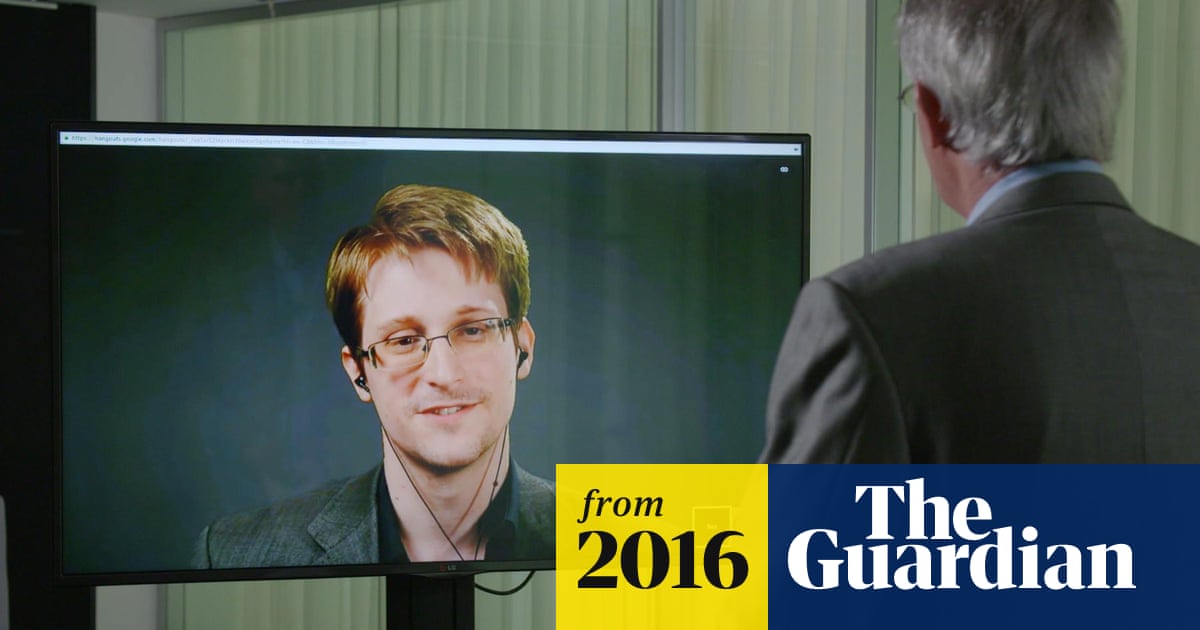
Edward Snowden makes 'moral' case for presidential pardon
Exclusive: Whistleblower says citizens have benefited from his disclosure in 2013 of US and UK government surveillance
What happened to the fight for the Internet? -- Dustycloud Brainstorms
At the moment I am writing this, bad internet bills are being proposed across the US, Canada, Europe, and the UK. They're using the usual tactics: they claim they're fighting for kids or fighting security risks, but in general, that's what surveillance and censorship bills have always claimed.
Someone Is Learning How to Take Down the Internet
Over the past year or two, someone has been probing the defenses of the companies that run critical pieces of the Internet. These probes take the form of precisely
How 9/11 changed the way America surveils its citizens • Stateline
The terrorist attacks of Sept. 11, 2001, transformed how American intelligence and law enforcement agencies collect, share and analyze information. Twenty-five years later, that infrastructure has merged with a digital world capable of generating vast amounts of data about Americans — and artificial intelligence is making it easier to connect and analyze that information. The result is a surveillance system far more powerful than anything imaginable in 2001, raising new questions about privacy, policing and civil liberties.

What Was the Internet?
As AI overtakes the web, five writers reflect on how far it’s fallen and what comes next.

What Was the Internet?
As AI overtakes the web, five writers reflect on how far it’s fallen and what comes next.
Privacy under attack: the NSA files revealed new threats to democracy
We now know the apparatus of repression has been attached to the democratic state, but our struggle for privacy is far from hopeless. By Eben Moglen