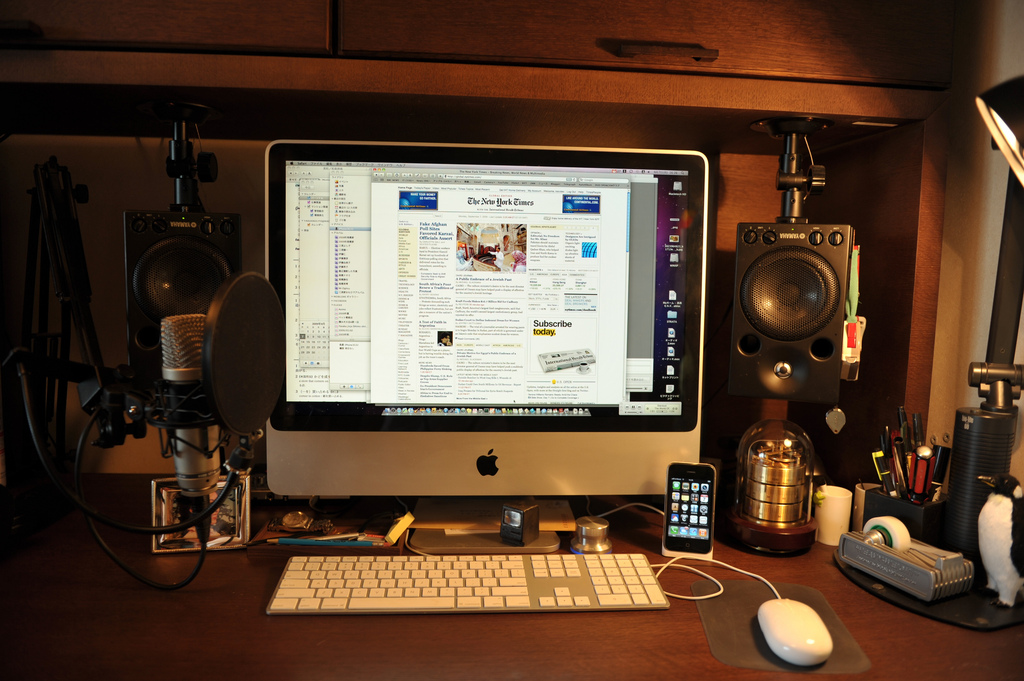
Even a cursory look at the social, environmental, and economic impacts of working from home indicates that even more people could and should be.
What the Future of Working at Home May Look Like
Innovative home designs find ways to combine living and work spaces

Home - ClimateAction.Tech
The climate crisis is happening all around us. As tech workers, we can use our skills to take and accelerate climate action.

The housing theory of everything - Works in Progress Magazine
Western housing shortages drive inequality, climate change, low productivity growth, obesity, and even falling fertility rates.

Working from Home and Phatic Communication
Working from home, being what’s called a remote worker, is a really fascinating frontier of Work. It’s fascinating both because as a paradigm, it creates new challenges, and it also mak…

Remote Work Productivity Study: Surprising Findings From a 4-Year Analysis
Explore key findings from a longitudinal remote work productivity study. Learn how working from home impacts performance and why productivity remains strong.

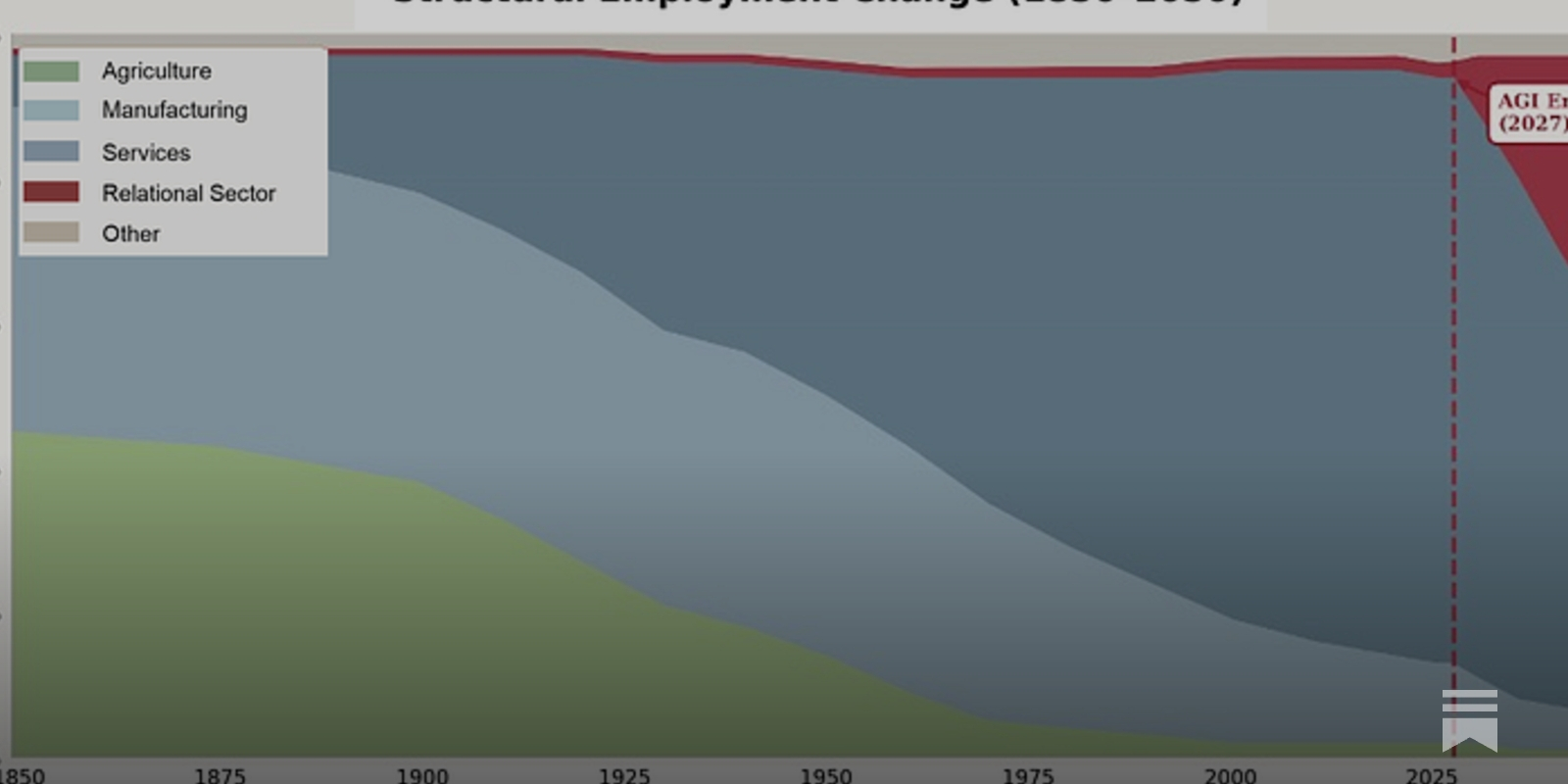
What will be scarce?
The economics of structural change and the post-commodity future of work
Why working fewer hours would make us more productive
A shorter working week could improve our mental and physical health and even mitigate climate change, research shows

It's the 21st century – why are we working so much? | Owen Hatherley
Owen Hatherley: The right calls for hard work, the left for more jobs. The dream of mechanisation leading to shorter working hours seems forgotten

'My father had one job in his life, I've had six in mine, my kids will have six at the same time'
In the ‘gig’ or ‘sharing’ economy, technology will release you from the nine to five. But it may also bring you anxiety, insecurity and low wages

Why I work remotely (hint: it has nothing to do with productivity).
Illustration by Nate Otto These are some of the things I can do because I’m fortunate to work for a company that lets me work from anywhere: Hug my kids and feed them breakfast before they lea…

In 2026, I’m no longer interested in ‘working on myself’
We think of ourselves as full-time projects, but what if doing so much inner work does more harm than good?

The Good, the Bad and the Ugly of Remote Work (After 5 Years of Experience)
Learning about working from home and location independent lifestyle was a true pivotal moment for me. Before that, I didn’t think much about the concept of “freedom at work” or anything like that. And even though the concept was a bit far-fetched for me at the time, I realized that it surely was something that I would… Read More »The Good, the Bad and the Ugly of Remote Work (After 5 Years of Experience)

Home | Hypha
We cultivate collective growth and meaningful livelihoods through learning and building technologies together.

Home
Solidarity Infrastructures is a class that brings together creative practitioners from respective communities to investigate, strategize, upskill, and dream toward alternative socio-technological systems.
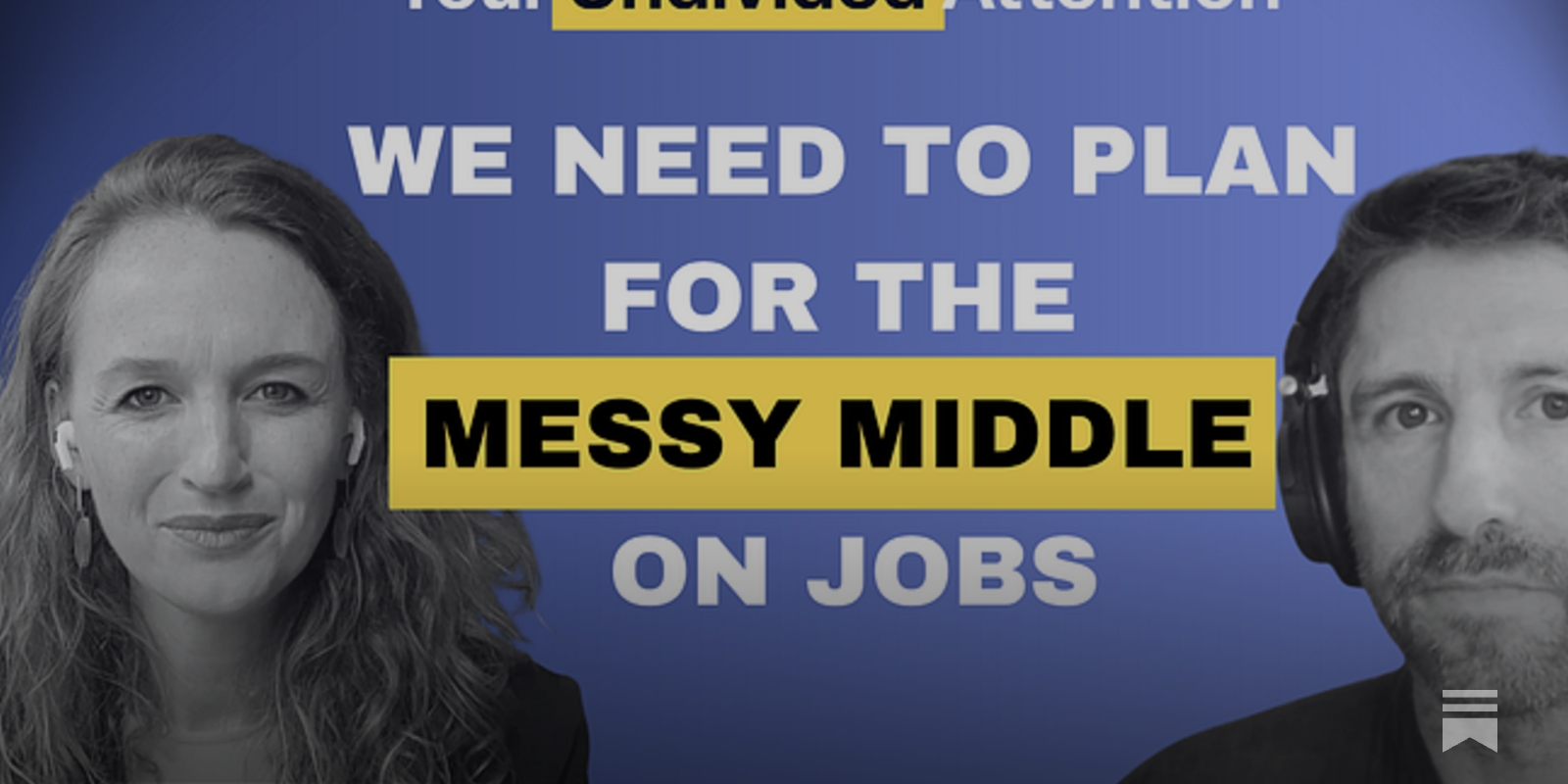
Enough Debate about the AI Jobpocalypse. We Need To Plan for the Messy Middle.
Caught between arguments of abundance and apocalypse, economist Molly Kinder explores what workers can expect in the near future — and what we can do about it.
Homebound: The Long-Term Rise in Time Spent at Home Among U.S. Adults
The changes in daily life induced by the COVID-19 pandemic brought renewed attention to longstanding concerns about social isolation in the United States. Despite the links between the physical setting for individuals' daily lives and their connections with family, friends, and the various institutions of collective life, trends in where American adults spend their time have been largely overlooked as researchers have focused on how and with whom they spend their time. This article analyzes data from the American Time Use Survey over a timeframe spanning nineteen years and argues that the changes in Americans' daily routines induced by the COVID era should be seen as an acceleration of a longer-term trend: the rise of time spent at home. Results show that from 2003 to 2022, average time spent at home among American adults has risen by one hour and 39 minutes in a typical day. Time at home has risen for every subset of the population and for virtually all activities. Preliminary analysis indicates that time at home is associated with lower levels of happiness and less meaning, suggesting the need for enhanced empirical attention to this major shift in the setting of American life.