

41K subscribers in the soylent community. Resources, links, experiences, and relevant news dealing with engineered staple foods including but not…
SupermealX, India’s Soylent, May Be Nutritious, but Will It Make the World a Better Place? (Published 2015)
An Indian fitness entrepreneur has made his own version of the meal-replacement potion Soylent. The question is whether India’s poor will want to consume it.

People get “violently ill” from Soylent bars; company stumped
Online forums link bars to food poisoning, but maker suggests soy intolerance.
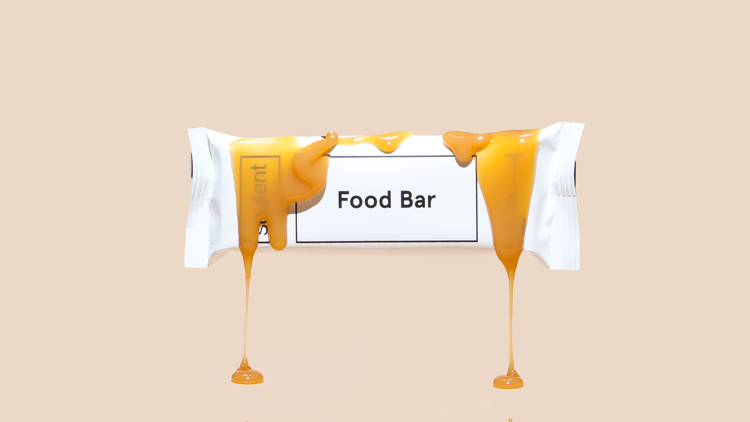
This study 40 years ago could have reshaped the American diet. But it was never fully published.
A fuller accounting of the results of a massive government-funded experiment on fatty foods challenges the conventional advice about what is healthy, and what is not.

The psychology of Soylent and the prison of first-world food choices
Why are some repulsed by Soylent, but others desperate to receive their orders?
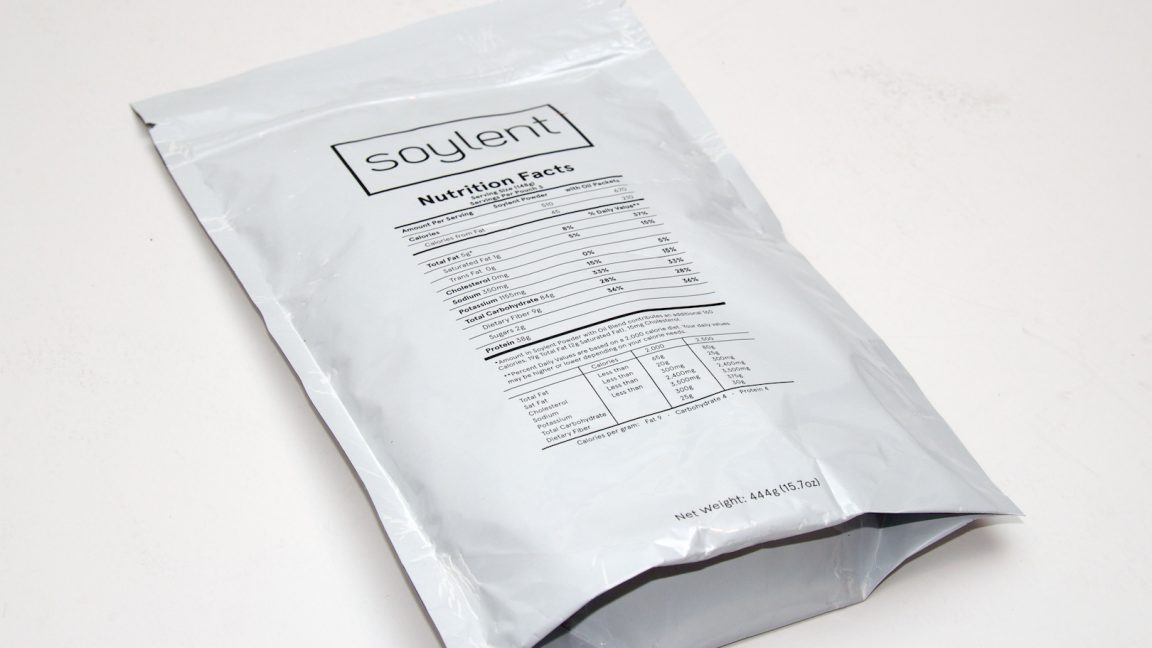
Op-ed: How I gave up alternating current
Soylent founder Rob Rhinehart shares his thoughts on extreme sustainability.

Open Food Facts - world
A collaborative, free and open database of ingredients, nutrition facts and information on food products from around the world

Open Food Facts - world
A collaborative, free and open database of ingredients, nutrition facts and information on food products from around the world
Examine.com
Examine simplifies nutrition and supplementation — through meticulous analysis of the latest scientific research — to help answer your questions on how to be healthier.
Open-sourced food production – the future of urban diets?
Scientists are developing open-source technologies that reward locally grown foods, cutting down on shipping and improving nutrition
A contributory citizen science project reveals the impact of dietary keys to microbiome health in Spain
Low consumption of whole grains, fruits, and vegetables has been identified as dietary risks for non-communicable diseases such as inflammatory bowel diseases (IBDs). We explore how individual and lifestyle factors influence these risks by shaping gut microbiome composition. 1001 healthy participants from all Spanish regions provided personal and dietary data at baseline, six, and twelve months, yielding 2475 responses. Gut microbiome data were analyzed for 500 healthy participants and 321 IBD patients. Our findings reveal that adherence to national dietary guidelines—characterized by diets rich in nuts, seeds, fruits, and vegetables—was associated with greater microbial diversity and reduced IBD-related dysbiosis. Finally, we observed variations in dietary patterns and microbiome diversity and composition across age groups, genders, regions, seasons, and transit time. This study is among the first to uncover dietary intake associated with IBD-related dysbiosis and to propose an interactive website for participants (https://manichanh.vhir.org/POP/en).

Open Food Facts
A collaborative, free and open database of ingredients, nutrition facts and information on food products from around the world
Annual Reports | CAA
For archived content, please refer to the National Diet Library's Web Archiving Project (WARP).
8 things to know about the gut microbiome and keeping yours healthy
Wellness influencers often talk about fixing a broken gut microbiome. And marketers sell tests and supplements to fix your gut health. Here's what what the evidence really shows about gut health.

Newly disclosed court documents included Monsanto’s internal emails and email traffic between the company and federal regulators. The records suggested that Monsanto had ghostwritten research that was later attributed to scientists.
5.1K subscribers in the FoodSovereignty community. This subreddit is for sharing content related to Food Sovereignty, Food Security, and Indigenous…

Simple Rules for Healthy Eating (Published 2015)
There’s a lot of advice out there about what kinds of food you should be avoiding. Here’s a more positive approach.

Is Organic More Nutritious? New Study Adds To The Evidence
Organic dairy and meat contain significantly more omega-3s than their conventional counterparts, a huge new study finds. It's the latest research to show organic production can boost key nutrients.
