An evolutionary biologist explains why everything you think you know about cavemen (and their diet) is wrong
Canadian team confirms presence of huge unexplored cave in British Columbia
Cave in Wells Gray Provincial Park described as “about as big as they come in Canada”

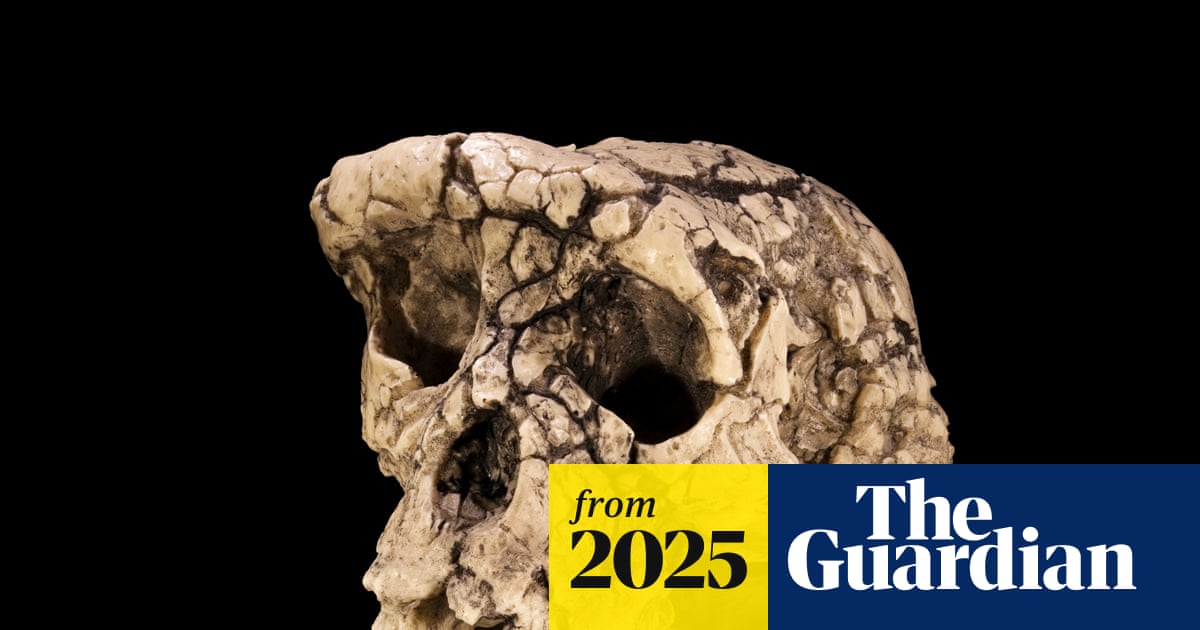
The curse of Toumaï: an ancient skull, a disputed femur and a bitter feud over humanity’s origins
The long read: When fossilised remains were discovered in the Djurab desert in 2001, they were hailed as radically rewriting the history of our species. But not everyone was convinced – and the bitter argument that followed has consumed the lives of scholars ever since
Investigating ancient human DNA preservation on cave walls and in rock art
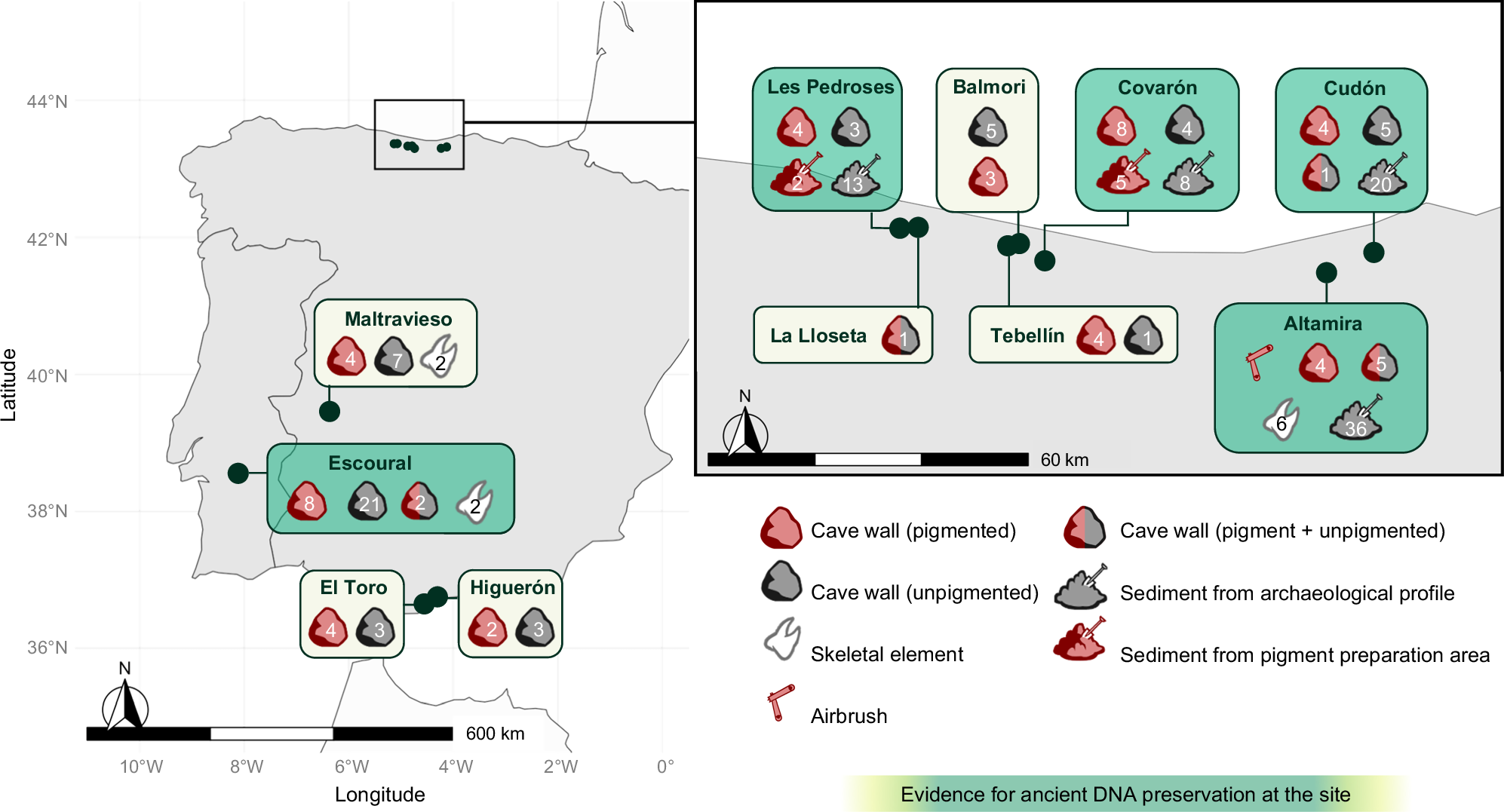
Previous efforts to link Palaeolithic cultural records to specific populations through DNA analysis have focused on materials from archaeological floor deposits such as bones, sediments, and artefacts. In this study, we explore whether rock art, a spatially distinct expression of human activity, can also preserve DNA traces from its creators. We analyse DNA preservation in pigment samples collected in and around 24 rock art panels from 11 caves across Spain and Portugal, including simple marks (from nine sites), hand stencils (Maltravieso Cave, Extremadura, Spain), and figurative paintings (Cave of Altamira, Cantabria, Spain). We recover traces of ancient human mitochondrial and nuclear DNA, unaccompanied by faunal DNA, from a pigmented calcite crust at Escoural Cave (Portugal), as well as from an unpigmented cave wall sample from the same site. The absence of faunal DNA in both samples suggests direct DNA deposition through human contact. In contrast, three additional unpigmented samples, from Escoural and Covarón Cave (Asturias, Spain), yielded mixtures of human and faunal DNA, suggesting indirect deposition. Although our results do not conclusively link ancient human DNA preservation to the generation of cave art, we show that traces of human DNA can persist on cave walls for thousands of years.
Makapansgat pebble
The Makapansgat pebble or Makapansgat cobble is a carved jasper pebble with clear markings of a crude rendition of a human face, in fact at least two possible faces. The stone's chemical makeup prevents natural weathering effects to render both blastomic metapmorphis and shape erosion at the time of formation, even if all surfaces were polished naturally afterwards which indicates the requirement for foreign biological intervention. Some scholars argue that it is the oldest known manuport, though it should be noted that original interpretations of the stone were taken from the perspective that no "man-like creature" could have been intelligent or expressed art because they were not white.Raymond A. Dart, the original discoverer of the pebble, was later credited with providing the scientific racism that formed the basis for Apartheid.

Why animals eat psychoactive plants
Johann Hari, author of Chasing the Scream: The First and Last Days of the War on Drugs, learns about drunk elephants, the stoned water buffalo, and the grieving mongoose.

Tend the System. Know the System.
They didn't wander. That's the first thing to understand. The popular image of the hunter-gatherer is someone moving through an indifferent landscape, taking what they find. It's not wrong about the movement. It's wrong about the indifference — theirs and the land's. What the archaeological and ecological record increasingly shows is
New evidence for Early Pleistocene use of fire at Wonderwerk Cave (South Africa)
Tracing the earliest evidence of burning in archaeological contexts is essential for understanding the emergence of fire use—an innovation that underpinned critical behavioral and biological developments in the genus Homo. However, identifying unambiguous traces of early fire use remains challenging. To enhance detection of incipient burning in early occupation layers, we introduce a rapid, non-invasive protocol based on bone luminescence properties, validated through comparison with Fourier Transform Infrared spectroscopy (FTIR). Using these methods, we provide evidence for fire use in two Early Pleistocene (Acheulean) deposits at Wonderwerk Cave (South Africa), extending the chronology of one of the world’s earliest paleo-fire records. This combined approach improves the resolution with which early fire use can be identified and opens new avenues for investigating the emergence of pyrotechnology in deep time.
Richard McElreath Director Department of Human Behavior, Ecology, and Culture [link] Max Planck Institute for Evolutionary Anthropology [link]
Sapiens [Tenth Anniversary Edition]: A Brief History of Humankind
New York Times Readers’ Pick: Top 100 Books of the 21st CenturyThe tenth anniversary edition of the internationally bestselling phenomenon that cemented Yuval Noah Harari as one of the most prominent historians of our time—featuring a new afterword from the author.One hundred thousand years ago, at least six human species inhabited the earth. Today there is just one. Us. Homo sapiens. How did our species succeed in the battle for dominance? Why did our foraging ancestors come together to create cities and kingdoms? How did we come to believe in gods, nations, and human rights; to trust money, books, and laws; and to be enslaved by bureaucracy, timetables, and consumerism? And what will our world be like in the millennia to come?In Sapiens, Professor Yuval Noah Harari spans the whole of human history, from the very first humans to walk the earth to the radical—and sometimes devastating—breakthroughs of the Cognitive, Agricultural, and Scientific Revolutions. Drawing on insights from biology, anthropology, paleontology, and economics, and incorporating full-color illustrations throughout the text, he explores how the currents of history have shaped our human societies, the animals and plants around us, and even our personalities. Can we ever free our behavior from the legacy of our ancestors? And what, if anything, can we do to influence the course of the centuries to come?Bold, wide-ranging, and provocative, Sapiens integrates history and science to challenge everything we thought we knew about being human: our thoughts, our actions, our heritage...and our future.
Jonathan Pageau's Psychedelic Warning
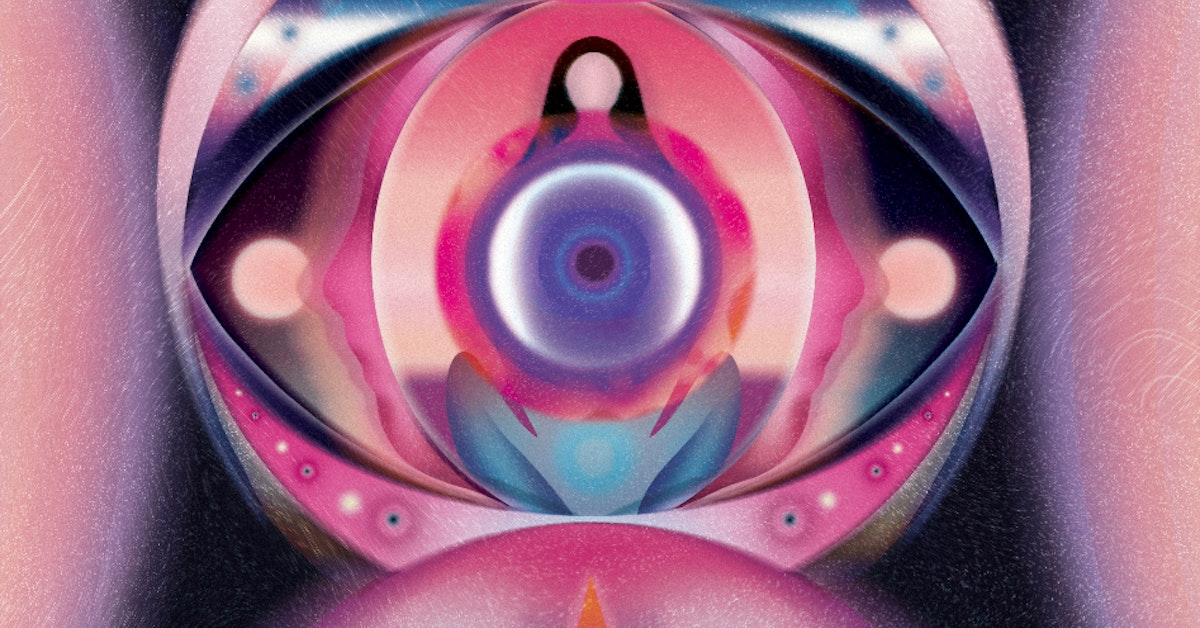
What Are Psychedelic Entities?
The beings people often meet while using psychedelics resist tidy explanations.
The Secret of Our Success: How Culture Is Driving Human Evolution, Domesticating Our Species, and Making Us Smarter
How our collective intelligence has helped us to evolve and prosperHumans are a puzzling species. On the one hand, we struggle to survive on our own in the wild, often failing to overcome even basic challenges, like obtaining food, building shelters, or avoiding predators. On the other hand, human groups have produced ingenious technologies, sophisticated languages, and complex institutions that have permitted us to successfully expand into a vast range of diverse environments. What has enabled us to dominate the globe, more than any other species, while remaining virtually helpless as lone individuals? This book shows that the secret of our success lies not in our innate intelligence, but in our collective brains—on the ability of human groups to socially interconnect and learn from one another over generations.Drawing insights from lost European explorers, clever chimpanzees, mobile hunter-gatherers, neuroscientific findings, ancient bones, and the human genome, Joseph Henrich demonstrates how our collective brains have propelled our species' genetic evolution and shaped our biology. Our early capacities for learning from others produced many cultural innovations, such as fire, cooking, water containers, plant knowledge, and projectile weapons, which in turn drove the expansion of our brains and altered our physiology, anatomy, and psychology in crucial ways. Later on, some collective brains generated and recombined powerful concepts, such as the lever, wheel, screw, and writing, while also creating the institutions that continue to alter our motivations and perceptions. Henrich shows how our genetics and biology are inextricably interwoven with cultural evolution, and how culture-gene interactions launched our species on an extraordinary evolutionary trajectory.Tracking clues from our ancient past to the present, The Secret of Our Success explores how the evolution of both our cultural and social natures produce a collective intelligence that explains both our species' immense success and the origins of human uniqueness.
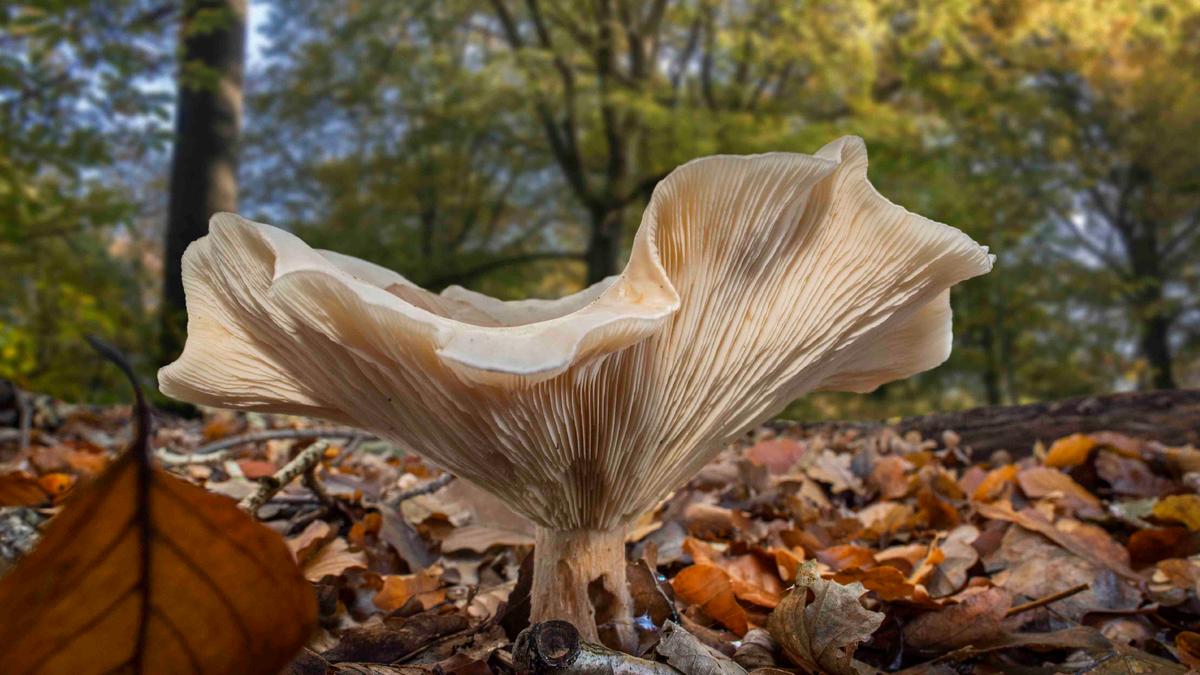
The fungal mind: on the evidence for mushroom intelligence | Psyche Ideas
The evidence for fungal intelligence is in: they can operate as individuals, make decisions, learn, and have short-term memory
Caves of Qud: Diaspora
Play as a mutated plant or animal in the first expansion to Caves of Qud. The world currents are in flux, and a diaspora brings a host of new features to the region: new mutations, new creatures, new items, roaming dromad caravans, and more.