


People focus less on bad feelings and experiences from the past (i.e. rumination) after four weeks of probiotics administration.
Gut bacteria may have impact on mental health, study says
Research opens door to possible treatments for depression based on probiotics
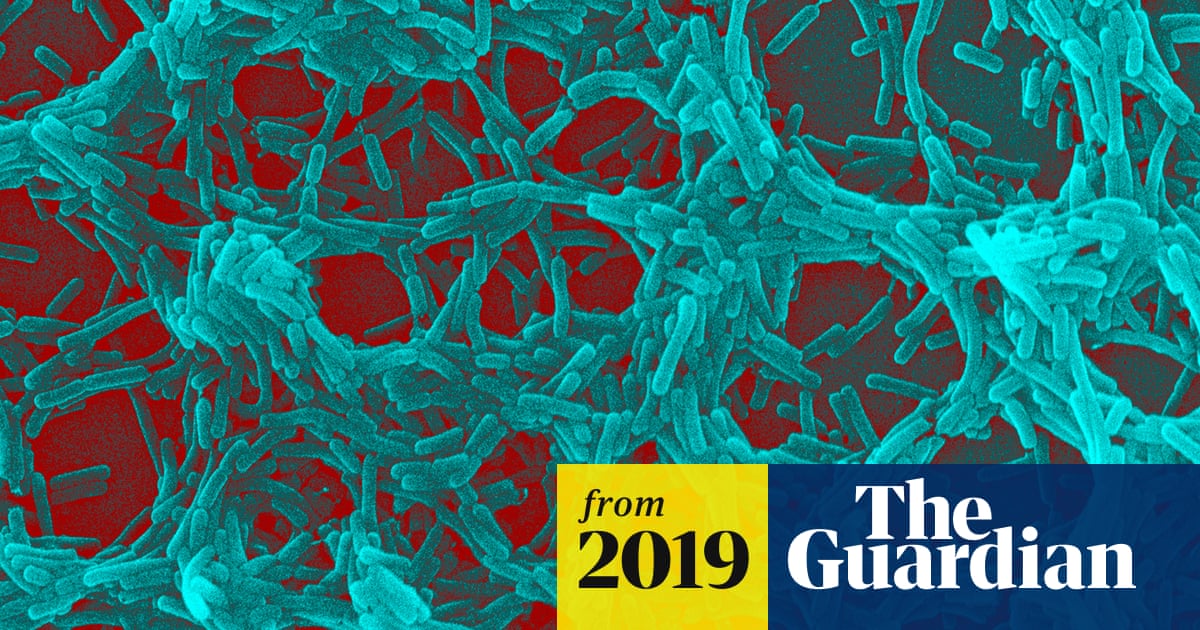
Antibiotics’ side-effects include immune disease and fewer brain cells
Killing gut microbes that keep immune system in line may have far reaching effects.
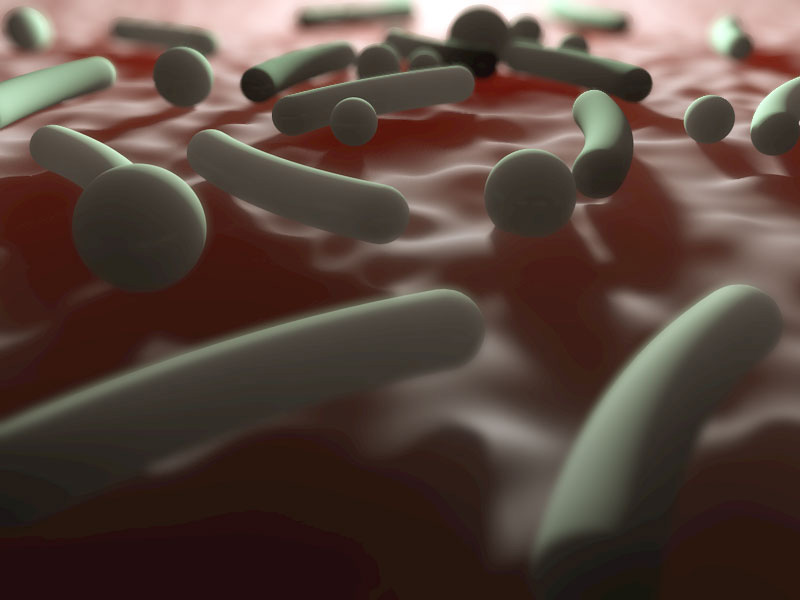
Gut–brain link grabs neuroscientists
Idea that intestinal bacteria affect mental health gains ground.
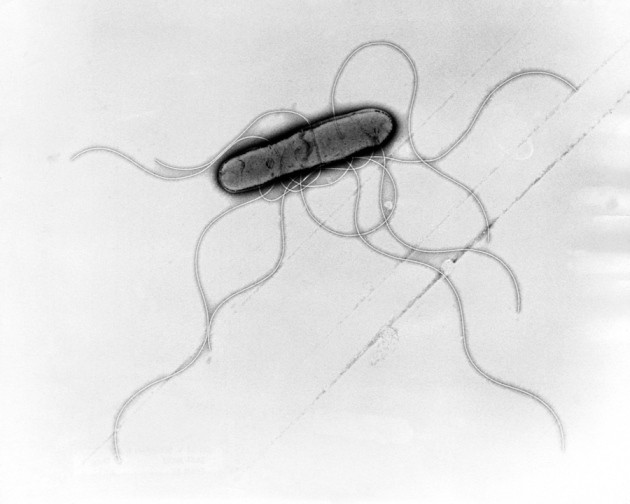
The pleiotropic effects of prebiotic galacto-oligosaccharides on the aging gut
Prebiotic galacto-oligosaccharides (GOS) have an extensively demonstrated beneficial impact on intestinal health. In this study, we determined the impact of GOS diets on hallmarks of gut aging: microbiome dysbiosis, inflammation, and intestinal barrier defects (“leaky gut”). We also evaluated if short-term GOS feeding influenced how the aging gut responded to antibiotic challenges in a mouse model of Clostridioides difficile infection. Finally, we assessed if colonic organoids could reproduce the GOS responder—non-responder phenotypes observed in vivo.

PTAB Reverses §101 Rejection of Probiotic + Prebiotic Composition Claims
Patent Trial and Appeal Board Finds That Probiotic Formulation Is Not a Product of Nature

The gut microbiome may influence brain aging, mouse study suggests
A communication pathway between the brain and the gut may be integral to how well the brain holds on to memories
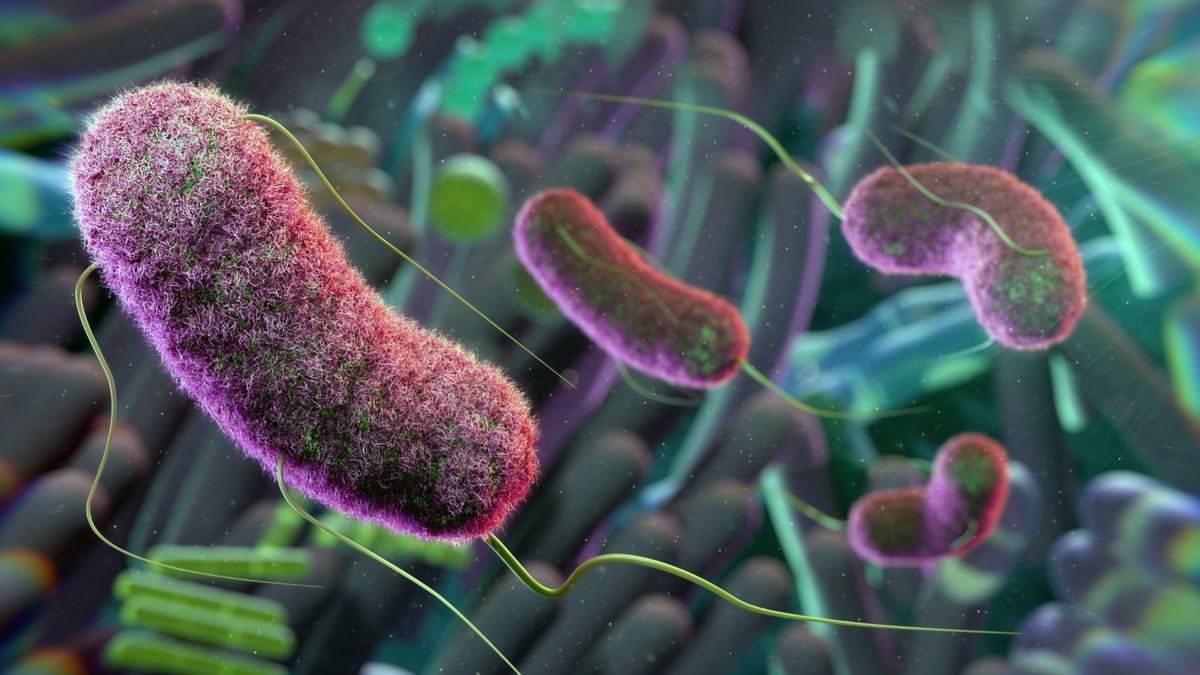
Fecal transplants for autism deliver success in clinical trials
Scientific research continues to uncover interesting connections between the gut microbiome and human health, including everything from depression to PTSD to autoimmune disease. Another example of this are emerging ties between gut health and autism. Exciting new research, now moving to Phase 3 human trials, has found boosting microbial diversity via fecal transplants can dramatically reduce autism symptoms in the long term.
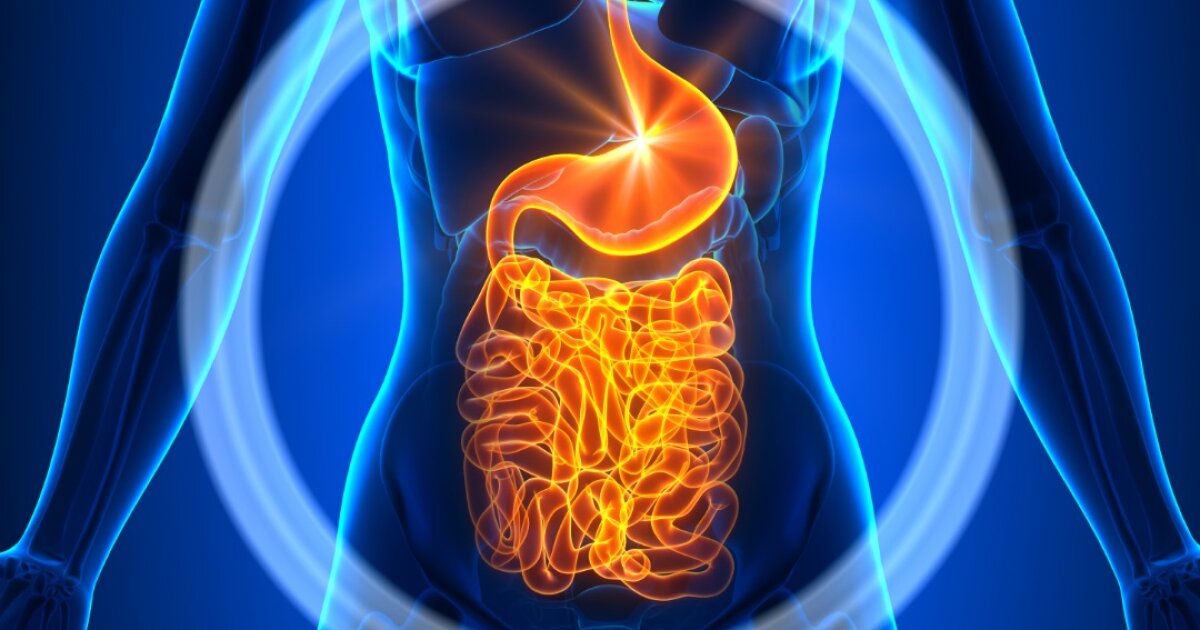
Getting antibiotics as a baby may have lasting effects on brain, behavior
Mouse study backs up human observations showing long-term changes.
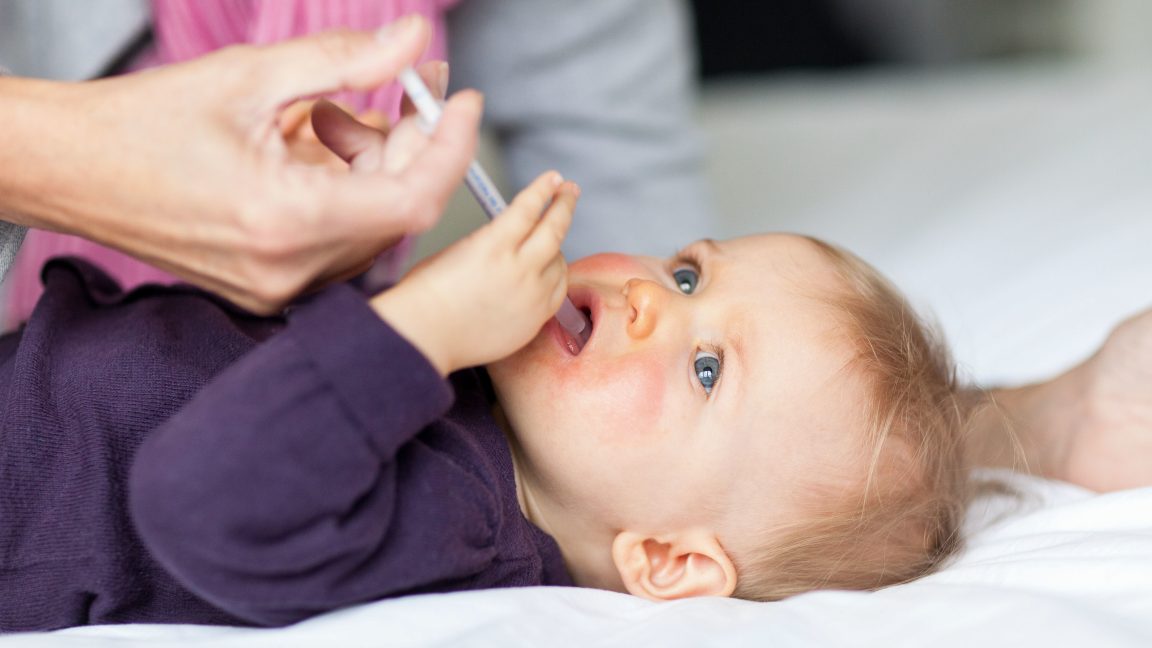
Think Twice: How the Gut's "Second Brain" Influences Mood and Well-Being
The emerging and surprising view of how the enteric nervous system in our bellies goes far beyond just processing the food we eat
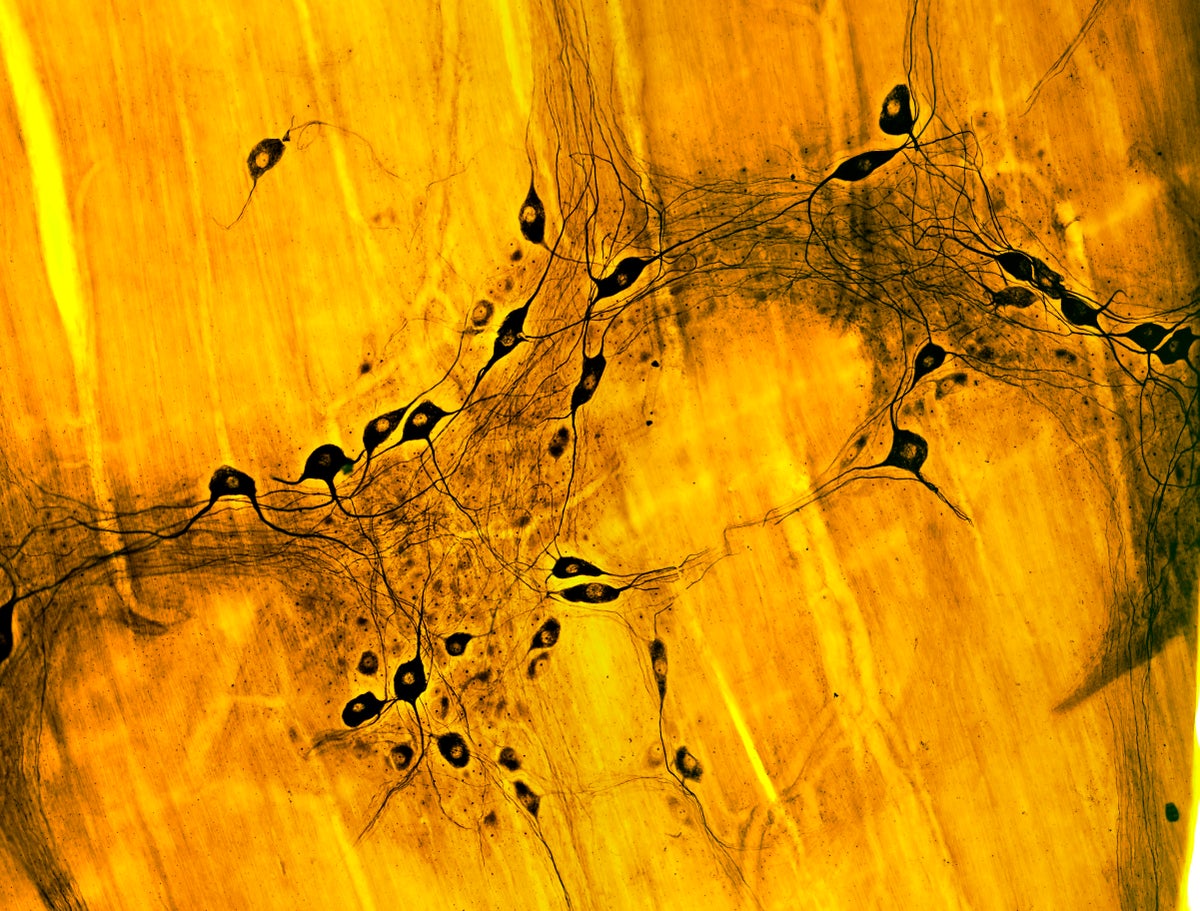
Artificial Sweeteners May Change Our Gut Bacteria in Dangerous Ways
Substances such as saccharin may alter the type of bacteria inside us, could lead to obesity

Probiotic Therapy Reduces Periodontal Tissue Destruction and Improves the Intestinal Morphology in Rats With Ligature‐Induced Periodontitis
Background: With increase in the incidence of resistance to antibiotics, probiotics are emerging as a promising adjunctive periodontal therapy. The authors of this study evaluate the influence of probiotic (PROB) supplementation on ligature‐induced periodontitis (LIP) and intestinal morphology in rats. Methods: Thirty‐two rats were randomly divided into four groups: control (C), LIP, PROB, and LIP/PROB. In groups PROB and LIP/PROB, the PROB was administered orally by addition to the drinking water of the animals for 44 days. In groups LIP and LIP/PROB, the mandibular right first molar of the animals received a cotton ligature that was left in the same position for 14 days. All animals were euthanized 44 days after the start of the PROB supplementation. The jaws were resected and histomorphometric analyses were performed. The measurements included evaluation of attachment loss (AL) and alveolar bone level (ABL) on the distal root of the mandibular first molar. Samples of the duodenum, jejunum, and ileum were also dissected from each animal to evaluate the villous height (VH) and crypt depth (CD). The data obtained were subjected to statistical analyses (analysis of variance, Tukey; P <0.05). Results: Mean values of AL and ABL were significantly higher in group LIP compared with group LIP/PROB (AL: 3.05 ± 0.57 mm and 1.78 ± 0.63 mm, respectively; ABL: 4.21 ± 0.42 mm and 3.38 ± 0.17 mm, respectively). In group LIP/PROB, the mean values of VH and CD of the jejunum were significantly higher than the ones from group LIP (VH: 672.1 ± 83.3 µm and 528.0 ± 51.7 µm, respectively; CD: 463.8 ± 100.9 µm and 269.0 ± 48.4 µm, respectively). Conclusions: It can be concluded that PROB supplementation 1) reduces AL and alveolar bone loss in rats with LIP and 2) can protect the small intestine from reactive changes induced by LIP.

The Microbial Metabolites, Short-Chain Fatty Acids, Regulate Colonic T<sub>reg</sub> Cell Homeostasis
Protecting the Guts Regulatory T cells (T regs ) in the gut are important sentinels in maintaining the peace between our gut and its trillions of resident bacteria and have been shown to be regulated by specific strains of bacteria in mouse models. Smith et al. (p. 569 , published online 4 July; see the Perspective by Bollrath and Powrie ) asked whether metabolite(s) generated by resident bacterial species may regulate T regs in the gut. Indeed, short-chain fatty acids (SCFAs), bacterial fermentation products of dietary fibers produced by a range of bacteria, restored colonic T reg numbers in mice devoid of a gut microbiota and increased T reg numbers in colonized mice. The effects of SCFAs on T regs were mediated through GPCR43, a receptor for SCFAs, which is expressed on colonic T regs . Mice fed SCFAs were protected against experimentally induced colitis in a manner that was dependent on GPR43-expressing T regs . , Bacterial fermentation products regulate the number and function of regulatory T cells in the mouse colon. [Also see Perspective by Bollrath and Powrie ] , Regulatory T cells (T regs ) that express the transcription factor Foxp3 are critical for regulating intestinal inflammation. Candidate microbe approaches have identified bacterial species and strain-specific molecules that can affect intestinal immune responses, including species that modulate T reg responses. Because neither all humans nor mice harbor the same bacterial strains, we posited that more prevalent factors exist that regulate the number and function of colonic T regs . We determined that short-chain fatty acids, gut microbiota–derived bacterial fermentation products, regulate the size and function of the colonic T reg pool and protect against colitis in a Ffar2 -dependent manner in mice. Our study reveals that a class of abundant microbial metabolites underlies adaptive immune microbiota coadaptation and promotes colonic homeostasis and health.

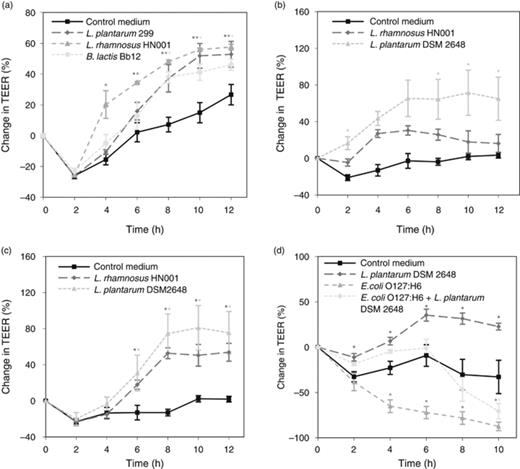
Lactobacillus plantarum DSM 2648 is a potential probiotic that enhances intestinal barrier function: Lactobacillus plantarum enhances intestinal barrier function
Abstract. The aim of this research was to identify bacterial isolates having the potential to improve intestinal barrier function. Lactobacillus plantarum
Regulation of Intestinal Barrier Function by Microbial Metabolites
The human gastrointestinal tract (GI) harbors a diverse population of microbial life that continually shapes host pathophysiological responses. Despite readily available abundant metagenomic data, the functional dynamics of gut microbiota remain to be explored in various health and disease conditions. Microbiota generate a variety of metabolites from dietary products that influence host health and pathophysiological functions. Since gut microbial metabolites are produced in close proximity to gut epithelium, presumably they have significant impact on gut barrier function and immune responses.

The contribution of gut bacterial metabolites in the human immune signaling pathway of non-communicable diseases
The interaction disorder between gut microbiota and its host has been documented in different non-communicable diseases (NCDs) such as metabolic syndrome, neurodegenerative disease, and autoimmune ...

A challenge if anyone wants to take it up. Here is a recent review in the BMJ on the "Evidence for clinical interventions targeting the gut microbiome in cardiometabolic disease". There is not a single effect estimate reported in this review, or either supplemental file bmj.com/content/383/bmj-2023-075180

Evidence for clinical interventions targeting the gut microbiome in cardiometabolic disease
www.bmj.com