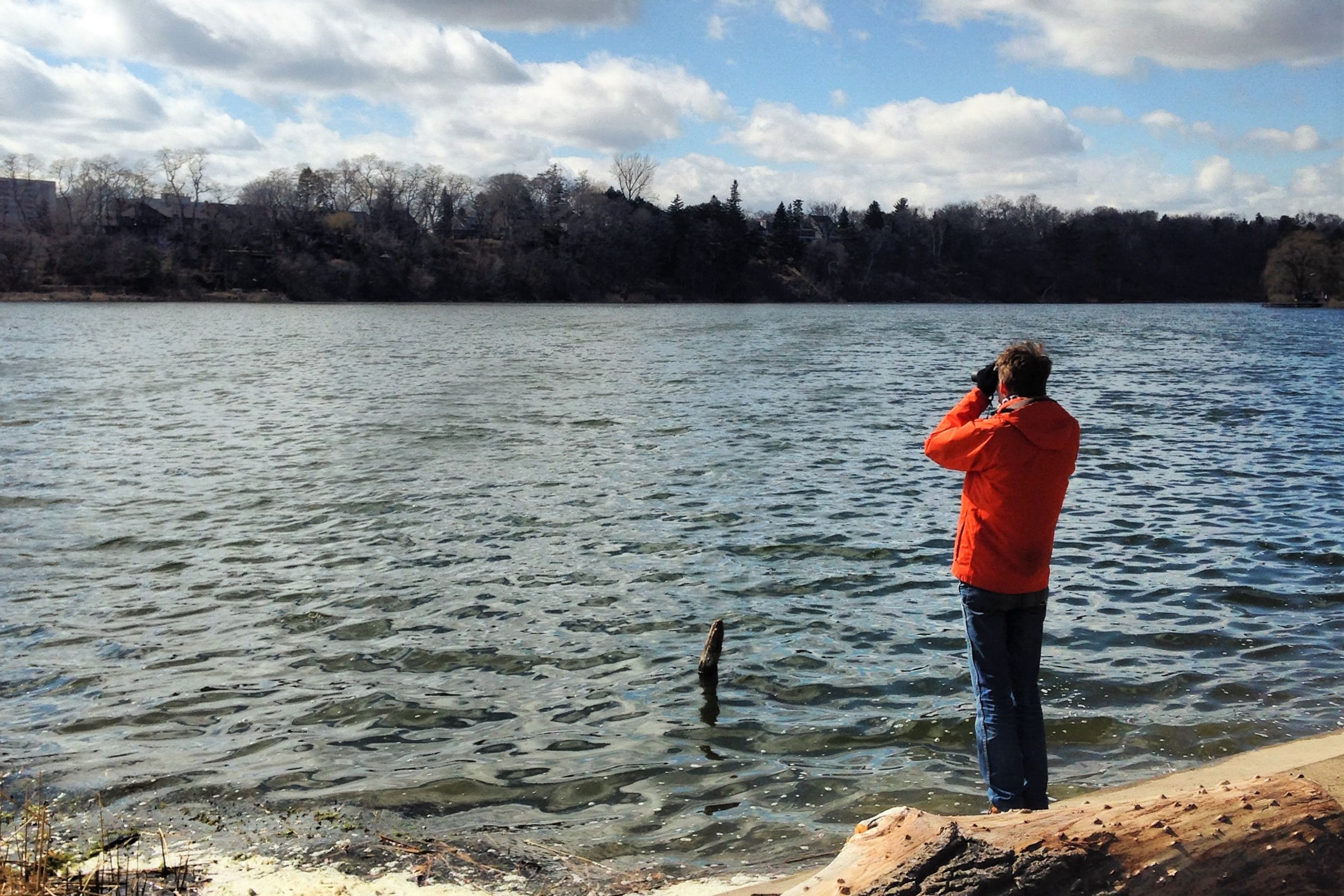
I'm thinking about switching my daily commute from four wheels to two. But I'm concerned about all the energy it takes to manufacture and ship a new...
For Wealthy Chinese, Bicycles Become Status Symbols
Rich Chinese are buying bicycles that cost more than the average citizen makes in three years, motivated by nostalgia for the days when two wheels were the primary means of transport.

Cycling like the Dutch would slash the world’s carbon footprint
If everybody cycled like the Dutch, we could offset the UK or Australia’s entire carbon footprint.

Carbon Removal Technologies | YC Request for Startups
Climate change presents an existential threat to humanity. We are already seeing the effects and they are showing up faster and stronger than anticipated. A report by United Nations' scientific panel on climate change released this month expects the atmosphere-on our current trajectory-to warm up by 1.5 degrees Celsius by 2040. Even the effects of a 0.5 degrees increase will have far-reaching consequences. This research indicates that we are already past the tipping point; even if we significantly reduced emissions, climate change would continue (Source IPCC summary C3 section). We believe there's still time to make a change if we look both to renewal energy and CO2 removal.

Carbon Captured
How the fossil fuel industry turned the plan to solve climate change into a plan to save itself

With four more years like 2023, carbon emissions will blow past 1.5° limit
With each passing year, it gets harder to reach net zero quickly enough.
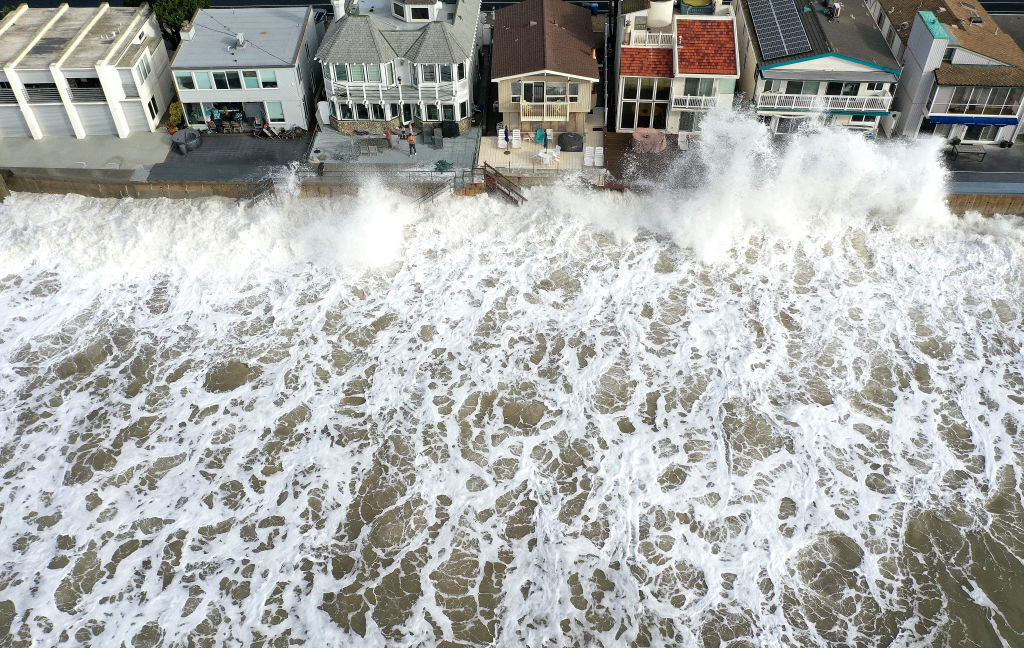
China’s Shift to Clean Energy Is Saving the Paris Climate Accord
Beijing’s massive manufacturing investments have driven the costs of clean energy down.

Preliminary US Greenhouse Gas Emissions Estimates for 2025
Based on preliminary economic and energy activity data, we estimate that in 2025, US greenhouse gas emissions increased by 2.4%, marking a change from the prior two years of decreases in emissions.
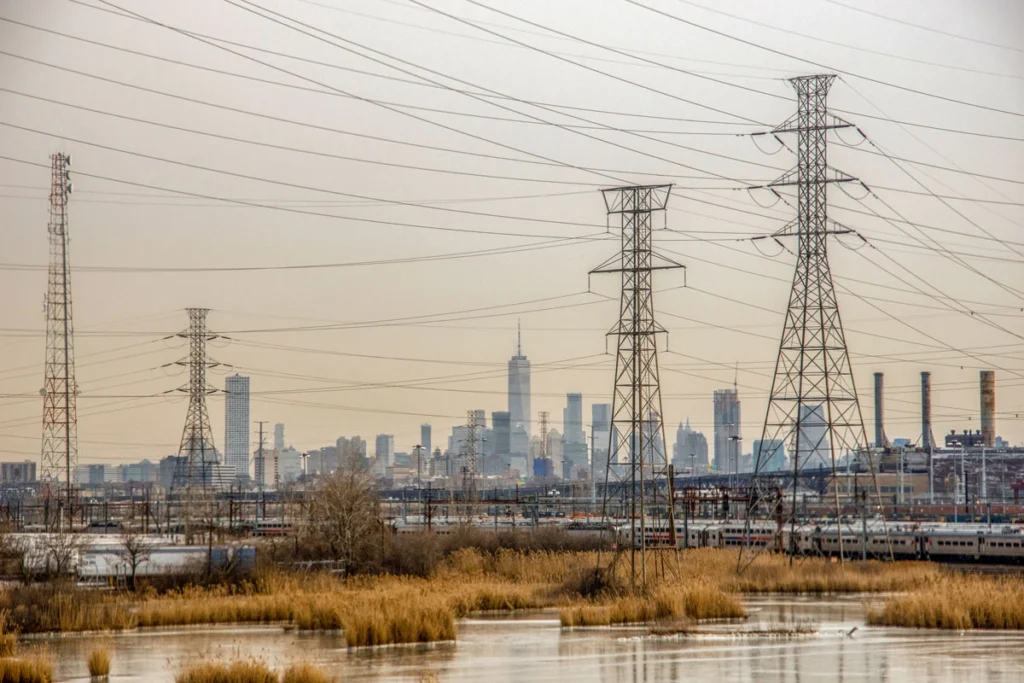
Global Carbon Budget Means Canada’s Fossil Fuels a Risky Investment | The Narwhal
In its latest report the Intergovernmental Panel on Climate Change (IPCC) gave global greenhouse gas emissions a worldwide limit, know as the global

A Reality Check on Our ‘Energy Transition’ | The Tyee
To our peril, there’s been no green revolution. Just green addition to rising fossil fuel use.

Vast fossil fuel and farming subsidies causing ‘environmental havoc’
World Bank says subsidies costing as much as $23m a minute must be repurposed to fight climate crisis
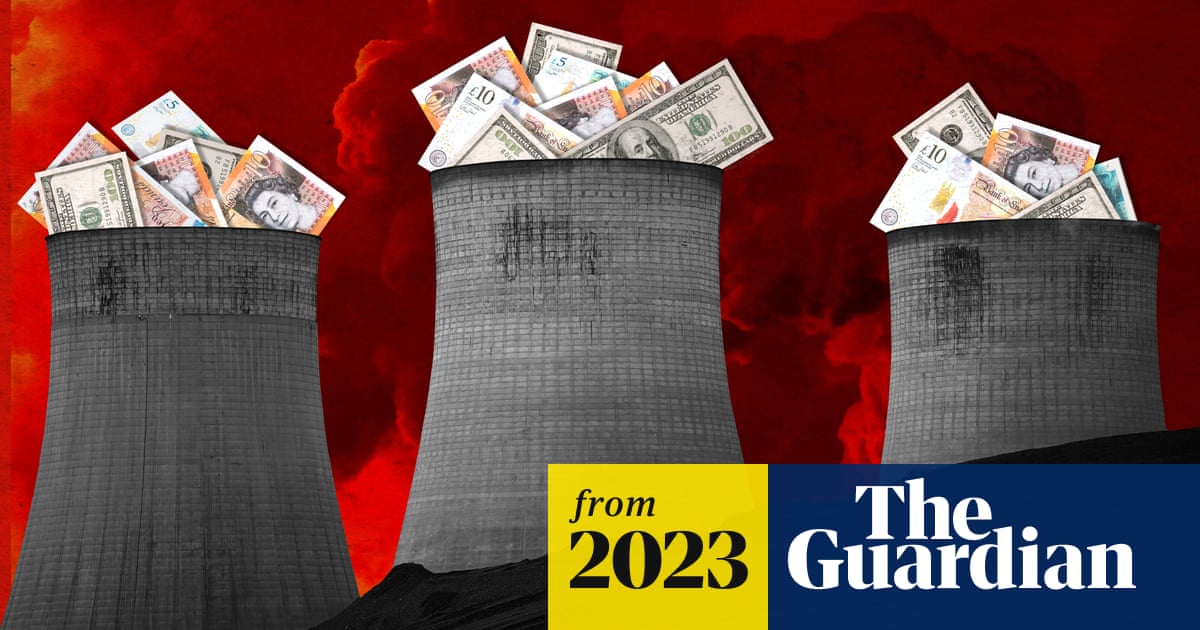
The Climate Solution Actually Adding Millions of Tons of CO2 Into the Atmosphere — ProPublica
New research shows that California’s climate policy created up to 39 million carbon credits that aren’t achieving real carbon savings. But companies can buy these forest offsets to justify polluting more anyway.

We did the math on AI’s energy footprint. Here’s the story you haven’t heard.
The emissions from individual AI text, image, and video queries seem small—until you add up what the industry isn’t tracking and consider where it’s heading next.

Why unilateral decarbonisation can pay for itself
Anthropogenic greenhouse gas emissions are rapidly warming our planet, with potentially severe economic, social, and health consequences. Conventional estimates of climate damages suggest that while coordinated global efforts are desirable, unilateral action is rarely cost-effective due to a classic free-rider problem. Why should a country bear the costs of reducing emissions when the benefits are shared globally? This column re-evaluates this view in light of new climate damage estimates based on global temperature variation, showing that the economic case for unilateral decarbonisation is far stronger than previously thought.
In Deep
The numbers are simply mind-blowing: up to £264 billion for a climate “solution” that will increase emissions. Has the government lost its mind?

Cycling Toward a Cooler Toronto | The Power of Bike Lanes
The cost of driving versus using a bike and transit (or: how to save over $7,000 a year)
I thought it would be fun to find out: how much money did I save in 2025 by cycling and using transit compared to using a car as my primary way of getting around?