This document discusses reorganizing website architecture for HTTP/2 and beyond. It summarizes some issues with HTTP/2 including errors in prioritization where some browsers fail to specify resource priority properly. It also discusses the problem of TCP head-of-line blocking where pending data in TCP buffers can delay higher priority resources. The document proposes solutions to these issues such as prioritizing resources on the server-side and writing only what can be sent immediately to avoid buffer blocking. It also examines the mixed success of HTTP/2 push and argues the server should not push already cached resources. - Download as a PDF or view online for free
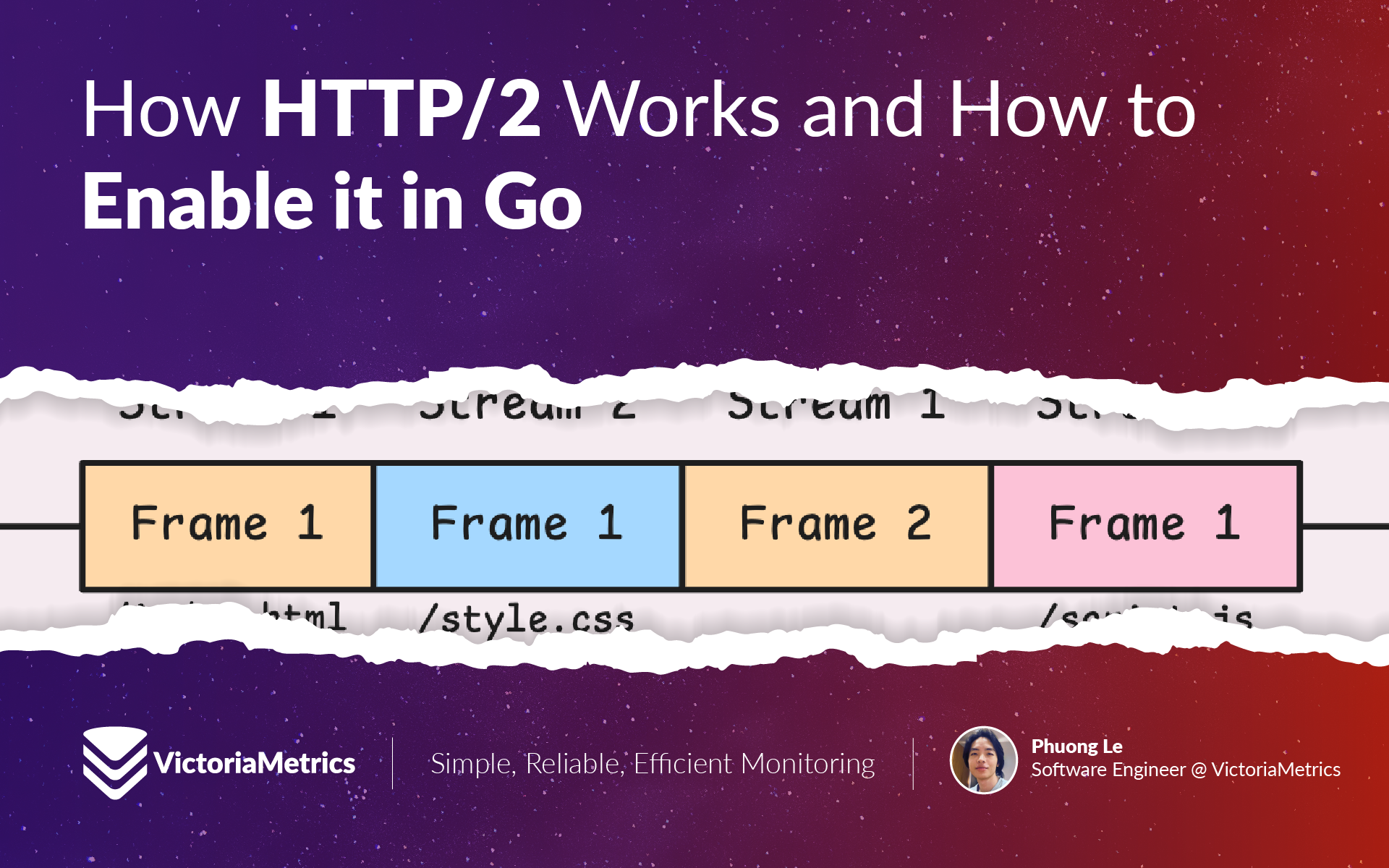
How HTTP/2 Works and How to Enable It in Go
HTTP/2 solves head-of-line blocking at the application layer by multiplexing multiple streams over a single TCP connection. While HTTP/1.1 requires requests to be processed sequentially, HTTP/2 allows parallel processing through independent streams, each with its own ID. The Go standard library supports HTTP/2 out of the box when using HTTPS, and with some configuration, it can work over plain HTTP too
HTTP Semantics
The Hypertext Transfer Protocol (HTTP) is a stateless application-level protocol for distributed, collaborative, hypertext information systems. This document describes the overall architecture of HTTP, establishes common terminology, and defines aspects of the protocol that are shared by all versions. In this definition are core protocol elements, extensibility mechanisms, and the "http" and "https" Uniform Resource Identifier (URI) schemes. This document updates RFC 3864 and obsoletes RFCs 2818, 7231, 7232, 7233, 7235, 7538, 7615, 7694, and portions of 7230.
Some notes about HTTP/3
HTTP/3 is going to be standardized. As an old protocol guy, I thought I'd write up some comments. Google (pbuh) has both the most popular ...

HTTP: The Protocol Every Web Developer Must Know—Part 1
Learning the fundamentals of the World Wide Web is crucial, especially if you are planning to build web apps. And HTTP is at the heart of any web application you could build. HTTP stands for...

On forking the Web
This document contains a set of informal notes on how to build an alternative specification to the Web, in such a way that hopefully prevents many of its drawbacks while still preserves many of the good points. This document is not an specification, and is therefore subject to change over time.
Our best practices are killing mobile web performance
Web performance rules invented for desktop web access need to be revised for the mobile era.

Mozilla's Vision for a Healthy, Sustainable Web | The Mozilla Blog
Not surprisingly, the latest discussions around content blocking have resulted in a polarizing debate about the users who choose to block content as a way

Generic Event Delivery Using HTTP Push
This document describes a simple protocol for the delivery of real- time events to user agents. This scheme uses HTTP/2 server push.

High Performance Browser Networking (O'Reilly)
What every web developer must know about mobile networks, protocols, and APIs provided by browser to deliver the best user experience.
Theming atproto · blog.damato.design
Taking Mise en Mode into the new web standard
Opera Mini is a game change : Cloud-Based Browsers and Its important to know them.
Index Introduction
Reimagining the Browser for a Green Web - Branch
The web must operate within planetary limits by phasing out fossil fuels, and reducing absolute emissions across supply chains.
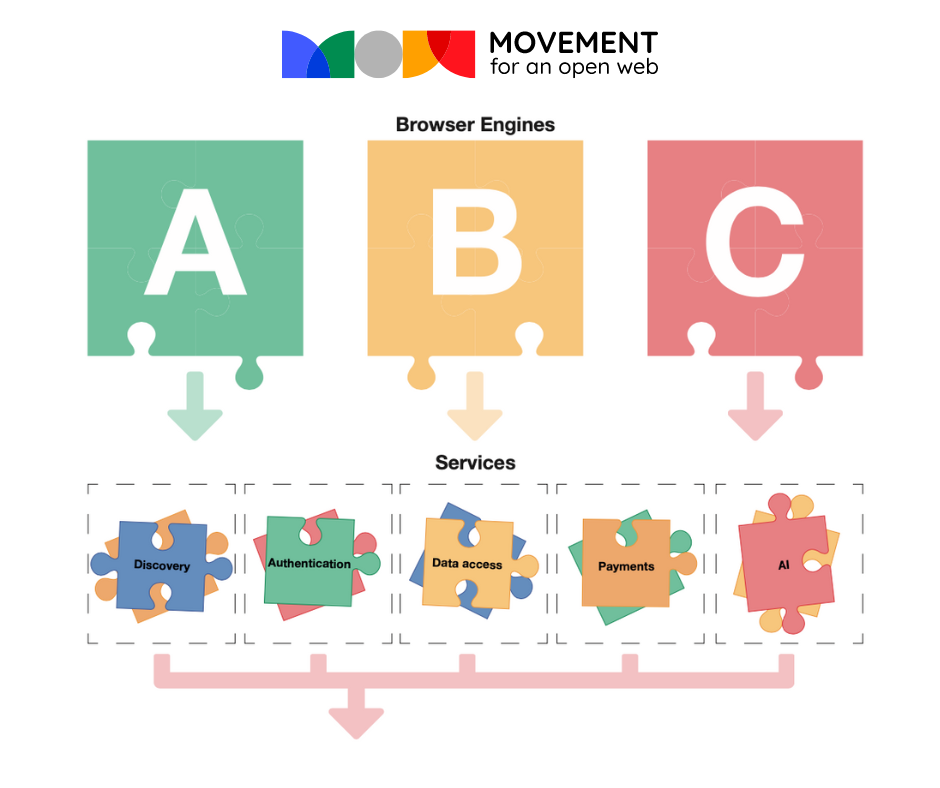
Break up the Browsers. A Proposal to Save the Open Web. - Movement For An Open Web
The Open Web is one of the world’s modern wonders. Based on core, universally recognised technical standards and owned and controlled by no one body, it is a unique structureRead More