

The Experience of God: Being, Consciousness, Bliss
The Experience of God: Being, Consciousness, Bliss is a 2013 book by philosopher and religious studies scholar David Bentley Hart published by Yale University Press. The book lays out a statement and defense of classical theism and attempts to provide an explanation of how the word "God" functions in the theistic faiths, drawing particularly from Christianity, Islam and Hinduism.

Believing what we do not believe: Acquiescence to superstitious beliefs and other powerful intuitions.
Learn Your Philosophical Beliefs | ClearerThinking.org
Find your direction in life with our philosophical compass, a tool to explore your beliefs, values and purpose!

The Cloud of Unknowing
The Cloud of Unknowing is an anonymous work of Christian mysticism written in Middle English in the latter half of the 14th century. The text is written as guide from a teacher to a student, with the message that God cannot be understood via reason or intellect, but only through love: “By love may He be gotten and holden, but never through thought.” To achieve this goal, the text recommends cultivation of two mental states: “The cloud of forgetting”, and “the cloud of unknowing”.

Christian Theology as Foundation of Western Philosophy
Do you know how the fundamentals of the Christian faith relate to your thinking?
When "yang" goes wrong — LessWrong
On the connection between deep atheism and seeking control.

The Word of Life A Theology of Johns Gospel (Craig R. Koester) (z-lib.org).pdf
(Working Paper) Good Faith Design: Religion as a Resource for Technologists
Previous work has found a lack of research in HCI on religion, partly driven by misunderstandings of values and practices between religious and technical communities. To bridge this divide in an empirically rigorous way, we conducted an interview study with 48 religious people and/or experts from 11 faiths, and we document how religious people experience, understand, and imagine technologies. We show that religious stakeholders find non-neutral secular embeddings in technologies and the firms and people that design them, and how these manifest in unintended harms for religious and nonreligious users. Our findings reveal how users navigate technoreligious practices with religiously informed mental models and what they desire from technologies. Informed by this, we distill six design values -- wonder, humility, space, embodiedness, community, and eternity -- to guide technologists in considering and leveraging religion as an additional, valid sociocultural resource when designing for a holistic user. We further spell out directions for future research.

The King of Kings
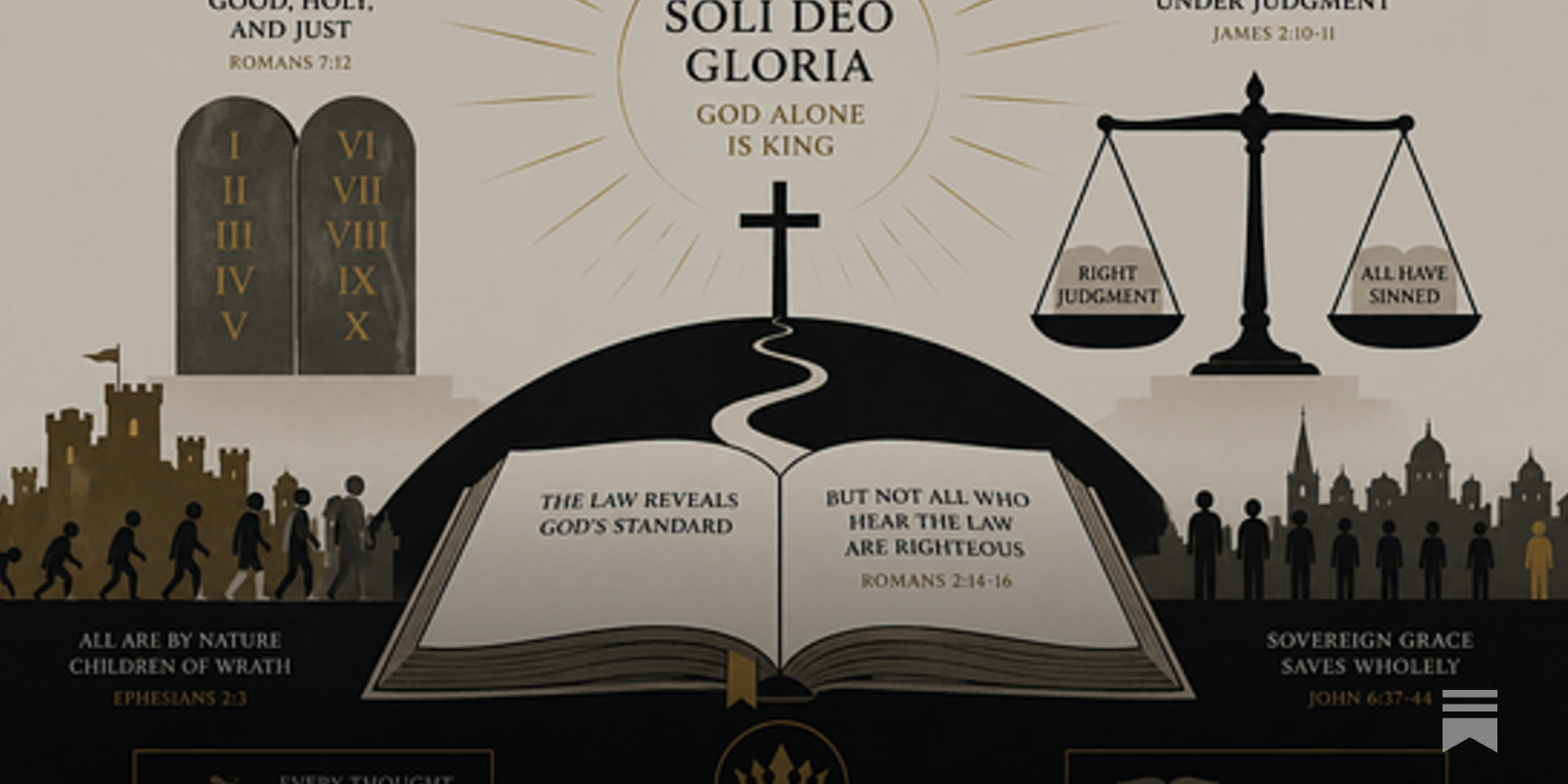
Evolutionary Morality, the Judgment of Law, and the Necessity of God
Import AI 462: Superpersuasion; self-sustaining AI; paths to ASI
How religious are beliefs in the singularity?

What We Believe | Lincoln Road Chapel
Read more about our statement of faith and what we believe.

A quote by Umberto Eco
When men stop believing in God, it isn't that they then believe in nothing: they believe in everything.

Evolution and the Meaning of Life
In an aside to his contribution to our recent discussion of same-sex marriage (my contribution is here), Big Think’s Peter Lawler wrote that Darwinists agree with many religiously observant people […]

Tom Robbins Quotes
"I believe in nothing, everything is sacred. I believe in everything, nothing is sacred." - Tom Robbins

It’s Up to You to Start a Good Fight
Recently, I posted a list of 12 Things Good Bosses Believe. Now I’m following up by delving into each one of them. This post is about the seventh belief: “I aim to fight as if I am right, and listen as if I am wrong — and to teach my people to do the same […]
Chuchee Mythology - Index
Sacred religious text from the Internet Sacred Text Archive