Once startups are ready to scale, their biggest challenge is often hiring someone capable of leading the growth charge. A marketer with the right talents and approach can kick some serious ass once product-market fit and an efficient conversion/monetization process have been proven. But the problem is that most startups try to hire for skills
Growth Hacking Made Simple: Definition
Learn how big brands like Spotify and Facebook use growth hacking to increase their influence and user base in this ultimate guide.

Indie Startups - Neil Thanedar
10 years ago, my entrepreneurial goal was to raise $100M+ and make one $1B+ startup. Now my goal is to 100% own many $1M+ startups.

Why it's nice to compete against a large, profitable company
Competing against big firms? Their revenue streams are their Achilles heel. Learn how smaller startups have a shot.

The Market Curve
The market you choose to serve is one of the most important factors for an early-stage startup. And for most technologists, it’s a blind …

American tech giants are making life tough for startups
Big, rich and paranoid, they have reams of data to help them spot and buy young firms that might challenge them

Before You Grow | Y Combinator
Startups are defined by growth [http://www.paulgraham.com/growth.html], but growth isn’t step one in building a great company. If you focus on trying to grow before you make a product people love, you are unlikely to succeed. We’ve said this before, but it’s worth repeating–many founders hurt their companies by focusing on growth too soon. I’m not saying don’t grow at all–getting people to use your product, even in its earliest form, will help you better understand what your customers want. Bu
AMP IT UP: Leading for Hypergrowth by Raising Expectations, Increasing Urgency, and Elevating Intensity
Exponential growth is a critical goal for today's emerging ventures. And while such growth can feel elusive, game-changing transformation is within our
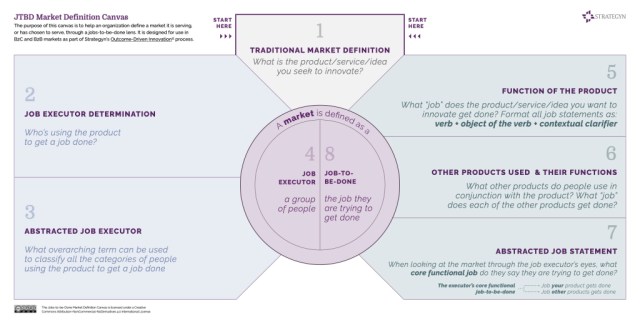
Steve Blank How to Find a Market? Use Jobs-To-Be-Done as the Front End of Customer Discovery
Modern entrepreneurship began at the turn of the 21st century with the observation that startups aren’t smaller versions of large companies – large companies at their core execute known business mo…
Advice and Insights for Entrepreneurs | OnStartups
Insights and ideas for software startups
scaling · cory.news
Every few years there’s a startup that loudly proclaims it has “solved” management in some new way. Big-A agile, holocracy, etc etc etc.
Putting Post Growth Theory Into Practice
The Post Growth Entrepreneurship Incubator helps founders break free from traditional business models and implement sustainable…

The Rise of the Silicon Valley Small Business
What you need to know about the next big startup archetype
Shaping the industry through independent reproduction of results within our companies
A friend who angel invests shared that some of his pre-seed investments are considering shutting down before even trying to raise their next round. This isn’t super surprising; many early-stage startups are struggling to hit the growth expectations to raise, which are extremely high at the moment, but what’s been interesting is why these companies are losing confidence: they’re just not sure there’s a need for software anymore, given how rapidly a good harness with a frontier model can build. This anxiety about the future isn’t limited to young startups; you can find it in startups of almost any size right now, boiling down to the fear that a lab might recreate your business tomorrow as a side project.

What Kills Startups? Blackbox Releases Report/App To Help Founders Avoid The Deadpool | TechCrunch
It's not easy being green -- or an entrepreneur. The inherent risk in becoming an entrepreneur or founding a startup is high. Sleepless nights, sweat equity, bribing new users to come to your product -- it's all part of the nerve-racking, code-spinning, and teeth grinding process. That's why most of these swashbucklers are pirates by nature. But the truth of the matter is that few startups ever make it far enough to find the buried treasure or piggyback on Facebook all the way to glory; in fact, the cold, hard reality is that more than 90 percent of all startups fail. That's why four young international entrepreneurs (Bjoern Herrmann and Aleksandra Markova) created the so-called Startup Genome Report, because they wanted to a deep dive into what makes a startup successful -- and what causes so many to drink from the cup of FAIL.

Meet the AI OnlyFans: How one startup raised millions to build an ‘erotic companions’ platform | Kai Nicol-Schwarz
Meet the AI OnlyFans: How one startup raised millions to build an ‘erotic companions’ platform --- When AI erotic companion startup Oh raised a $4.5m funding round in January, it had something few in the shadowy new sector could boast. A roster of named investors, publicly backing the company. VCs are often bound by “vice clauses”, which prohibit firms from investing in controversial products like pornography or weapons. As a result, startups working on ethically contentious products often rely on angel investors and family offices to stay afloat. But Oh, which generates NSFW adult content and conversations with both fictional characters as well as bots based on real people, has tapped into a group of seemingly less squeamish investors: crypto VCs. It’s drawn backing from the likes of Tangent, Kosmos Ventures, Big Brain Holdings, Bodhi Ventures and Tagus Capital. “Raising money for a business like this from non-crypto VCs is very difficult,” says Oh founder and CEO Nic Young, who positions the startup as a “decentralised platform” and offers payments via crypto. “A lot of crypto VCs don’t have vice clauses — it’s more liberal and free.” Oh wants to use those fresh funds to build the “AI OnlyFans”, with plans to roll out autonomous scantily clad bots that can market themselves on social media and direct message users with spicy conversation starters. The biggest challenge? Convincing enough users it’s not that weird turning to AI when you’re looking for romance. https://lnkd.in/eRF7a5Dn

Why Product Market Fit Isn't Enough — Brian Balfour
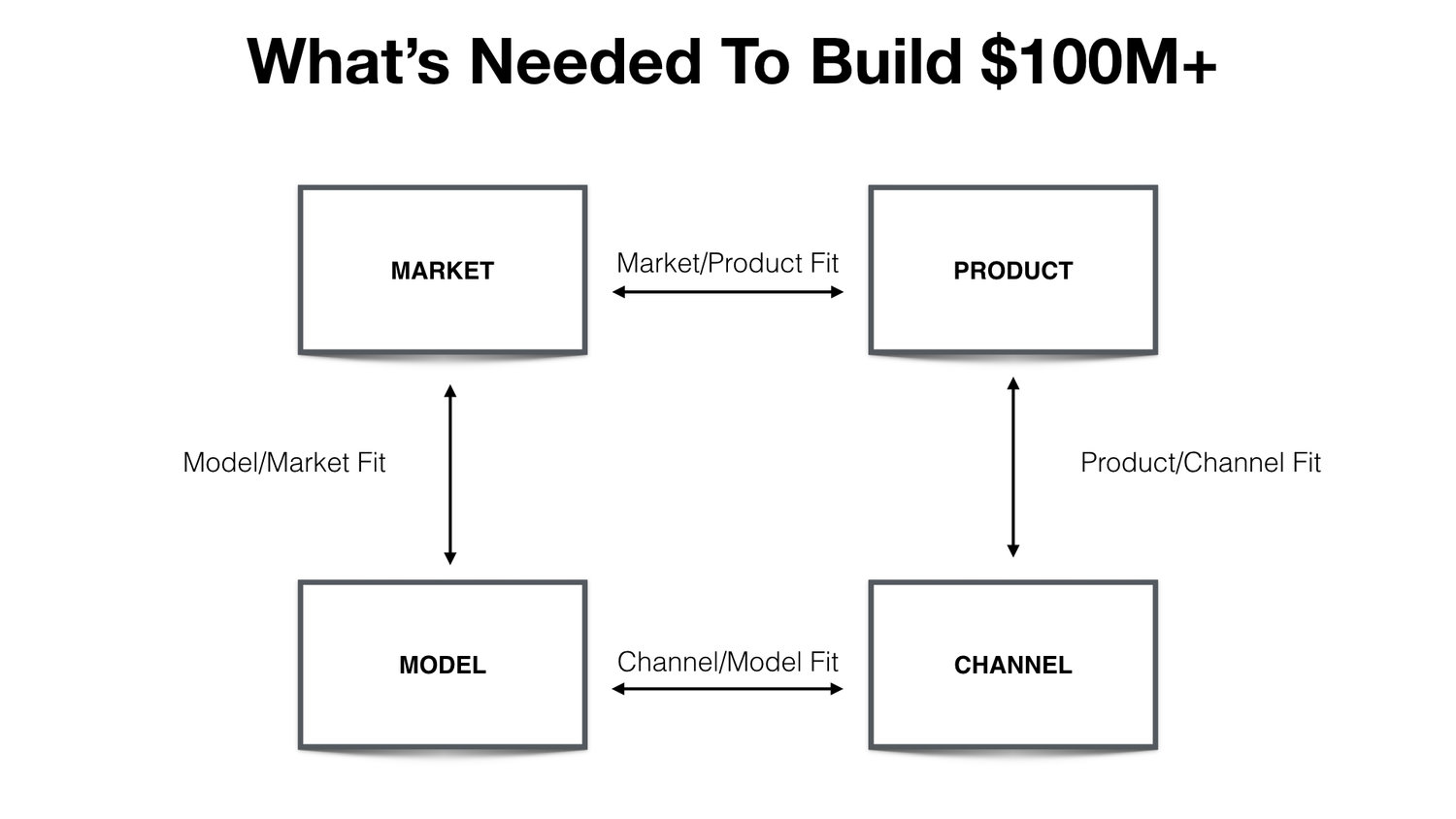
I’ve been lucky to have been part of building, advising, or investing in 40+ tech companies in the past 10 years. Some $100M+ wins. Some, complete losses. Most end up in the middle. One of my main observations is that there are certain companies where growth seems to come easily, like gui