

Last Tuesday, The Century Foundation was honored to host Alan Blinder, renowned economist and recent editor (alongside Andrew Lo and Robert Solow) of
David Graeber: "Spotlight on the financial sector did make apparent just how bizarrely skewed our economy is in terms of who gets rewarded"
David Graeber explains why the more your job helps others, the less you get paid

The Together Project
What if we could actually see the acknowledgement graph that connects humans and communities in a hidden economic web?

Milton Friedman
Blog de sciences économiques et sociales de Martin Anota. Traductions, revues de presse.

annotations: A propos de la super-implication des super-riches dans la politique américaine
Blog de sciences économiques et sociales de Martin Anota. Traductions, revues de presse.
annotations: La Réserve fédérale doit garder son indépendance pour que l’économie américaine prospère
Blog de sciences économiques et sociales de Martin Anota. Traductions, revues de presse.
Report - Brace for Impact: Protecting People and the Economy when the AI Bubble Bursts — Open Markets Institute
Our report in partnership with Americans for Financial Reform outlines vulnerabilities in the financial system and wider economy that could intensify an AI crash into the next financial crisis, and provides steps that policymakers can take to mitigate the damage and protect everyday people from bear

Why The Rich Think The Poor Are Lazy
From Code To Cash: Stack Overflow Co-Founder Jeff Atwood’s Unorthodox Path To Philanthropy
The more I looked at it, the more I thought the money should be actually out there working to make the world better in some form.

annotations: Les économistes sont-ils égoïstes ?
Blog de sciences économiques et sociales de Martin Anota. Traductions, revues de presse.
Systems: How the Ultra-Wealthy Think About Money - Anil Dash
A blog about making culture. Since 1999.

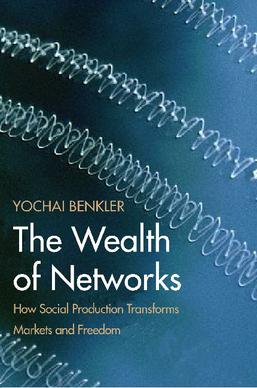
The Wealth of Networks
The Wealth of Networks: How Social Production Transforms Markets and Freedom is a book by Harvard Law School professor Yochai Benkler published by Yale University Press on April 3, 2006. The book has been recognized as one of the most influential works of its time concerning the rise and impact of the Internet on the society, particularly in the sphere of economics. It also helped popularize the term Benkler coined few years earlier, the commons-based peer production (CBPP).
annotations: Institutions et prospérité : zoom sur les travaux des lauréats du Nobel 2024
Blog de sciences économiques et sociales de Martin Anota. Traductions, revues de presse.
When is an economist not an economist?
A fraught question that warrants reflection on who gets to be a member of the influential informal guild

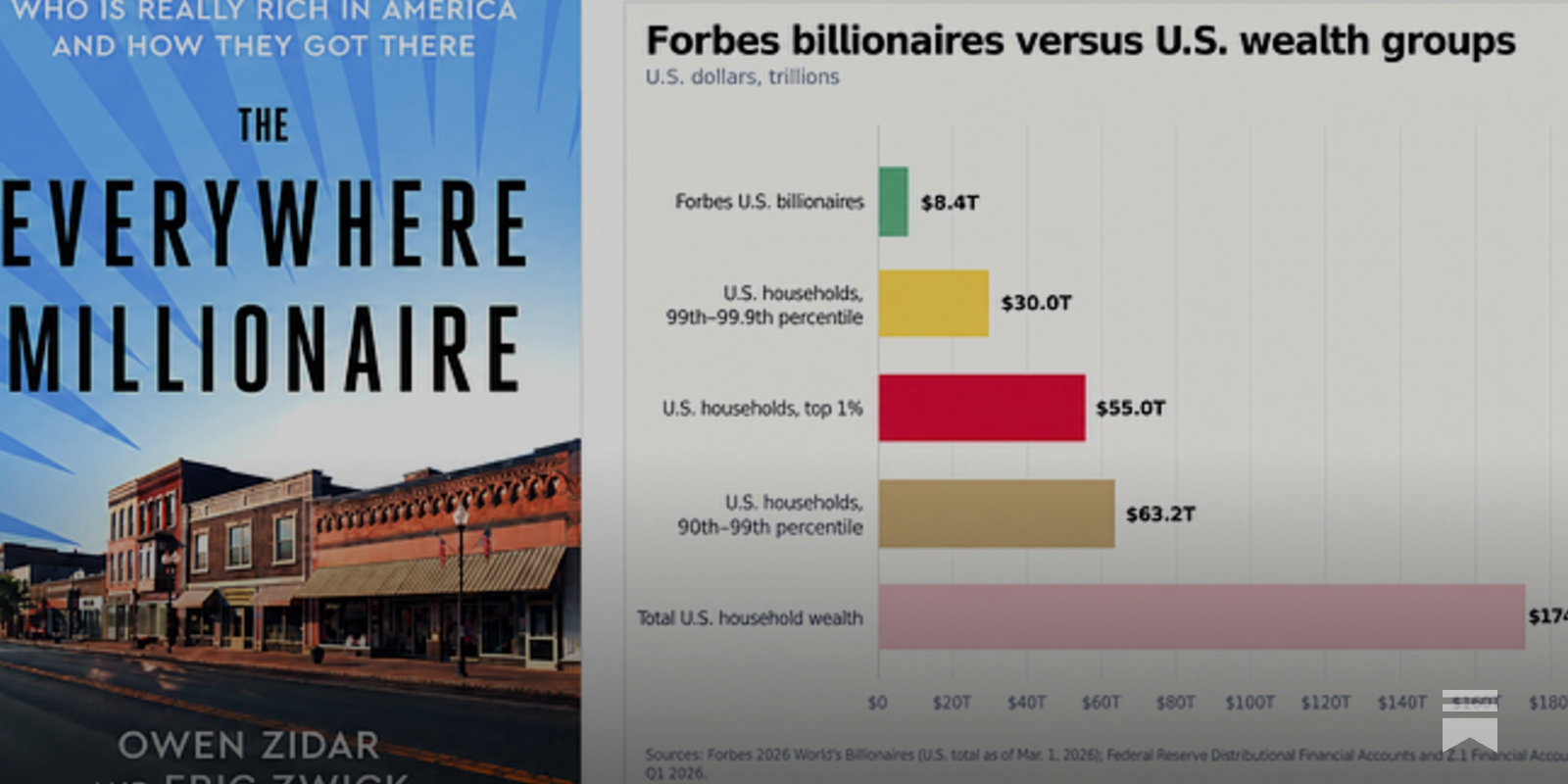
Who is rich in America, and why?
A review of “The Everywhere Millionaire” by Zidar and Zwick
Post-growth & Regenerative Economics

Articles, podcasts, papers and books about alternative, pro-social models of finance and economics.
Thought Cabinet - Creator Economy

Inspiration and voices related to the Creator Economy
www.sciencedirect.com

Post-growth: the science of wellbeing within planetary boundaries
SEED Founding

Making Business Personal
Think Like a Commoner | A Short Introduction to the Life of the Commons
Design principles for long-lived circular organization: An Ostromian perspective
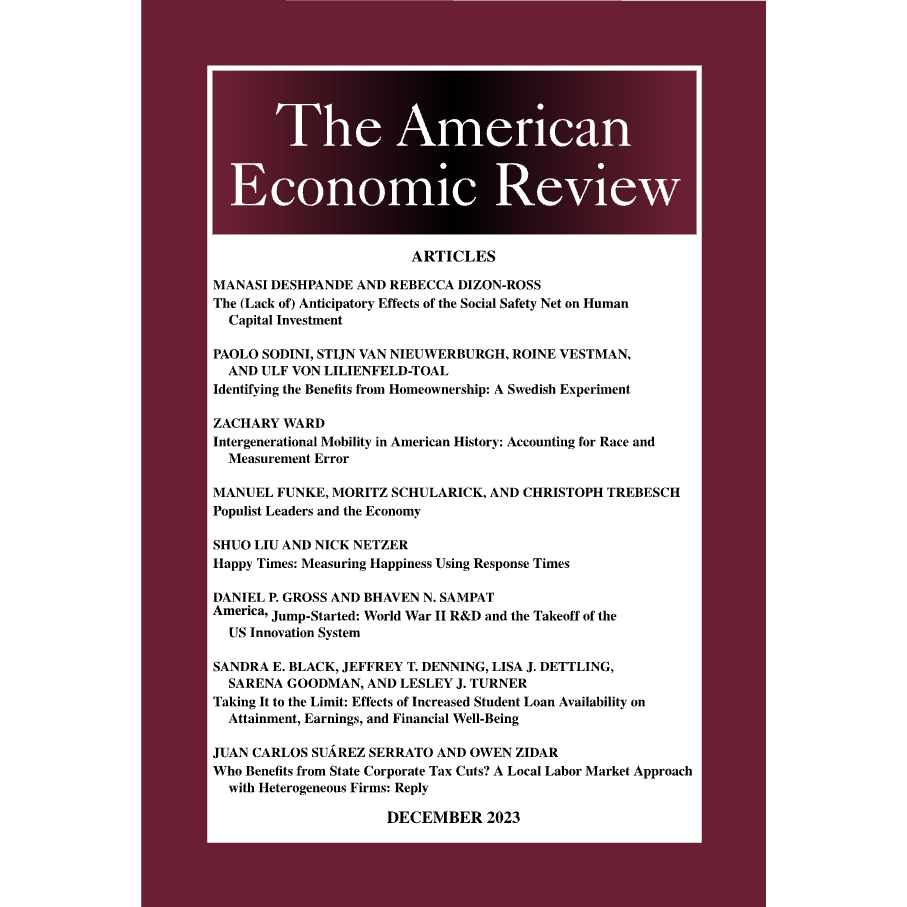
Artistic Originals as a Capital Asset
The Wealth of Networks
Preparing for the Creator Economy Apocalypse (with Chris Gethard)