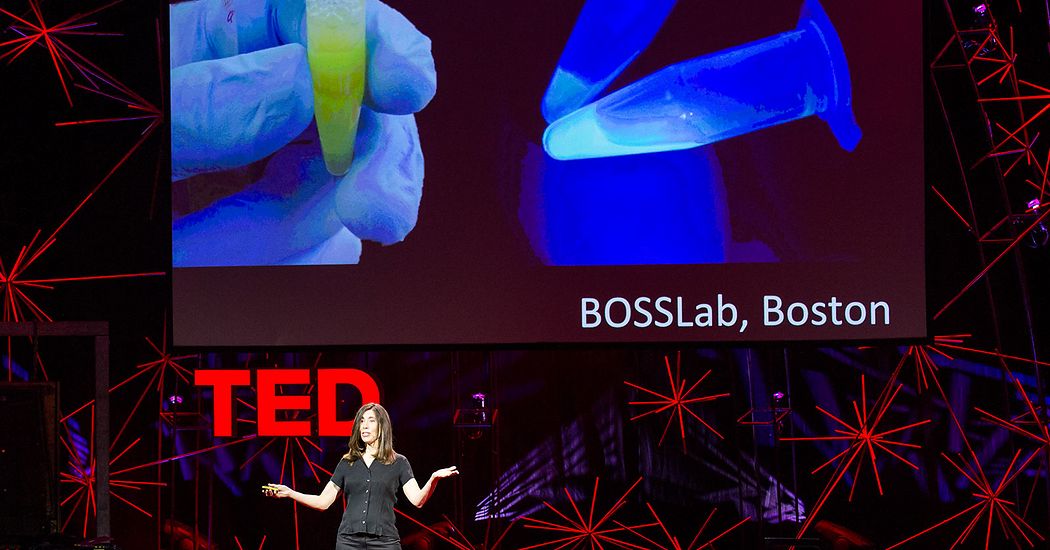
We have personal computing -- why not personal biotech? That's the question biologist Ellen Jorgensen and her colleagues asked themselves before opening Genspace, a nonprofit DIY bio lab in Brooklyn devoted to citizen science, where amateurs can go and tinker with biotechnology. Far from being a sinister Frankenstein's lab (as some imagined it), Genspace offers a long list of fun, creative and practical uses for DIY bio.
Genspace
Genspace is the world’s first community biology lab—a place where anyone can learn and work on biotechnology.

Humans: The Next Platform | TechCrunch
Biohacking and transhumanist advances (including nootropics, extended longevity, cybernetic implants, better behavioral and genetic self-understanding) will materially advance our quality of life and productivity in the coming decade, but we need to be thoughtful about the potential social and ethical pitfalls as we transform. Google Trends shows a marked uptick in searches for “nootropics” and related biohacking fields, so now is the time to have the conversation about the direction we’re headed.

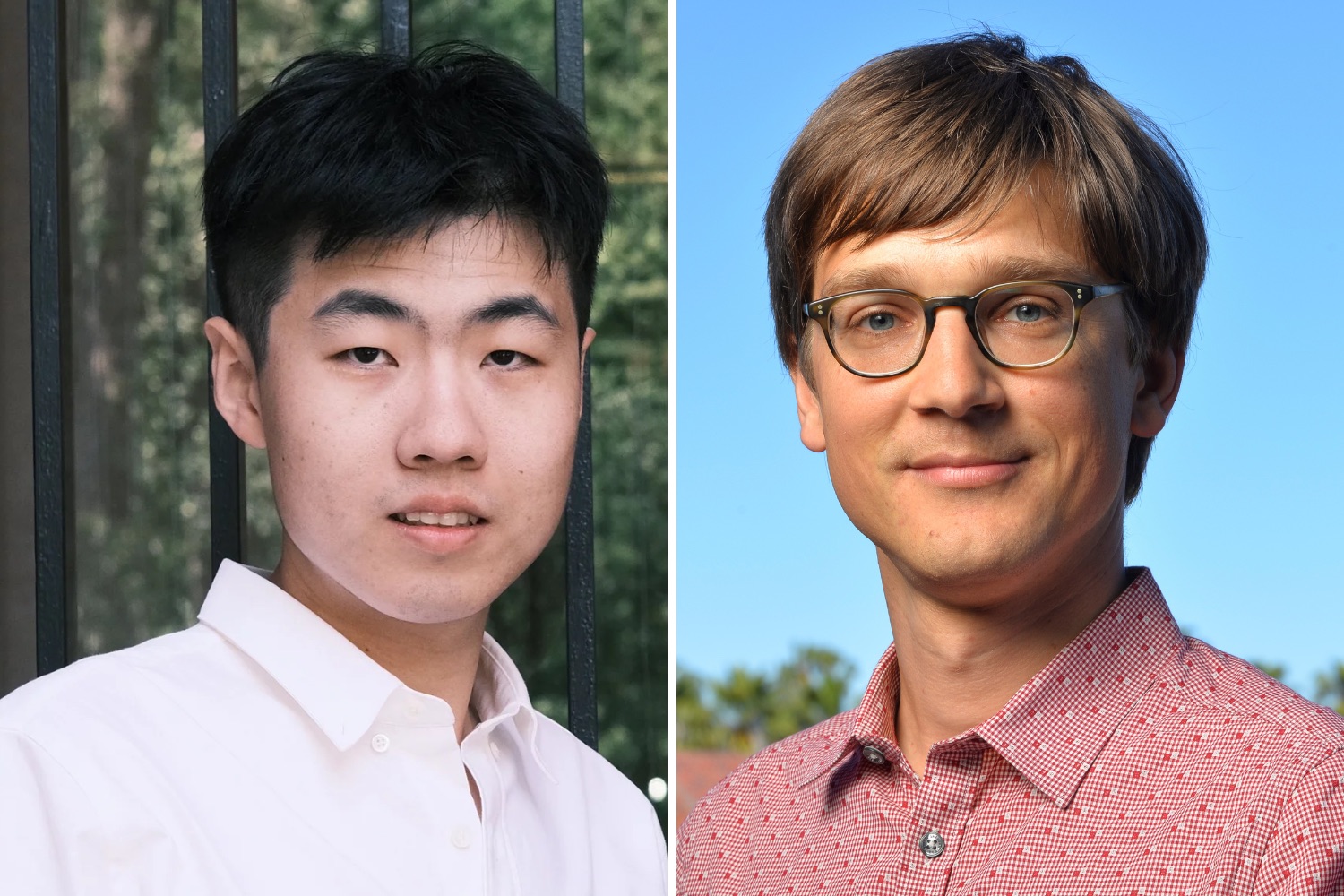
Meet Biomni – an AI-powered biomedical co-scientist
In creating a comprehensive, AI-enabled research agent for the biomedical sciences, Stanford researchers hope to speed innovation by eliminating the tedium of scientific legwork.
BioCoder
Chronicling stories on those who are making biology research and tools more accessible, collaborative, low-cost, and efficient

The Evolution Of The Biohacking Ecosystem | TechCrunch
Silicon Valley efforts in the biology and health domains have recently seen increased public interest because of the questions around the legitimacy of Theranos' technology and medical claims and the recent FDA approvals for a number of 23andMe's genetic screens. These data points are just two of the most visible examples of a broad ecosystem of companies and startups in Silicon Valley working on biological problems.

Stanford creates biological transistors, the final step towards computers inside living cells
Bioengineers at Stanford University have created the first biological transistor made from genetic materials: DNA and RNA. We are now tantalizingly close to biological computers that can detect changes in a cell's environment, store a record of that change in memory made of DNA, and then trigger some kind of response -- say, commanding a cell to stop producing insulin, or to self-destruct if cancer is detected.

Steve Jurvetson on investing industrial biotech at SynBioBeta SF 2013
Panel: Biodesign x AI: Interactions in the Algorithmic Wet Lab
A Look Inside Silicon Valley's Wild Biotech Accelerator IndieBio | TechCrunch
Silicon Valley breeds the kind of people that create computers that fit in the palm of our hands, electric cars that can go hundreds of miles on a single

From Genius Science to Scenius Science - Cosmik Labs
Why personal AI tools might not be all we need to revolutionize science
b.next: rebuilding biology for engineering
Genomics Needs A Killer App | TechCrunch
Genomics has undergone a major shift in the last year. The drop in price in the past decade from $3B to $1K to sequence a genome is the 10X force likely to cause an inflection point in a number of health-related industries. But despite the price, right now genomics is a niche product in large part used in and promoted by academia.

A Biology and Business Worthy of Life – The Paradigm Shift of Organisms and Organisations
I would like in this article to first bring your attention to a project from Stephen L. Talbott who is a Senior Researcher and Publications Editor at The Nature Institute. The project is titled Bio…

Synthetic Biology of Plants and Microbes for Agriculture, Environment, and Future Applications
Agriculture is under pressure to provide food for a growing population and the feedstock required to drive the bioeconomy. Methods to breed and genetically modify plants are inadequate to keep pace. When engineering crops, traits are painstakingly introduced into plants one-at-a-time, combine unpredictably, and are continuously expressed. Synthetic biology is changing these paradigms with new genome construction tools, computer aided design (CAD), and artificial intelligence (AI). “Smart plants” contain circuits that respond to environmental change, alter morphology, or respond to threats. Further, the plant and associated microbes (fungi, bacteria, archaea) are now being viewed by genetic engineers as a holistic system. Historically, plant health has been enhanced by many natural and laboratory-evolved soil microbes marketed to enhance growth or provide nutrients, or pest/stress resistance. Synthetic biology has expanded the number of species that can be engineered, increased the complexity of engineered functions, controlled environmental release, and can assemble stable consortia. New CAD tools will manage genetic engineering projects spanning multiple plant genomes (nucleus, chloroplast, mitochondrion) and the thousands of genomes of associated bacteria/fungi. This review covers advanced genetic engineering techniques to drive the next agricultural revolution, as well as push plant engineering into new realms for manufacturing, infrastructure, sensing, and remediation.

No. 004: HAI AI Index, virtual cell automation, MCP for scientific literature - The Hallway Track
The Hallway Track No. 004 - How AI is affecting the practice of science