

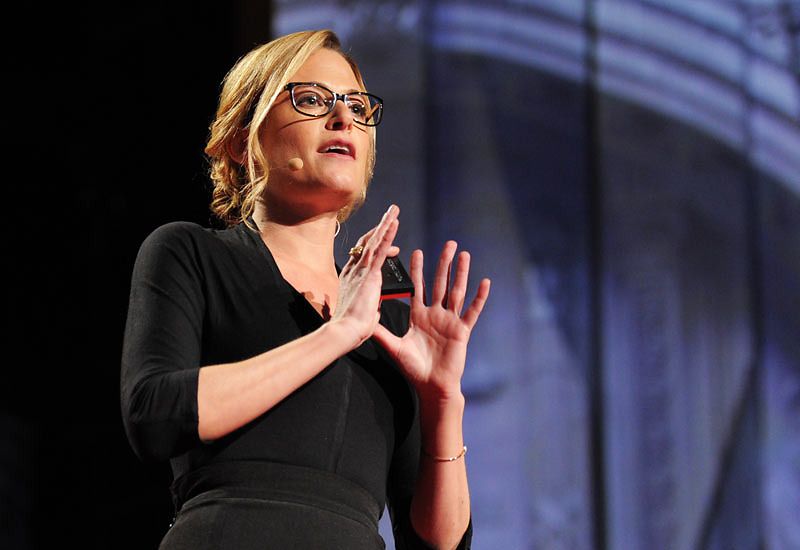
Are we born to be optimistic, rather than realistic? Tali Sharot shares new research that suggests our brains are wired to look on the bright side -- and how that can be both dangerous and beneficial.
AI optimism is a class privilege
I think I have an idea why we're so extremely divided on AI: it's because we have an intuitive sense of who it stands to benefit, and who stands to pay the costs. I think whether you see reason for optimism has a lot to do with which group you see yourself in.
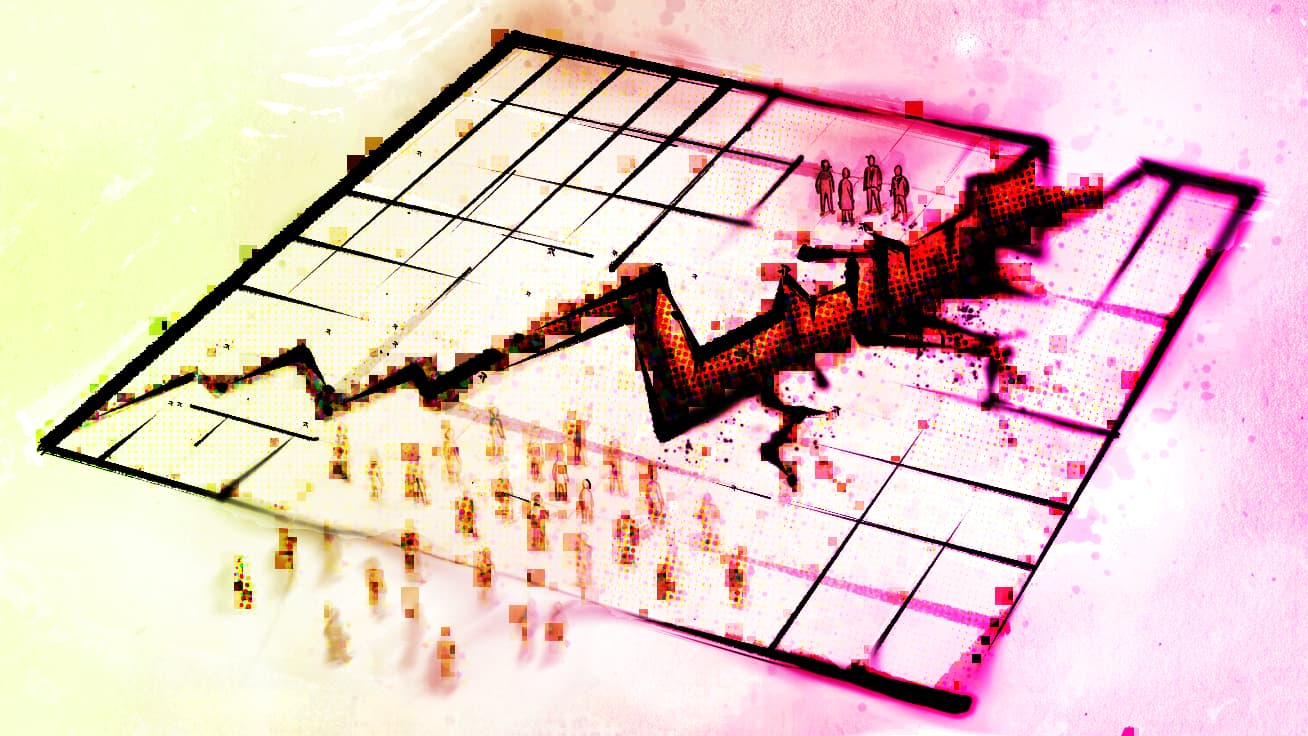
AI Changes Everything
From fear to optimism: why I am convinced AI is worth embracing.

Ali Alkhatib: On techno-optimism
I’ve got a longer draft in the works, but I don’t think that’s going to become a blog post, so I figure it might be useful to publish something here and solicit feedback, or just plant a flag in the ground that this was a thing I did. Last week Several weeks ago I gave a talk at Wayne State University titled “the uncanny pessimism of techno-optimism”. In this post I’m going to breeze through some of the stuff I talked about and give a sense of what’ll be coming. Eventually.
Optimistic Nihilism | Ryan Dahl
This post is in response to the Optimistic Nihilism video by Kurzgesagt. Optimistic Nihilism perfectly describes my perspective on life and the universe. I want to add my interpretation of the philosophy and spice it up with some science fiction ideas.
Museletter #353: Deadly Optimism, Useful Pessimism
What's really needed is a realistic sense of what's possible, and a dogged determination to heal division, protect nature and culture, and build sustainable alternatives.
Ali Alkhatib: On techno-optimism
On technological optimism and technological pragmatism
"There are no guarantees that things are going to turn out very well for anyone.”
On technological optimism and technological pragmatism
"There are no guarantees that things are going to turn out very well for anyone.”
On technological optimism and technological pragmatism
"There are no guarantees that things are going to turn out very well for anyone.”
Why We Fear AI: On the Interpretation of Nightmares — Common Notions Press
Industry insiders Hagen Blix and Ingeborg Glimmer dive into the dark, twisted world of AI to demystify the many nightmares we have about it. They combine expertise in cognitive science and machine learning with political and economic analyses to cut through the hype and technobabble to show how fears about AI reflect different economic realities.

Optimistic Computing
I recently made two new friends: Abhinav Omprakash and Dawn Walker. Abhinav said I’m an optimist and I should write about it. Dawn said I shouldn’t try to coin any new terms. I should know better, but this essay follows Abhinav’s recommendation — and credits Dawn, in the very likely event I should have followed her advice instead. I have been alive for approximately four decades. Each of those decades was witness to its own fun brand of computering.
Selective Optimism: a critique of AI 2040
Some context for this post: I’ve been working part-time as a consultant for the AI Futures Project over the last year.
New Stanford Study: A Positive Attitude Literally Makes Your Brain Work Better
A new brain scan study has revealed exactly how positivity affects the brain (and it's impressive).

Can We Hillclimb To Heaven?
Standing on a precarious ridge I have the misfortune to be an optimist. It has led to some terrible investments and a few excellent life choices. In the present state of the world I cannot tell you whether the optimists or the pessimists are ahead on points. Here is how

Are We Betting on the Wrong Kind of Intelligence?
AI optimizes for the world as it was. Rewilding could be what prepares us for the world as it is.
How human–AI feedback loops alter human perceptual, emotional and social judgements
Artificial intelligence (AI) technologies are rapidly advancing, enhancing human capabilities across various fields spanning from finance to medicine. Despite their numerous advantages, AI systems can exhibit biased judgements in domains ranging from perception to emotion. Here, in a series of experiments (n = 1,401 participants), we reveal a feedback loop where human–AI interactions alter processes underlying human perceptual, emotional and social judgements, subsequently amplifying biases in humans. This amplification is significantly greater than that observed in interactions between humans, due to both the tendency of AI systems to amplify biases and the way humans perceive AI systems. Participants are often unaware of the extent of the AI’s influence, rendering them more susceptible to it. These findings uncover a mechanism wherein AI systems amplify biases, which are further internalized by humans, triggering a snowball effect where small errors in judgement escalate into much larger ones.
