

A huge flowering of creativity is focused on the minor inconveniences of the cash-rich and time-poor. That’s why we need proper funding for science
science funding and the cherry picking problem
Science publishing–like all of science–requires money. There’s no getting around it, even with the open science movement. What appears free to many authors and readers still requires money and infr…

The High Cost of Not Doing Experiments - Behavioral Scientist
We can pay dearly, in blood, treasure, and well-being, for experiments that aren’t done. -Richard Nisbett, Mindware

ETCH
We believe technology should serve humanity and that human creativity is essential and irreplaceable. We support the ethical development and deployment of AI by funding protective technologies and translating research into real-world tools for creative communities.

'Our minds can be hijacked': the tech insiders who fear a smartphone dystopia
The Google, Apple and Facebook workers who helped make technology so addictive are disconnecting themselves from the internet. Paul Lewis reports on the Silicon Valley refuseniks who worry the race for human attention has created a world of perpetual distraction that could ultimately end in disaster
Technology without Industry
A home for poorly researched ideas that I find myself repeating a lot anyway
Facebook’s war on free will
The long read: How technology is making our minds redundant
Care at the Edge of Automation – Topos Institute
Technologies don’t just solve problems, they change us. We invent technologies, and they invent us in turn, shaping our lives and worlds. This is the phenomenon that Terry Winograd and Fernando Flores, in Understanding Computers and Cognition (1986), called “ontological design.” It matters now more than ever—along with a second lesson they saw clearly. Technological research is always guided (and sometimes misguided) by deep ontological assumptions about, e.g., the nature of cognition, agency, and communication. If we are to create technologies that truly serve human flourishing and care, we must bring these hidden assumptions into the open and question them at their roots.

How tiny experiments can set you free | Anne-Laure Le Cunff | TEDxNashville | Transcript
When Dr Anne-Laure Le Cunff was told she might die, her first instinct was to check her calendar. In this talk, she reveals how our desperate need for control keeps us stuck and how tiny experiments can set us free. Dr Anne-Laure Le Cunff is a neuroscientist, author, and entrepreneur who studies curiosity – both in the lab and in life. Her research at King’s College London explores how our brains seek, learn, and adapt, spanning areas from ADHD to AI and mental health. She founded Ness Labs, a science-based learning platform helping people live more experimental lives. Her bestselling book Tiny Experiments offers a practical guide to transforming uncertainty into curiosity, creativity, and self-discovery. Through her research and writing, she bridges science and everyday life, showing how curiosity can help us loosen control, embrace change, and uncover who we truly are.
OpenAI, Google, and Microsoft Back Bill to Fund ‘AI Literacy’ in Schools
A new bill introduced by Senators Adam Schiff and Mike Rounds would award grants to the National Science Foundation—which has endured massive funding cuts under the Trump Administration for science research—to put “AI literacy” in schools.

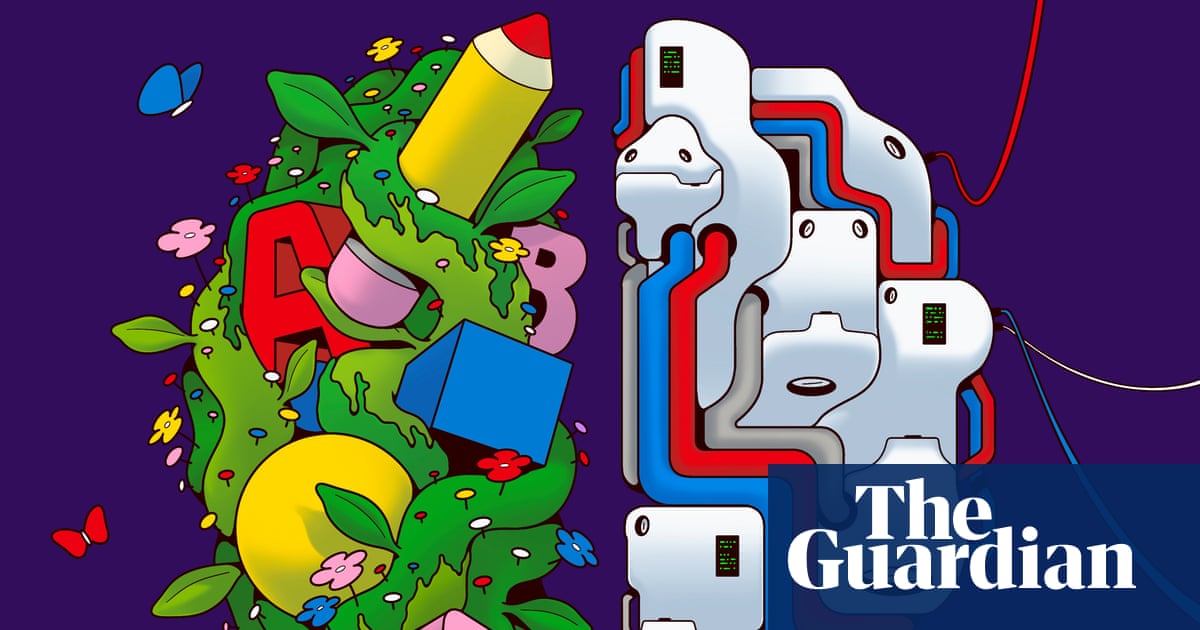
‘I hate what AI is doing to the minds and happiness of the young’: Katherine Rundell on the view from the classroom
Education is at a crossroads, argues the author and academic. Should we embrace new technology in the name of efficiency, or is it time to fight back?
Don't Take the Black Pill - Andrew Kelley | SSW 2026
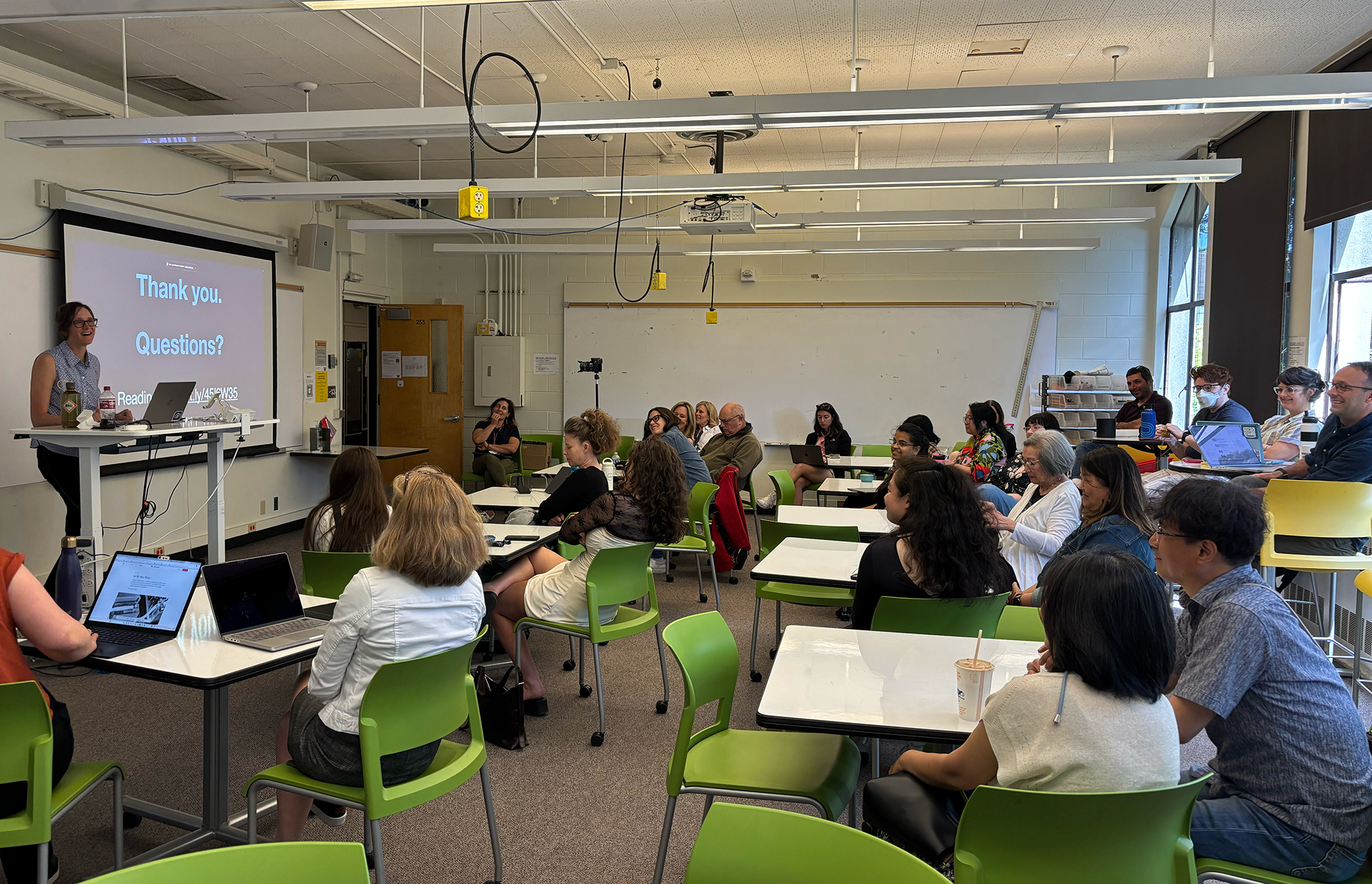
Foundations & Futures of HCI: a teach-in with Professor Kate Starbird
As part of HCDE’s 2025 graduation events, Professor Kate Starbird delivered a special teach-in exploring the foundations and future of human-computer interaction. Starbird traced how the technologies we use every day emerged from federally funded research, and emphasized the continued importance of inclusive, human-centered research. Her talk urged graduates and guests to recognize the role of public investment in shaping technology that serves people.
Cognitive Gadgets Theory Might Change Your Mind—Literally
A book by Cecilia Heyes gives teacher-educators something to think about

Edge.org
"Nothing In Life Is As Important As You Think It Is, While You Are Thinking About It"
AI and the Future of Science
