

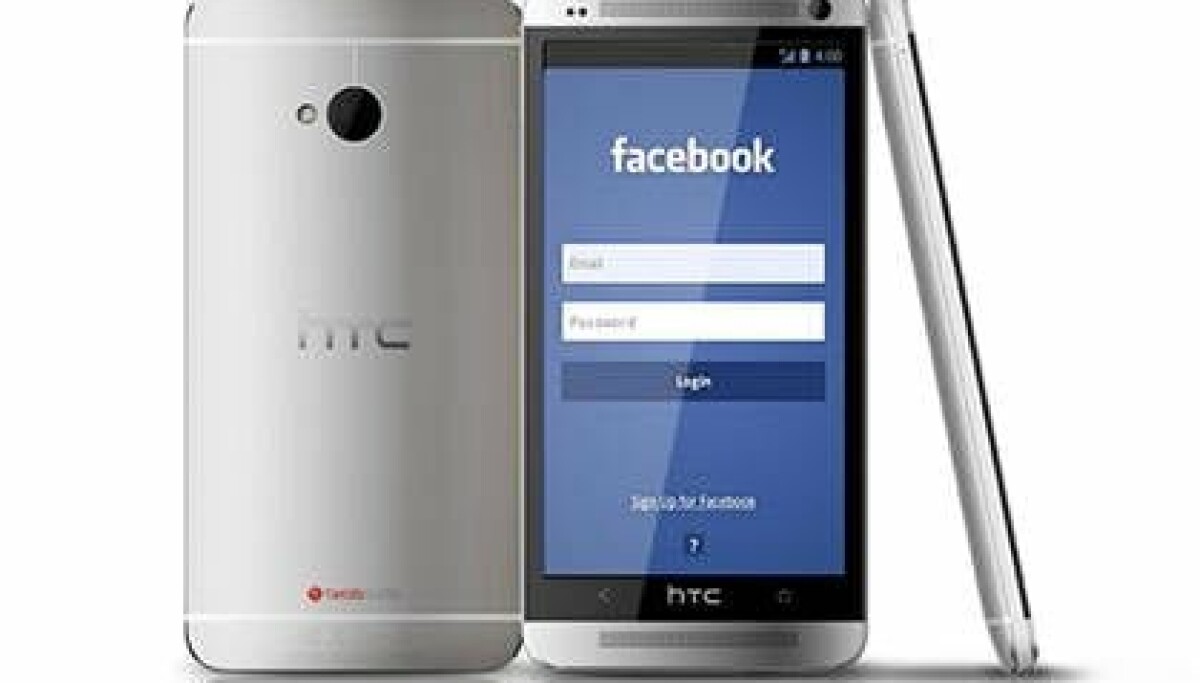
: All the rest is just waffle
Facebook Data Privacy Scandal: A Cheat Sheet - TechRepublic
Read about the saga of Facebook's failures in ensuring privacy for user data, including how it relates to Cambridge Analytica, the GDPR, the Brexit campaign, and the 2016 US presidential election.
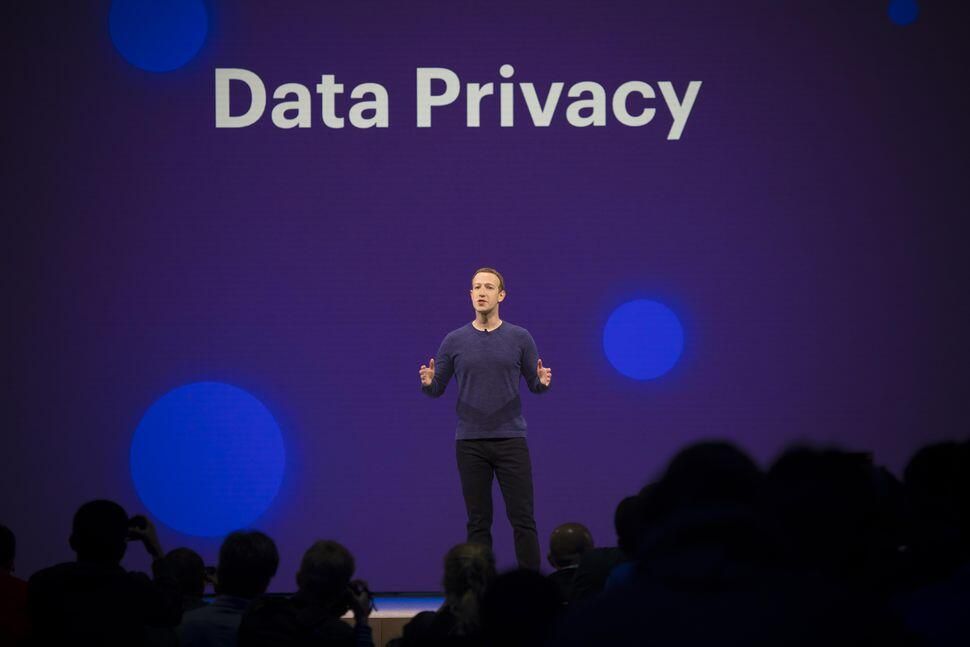
Opinion | Zuckerberg’s So-Called Shift Toward Privacy (Published 2019)
Facebook is happy to protect user data when doing so decreases the company’s civic responsibilities — but not when it threatens advertising revenue.

Who Has More of Your Personal Data Than Facebook? Try Google
Google’s data-gathering empire is bigger and more pervasive than Facebook’s—and while it hasn’t been plagued by scandal, it can’t evade scrutiny forever.

Are you ready? This is all the data Facebook and Google have on you | Dylan Curran
The harvesting of our personal details goes far beyond what many of us could imagine. So I braced myself and had a look

What Data Does Facebook Collect When I’m Not Using Facebook, and Why? | Hacker News
Facebook tracks virtually every website you visit, as well as usage data from many apps, even if you aren't logged in to facebook or don't have an account. We use this data, and tie it to your identity whenever possible, so we can charge advertisers more money.
Government requests for Facebook user data continue to increase worldwide | TechCrunch
Facebook continues to see increased requests for user data from governments worldwide, according to its latest transparency report. The social network

Who Even Cares About Data Ownership Anyway? - What The Function!?
Taking a look at a concept that's been talked a lot over the last few years, especially in the context of social media
Who Even Cares About Data Ownership Anyway? - What The Function!?
Taking a look at a concept that's been talked a lot over the last few years, especially in the context of social media
Facebook-Cambridge Analytica: A timeline of the data hijacking scandal
Facebook is desperately trying to mend its damaged reputation following the continued fallout of a massive data scandal.
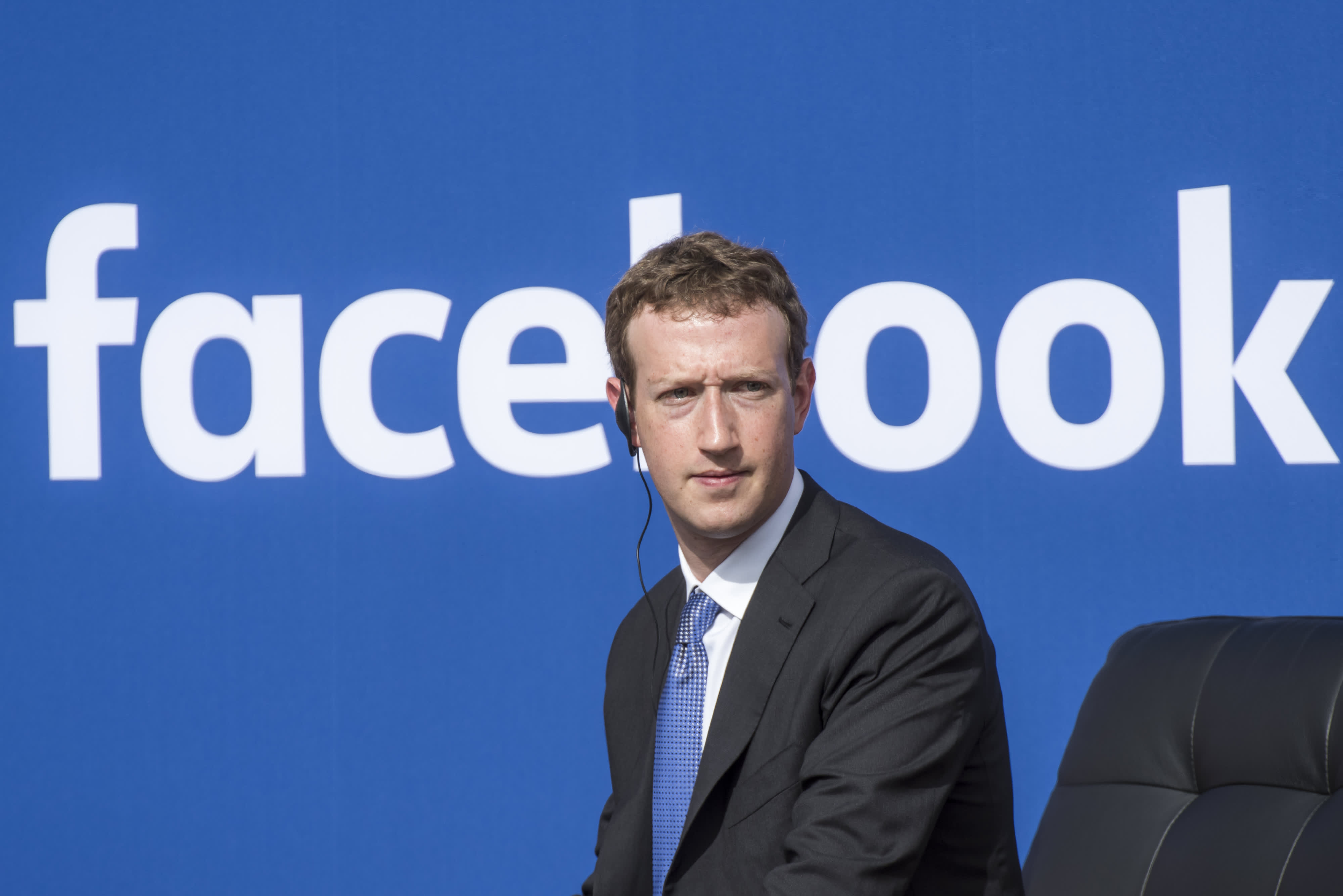
Facebook’s newest privacy problem: ‘Faceprint’ data
A court case moves forward over whether the social network is breaking the law for not asking your explicit permission for scanning and storing your facial features.

553,000,000 Reasons Not to Let Facebook Make Decisions About Your
Another day, another horrific Facebook privacy scandal. We know what comes next: Facebook will argue that losing a lot of our data means bad third-party actors are the real problem that we should
europe-v-facebook.org
According to European data protection law every individual has the right to get a copy of all personal data a company holds about him (right to access). This law is applicable to Facebook too. Every user with a residence outside of the US and Canada has a contract with “Facebook Ireland Limited”, based in Dublin, Ireland and has a right to access therefore. (Again: Anyone outside of the US or Canada has the right to access!)
EU: Don’t use Facebook if you want to keep the NSA away from your data
Court case could make it harder for US companies to take personal data out of EU.

Constructing and enforcing "authentic" identity online: Facebook, real names, and non-normative identities
Despite the participatory and democratic promises of Web 2.0, many marginalized individuals with fluid or non-normative identities continue to struggle to represent themselves online. Facebook users, in particular, are told to use “authentic identities,” an idea reinforced throughout the site’s documentation, “real name” and other policies, and in public statements by company representatives. Facebook’s conception of authenticity and real names, however, has created problems for certain users, as demonstrated by the systematic deactivation of many accounts belonging to transgender and gender variant users, drag queens, Native Americans, abuse survivors, and others. In view of the struggles of marginalized users, Facebook policy appears paradoxical: the site simultaneously demands authenticity yet proscribes certain people from authentic self-presentation. In this work, we examine Facebook’s construction of “authenticity” and show how it excludes multifaceted, fluid, or non-normative identities. Using content analysis and close reading, we analyze site documentation and data from The Zuckerberg Files (an online archive of Facebook founder and CEO Mark Zuckerberg’s public remarks) to understand the platform’s mechanisms for enforcing authenticity. We find that Facebook positions itself as a type of administrative identity registrar, raising vital questions regarding the ethics and consequences of identity enforcement online today.
Facebook Fact Checks Were Never Going to Save Us. They Just Made Liberals Feel Better.
Billionaires gonna billionaire — and lick the boots of whoever will bring them more riches and impunity.
