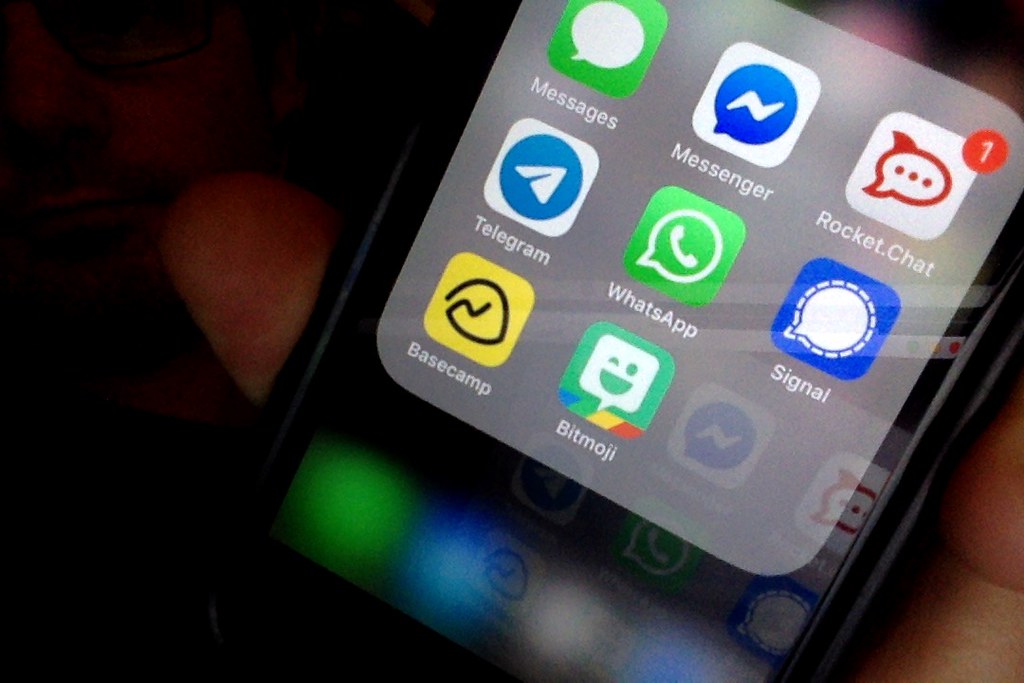
Can we endure even one more communications service?
Decentralized Social Media for 40 Million+ Users (with Bluesky’s Jay Graber)
Quiet - Private messaging. No servers.
Quiet is available for all major platforms. (And eventually the web, too!)

Quiet - Private messaging. No servers.
Quiet is available for all major platforms. (And eventually the web, too!)
The Trump Administration Group Chat, Signal: The Coke of Secure Messaging, Transparency Versus Security
The Trump administration’s Signal gaffe raises fascinating questions about secure messaging and the trade-off inherent in transparency.

A Theory of Messaging Styles & Ghosting.
Online communication tools serve many purposes. So does silence.

Open Letter: Communications Infrastructure Is Not Terrorism

Data centers have a political problem — and Big Tech wants to fix it
A growth engine for the economy is becoming a political albatross. Can messaging change that?

Money as Message | Andreessen Horowitz
Network effects — where a product or service becomes more valuable to its users as more people use it — are one of the key ways software businesses maintain a better product and more defensible market position. This is especially true of messaging apps like WeChat — which, as I’ve argued before, is not just...

Bill C-22’s Groundhog Day: Why the Government’s Dismissal of Signal, Apple and the U.S. Congress Concerns Runs Back the Disastrous Online News Act Playbook - Michael Geist
Secure messaging service Signal yesterday became the latest company to warn that Bill C-22, the lawful access bill, could force it to leave the Canadian market rather than comply with provisions it says would compromise its end-to-end encryption and create new cybersecurity risks. Signal vice-president Udbhav Tiwari told the Globe and Mail that the company “would rather pull out of the country than be compelled to compromise on the privacy promises we have made to our users.” The comments are part of a steady stream of similar warnings from Apple, Meta, the Canadian Chamber of Commerce, the Cybersecurity Advisors Network, and the chairs of the U.S. House Judiciary and Foreign Affairs Committees. Despite growing concern, the government’s response has been to launch a misleading social media campaign and repeatedly insist that the experts and companies are mistaken.
The nerds are building a new internet, and I could feel it in the room
The AT Protocol is a quiet attempt to rebuild social software the way email was built — open, portable, owned by no one. A meetup in Portland this week made the stakes feel real.

Honest Communication Kills Weaponized Incompetence
It’s only human to need help — but we have to be able to admit it.

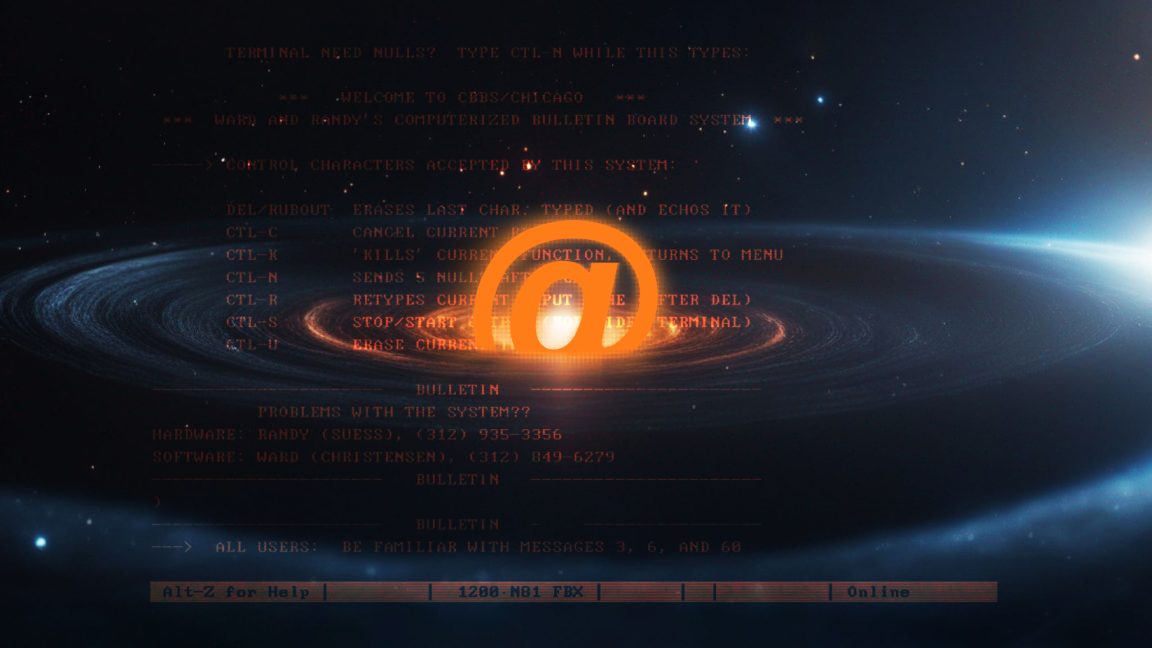
First post: A history of online public messaging
From BBS to Facebook, here’s how messaging platforms have changed over the years.
Signal Messenger: Speak Freely
Say "hello" to a different messaging experience. An unexpected focus on privacy, combined with all of the features you expect.
The State Department’s X Directive and the End of Platform Independence
A cable endorsing a social media platform by name as a tool of U.S. diplomacy and military psychological operations would have been unthinkable—until recently.