


Rethinking the Architecture of Webmaker
A few weeks back a bunch of us at Mozilla had a design sprint to begin thinking through what it would mean for someone to come to Webmaker....

The Elephant in the Room: Web design work is drying up | Hacker News
- A "web designer" or "web developer" used to be a generalist who wrote HTML, CSS, and some jQuery. Now there's a demand for specialization: a UI/UX designer who can prototype, iterate quickly, and use real data if possible, and a UI/UX engineer who can develop large-scale apps with an eye towards security, performance, reusability, and maintainability.
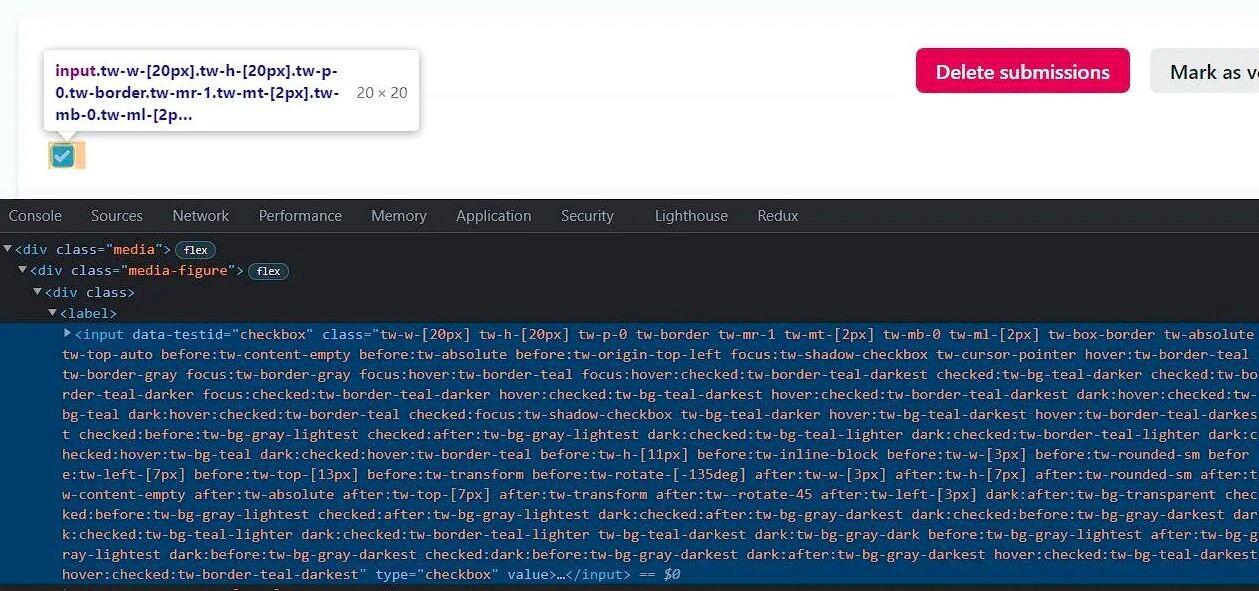
Tailwind, and the death of web craftsmanship • pdx.su
There's a worrying trend in modern web development, where developers are throwing away decades of carefully wrought systems for a bit of perceived convenience. Tools such as Tailwind CSS seem to be spreading like wildfire, with very few people ever willing to acknowledge the regression they bring to our field…
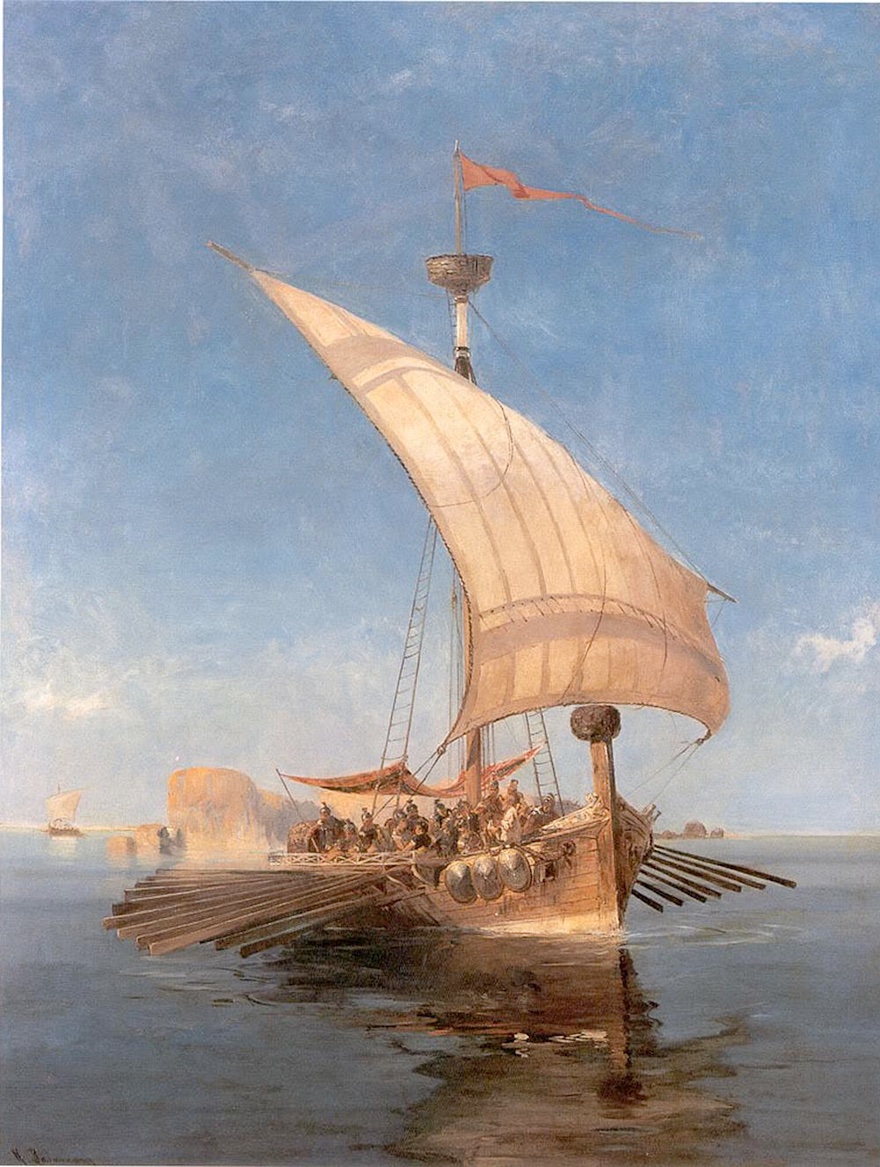
Webdesign as architecture
An attempt at modelling digital design as a form of psychological architecture, taking the form of a single HTML document.
Building The Next Web
This is the kick-off post in a series in which I'm going to explore things that we could change about the Web. The odds are pretty good that I will be wrong, possibly even very wrong. You're going to dislike some, or perhaps all of it! My point isn't to jump straight into building these ideas — even though I do believe they point in a better direction and are feasible — but rather to break out of the incrementalist rut and stagnant vision that the Web finds itself mired in. It's not in a good place and I feel the need for more vision work and much more thinking about architectural interventions that can bring about radical change.
The Better Web / The Human Web / The Living Web
A response to Aaron Parecki's response: on the false dichotomy of rewriting with Claude or shutting down, why 'understanding matters more than tools' sever…

Weird things engineers believe about Web development
I wrote most of this post sometime in 2022 but I think it holds up alright in 2024 so I decided to publish it for posterity. I don’t really like doing posts like this—I’d much rather share some innocuous learnings or tips but it turns out I have opinions too 😓 Sorry! 2024-02-21: I’ve added a few reflections at the end of the post. 2024-04-27: Developpez.com has produced a French translation of this post. Since I quit Mozilla and went back to full-time Web development, I’ve discovered a few surprises. It turns out Web development is actually pretty hard, Web developers are actually very smart, and some of these frameworks and techniques we mocked as browser engineers aren’t so bad. Oops. At the same time, it turns out some Web developers have ideas about browsers and the Web that, as a former browser engineer and standards editor, I’m a bit dubious of. Here are a few of the things that surprised me.

Paco Coursey
Crafting interfaces. Webmaster at Linear. Building polished software and web experiences.

The A.I.-Design Aesthetic That’s Taking Over the Internet
How Anthropic’s new tool, Claude Design, is creating overnight web-design clichés.


The Web Is More Than Enough, by Paul Ford
Web browsers enable incredibly rich app development—and that’s radically easier than it used to be.

Open Standard for Web Literacy: A Vision for Webmaker
We’ve been doing a lot of planning and brainstorming and chatting about what Webmaker will look like in 2013. There are lots of good ideas floating around that you can see from a bunch of my colleagues here, here, here and here.

Toward Wayfinding Infrastructure for the Living Web · Atlas Research Group
Our world is getting crazier by the day. Our old maps and compasses weren’t made for this complexity. While new tools may open up amazing possibilities, they also make it easier to lose ourselves – especially when they don’t belong to us, and make us vulnerable to other people’s hidden choices and unsavory intentions about what is worth attending to.
