

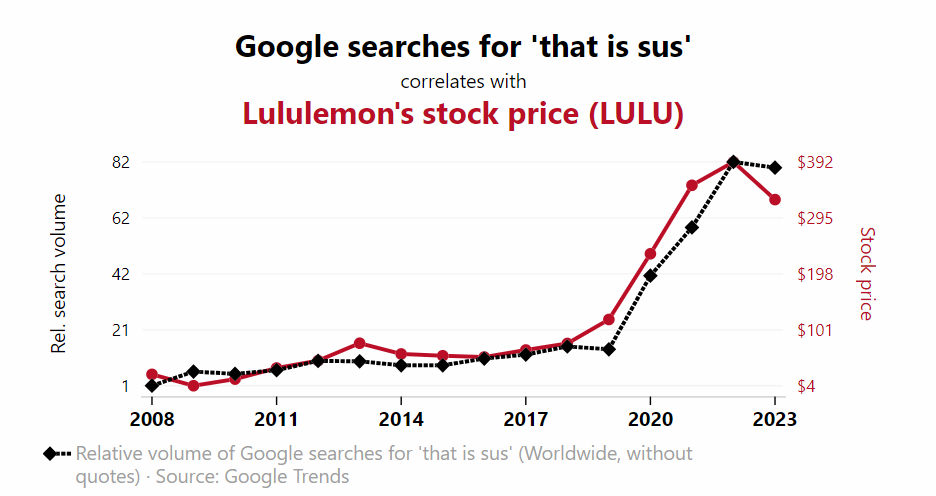
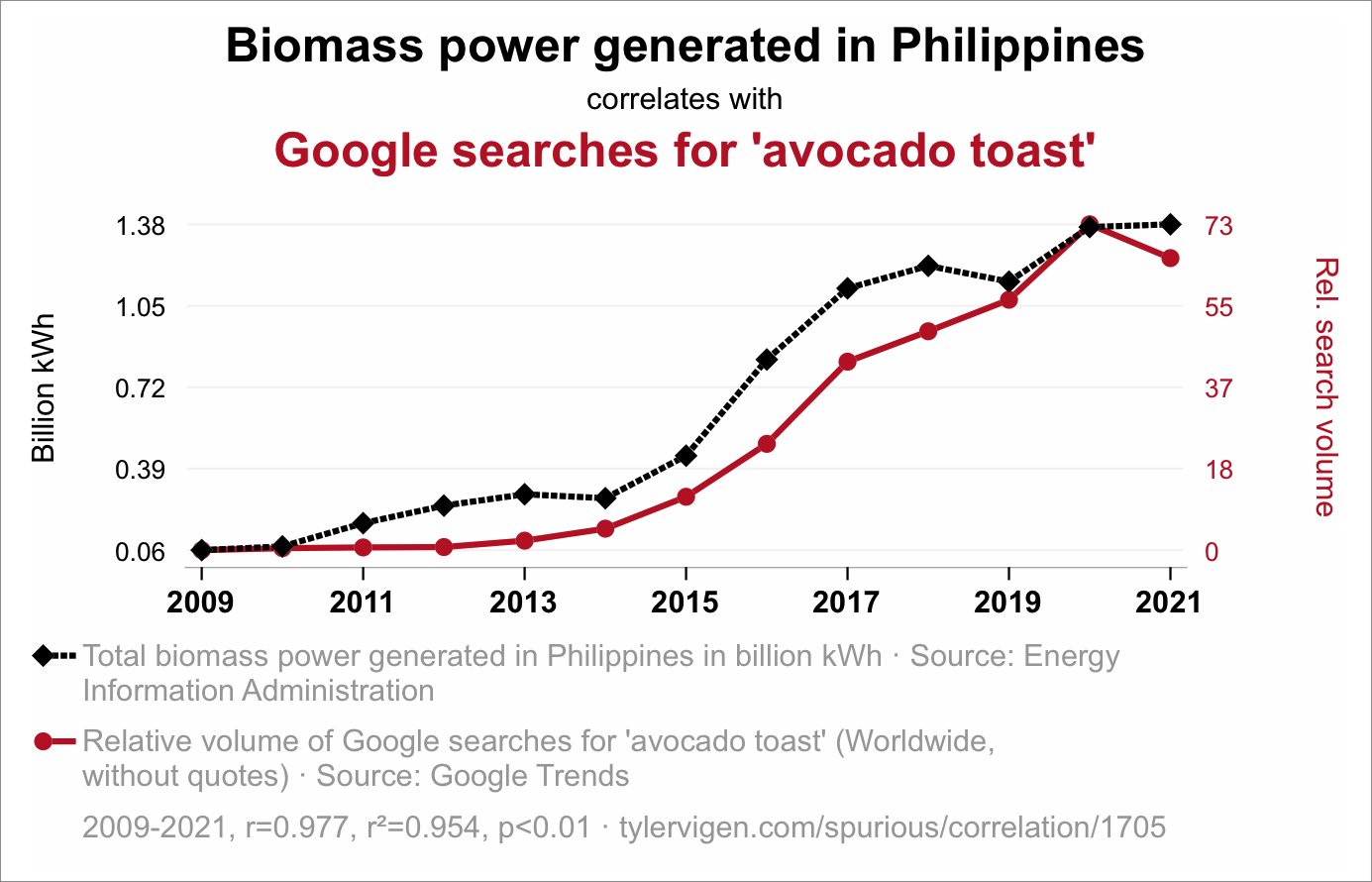
Correlation is not causation: thousands of charts of real data showing actual correlations between ridiculous variables.
Spurious Correlations
For his Spurious Correlations project, Tyler Vigen compares data sets that are the very definition of “correlation is not causation”. For instance, the number o
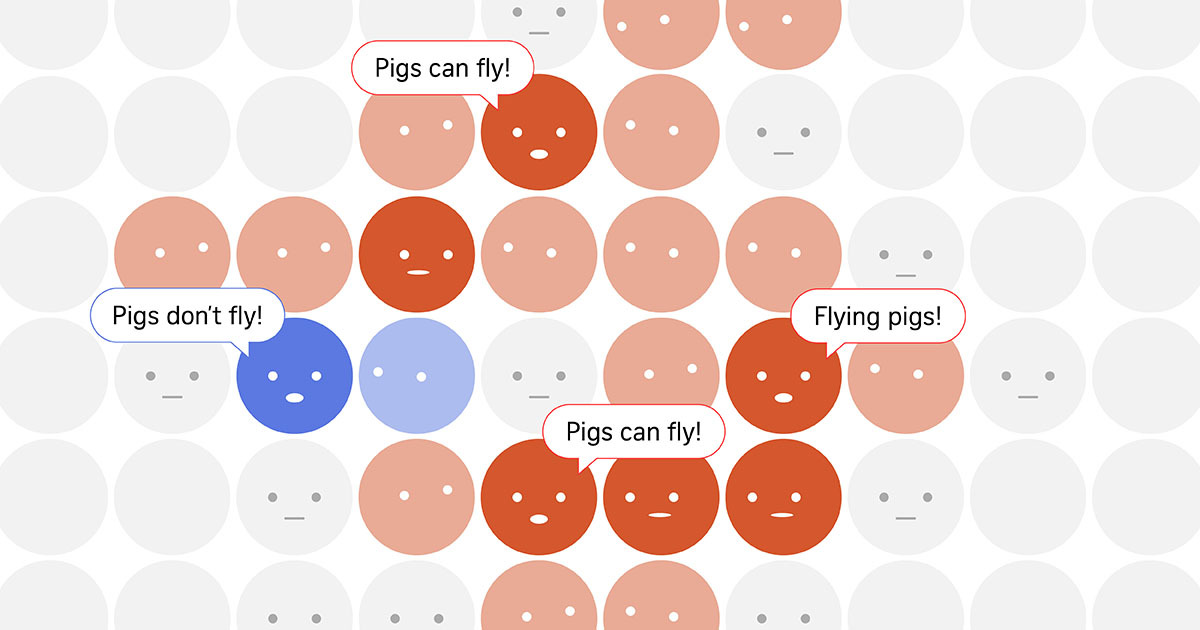
Fake news spreads like an epidemic. Here’s how to stop it.
Researchers study fake news the same way they study the spread of disease. When misinformation “goes viral”, it is not just a metaphor. It is what’s actually happening. via @straits_times str.sg/viz-misinformation
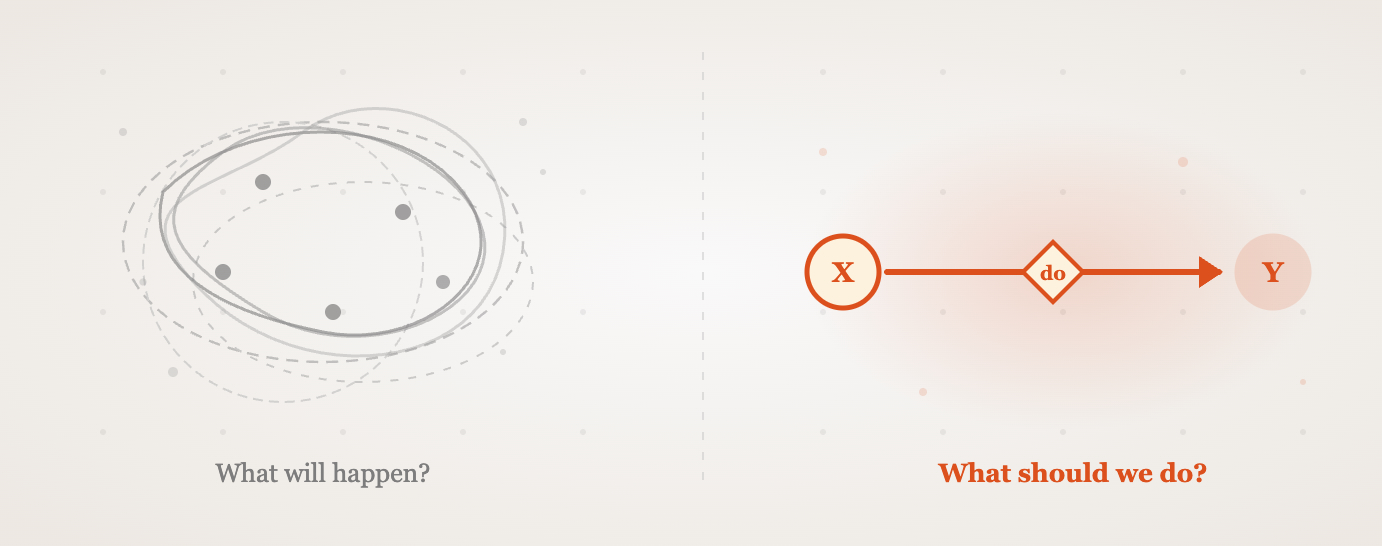
Causal Inference Is Eating Machine Learning
Your most accurate model might be your most dangerous one.
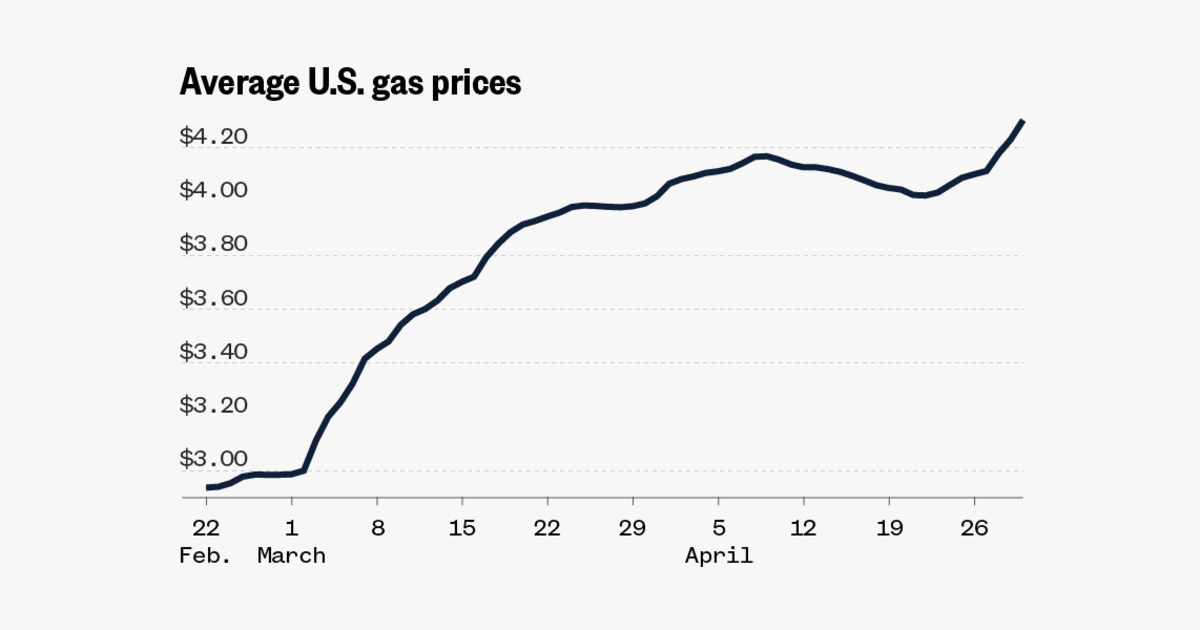
Data: Track state and national gas prices
Gas prices across the country, after declining much of April, are spiking again.
Fakebook: Using Data Science to Spot Fake News
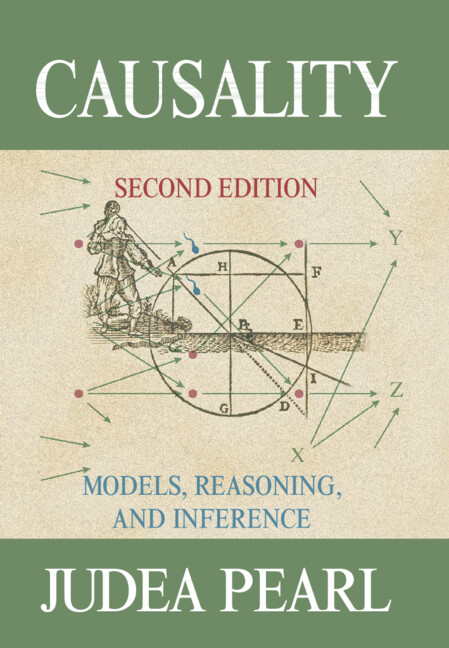
Causality
Written by one of the preeminent researchers in the field, this book provides a comprehensive exposition of modern analysis of causation. It shows how causality has grown from a nebulous concept into a mathematical theory with significant applications in the fields of statistics, artificial intelligence, economics, philosophy, cognitive science, and the health and social sciences. Judea Pearl presents and unifies the probabilistic, manipulative, counterfactual, and structural approaches to causation and devises simple mathematical tools for studying the relationships between causal connections and statistical associations. Cited in more than 2,100 scientific publications, it continues to liberate scientists from the traditional molds of statistical thinking. In this revised edition, Judea Pearl elucidates thorny issues, answers readers' questions, and offers a panoramic view of recent advances in this field of research. Causality will be of interest to students and professionals in a wide variety of fields. Dr Judea Pearl has received the 2011 Rumelhart Prize for his leading research in Artificial Intelligence (AI) and systems from The Cognitive Science Society.
How to Lie with Data Visualization
Three common ways data visualizations can mislead.

Littlewood’s Law and the Global Media
Selection effects in media become increasingly strong as populations and media increase, meaning that rare datapoints driven by unusual processes such as the mentally ill or hoaxers are increasingly unreliable as evidence of anything at all and must be ignored. At scale, anything that can happen will happen a small but nonzero times.

How People Weave Online Information Into Pseudoknowledge
Misinformation has found a new natural habitat in the digital age. Thousands of forums, blogs, and alternative news sources amplify fake news and inaccurate information to such a degree that it impacts our collective intelligence. Researchers and policy makers are troubled by misinformation because it is presumed to energize or even carry false narratives that can motivate poor decision-making and dangerous behaviors. Yet, while a growing body of research has focused on how viral misinformation spreads, little work has examined how false narratives are in fact constructed. In this study, we move beyond contagion inspired approaches to examine how people construct a false narrative. We apply prior work in cognitive science on narrative understanding to illustrate how the narrative changes over time and in response to social dynamics, and examine how forum participants draw upon a diverse set of online sources to substantiate the narrative. We find that the narrative is based primarily on reinterpretations of conventional and scholarly sources, and then used to provide an alternate account of unfolding events. We conclude that the link between misinformation, conventional knowledge, and false narratives is more complex than is often presumed, and advocate for a more direct study of this relationship.

Fakebook: Using Data Science to Spot Fake News
As fake news permeates throughout social media outlets (like Facebook), it's more important than ever to identify what is fact vs. fiction. This is especially true in the age of COVID where the spread of misinformation can impact the spread of the virus. Data scientists are emerging on the front lines of this fight, using programs to help them identify fake news sources. Led by Dr. Teon Brooks, Josh Modeste, and Steven Azeka from the Gotham Data Clinic (fka CiELabs), this workshop will explore the “life cycle” of scientific research and how scientists come to consensus about how we interpret data. We’ll examine what to look for in credible news sources, and the consequences of leaning on not-so-trusty pseudoscientific sources. Then you’ll put that knowledge to work by developing a rubric for identifying fake news. No experience necessary! https://www.eventbrite.com/e/fakebook-using-data-science-to-spot-fake-news-tickets-137833492687
Let's normalize debunking each other
The spread of misinformation has become an epidemic, but information hygiene can help.
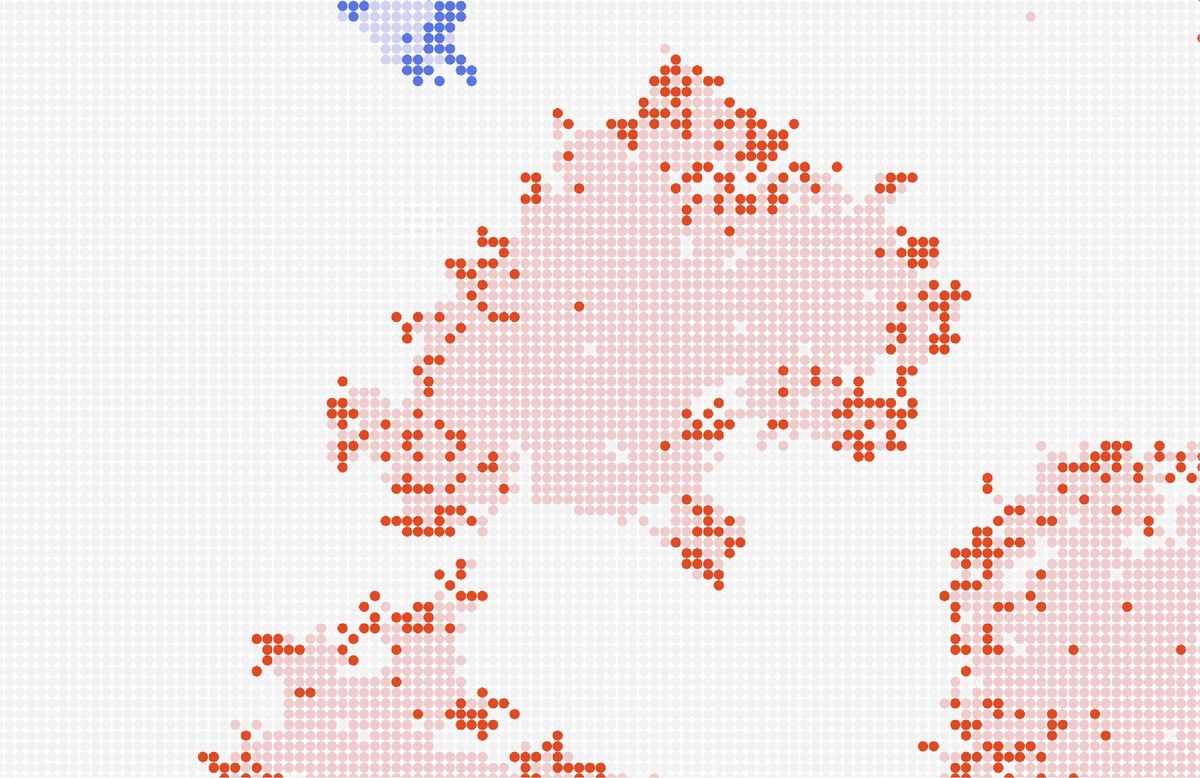
Capturing our Attention
What are the harms of misinformation? It’s widely believed that it causes false belief, including false beliefs in quite bizarre claims. I argue that this threat is greatly exaggerated: while plaus...

Stop trusting the extinction math
The AI industry's favourite 'statistic' isn't backed by data. And it distracts from what's really going on.
This is crazy! The data from the study show patterns that make it nearly impossible for it to be legit. But we can learn a lot from the tone of the comments. "We have concerns about [x], please clarify." Out in the wild, this would be THESE IDIOTS FAKED THEIR STUDY!!

Health Nerd
This is one of the most remarkable academic debacles I've ever seen. A large RCT got published in BMJ. There are currently 44 Pubpeer comments, mostly about the data, including...well. Read for yourself. pubpeer.com/publications/C08779C45DB6E407…

