When it debuted in 1964, the Action Office was supposed to be revolutionary. It was supposed to set office workers free. Instead, it became the modern office cubicle you call hell.
Every Hell - The People’s Republic Of Hell | EP Review - Noizze UK
On their second EP, Every Hell are still finding their shape. But when it lands, it's strong enough to crack the pavement.
The Myth of the Paperless Office
Over the past thirty years, many people have proclaimed the imminent arrival of the paperless office. Yet even the World Wide Web, which allows almost any co...
Episode 386: The Power of Free
Everybody likes free. But free can be dangerous. On today's show, what happens when you take something that was free and give it a price. That's a highly risky move and the damage can be enormous.

Against Usefulness
In a Brooklyn warehouse, a man handed me a piece of paper that was a running computer program.
Hell/a Mexican — Oakland Public Library
Hell/a Mexican — Madrigal Galindo, Kevin, — "Hell/a Mexican is an appreciation of the tragicomedy that is existing on American soil with foreign roots. These stories shed light on the boundless experience of living and learning through your identity. This collection, much like us, reaches for hope: sometimes we find it, sometimes we don't."--Back cover.
Operation Voder: AT&T, Bell Labs, and the Labor of Techno-Utopia at the 1939 New York World’s Fair
This article explores the labor demands of the Voder, the electrical speech synthesis machine developed by Bell Labs for AT&T’s 1939 New York World’s Fair exhibit. The article situates the Voder within the historical context of the fair, with the United States emerging from the Great Depression and political tensions escalating across the globe. By examining the decision to incorporate the machine’s young female operators into the exhibit, the article argues that AT&T executives used Voder operators to normalize a new vision of technological utopia that relied heavily and conspicuously on the infrastructural labor of women. Moreover, the article highlights the previously unacknowledged engineering contributions of Voder operators in the years before the fair, writing women into the origin story of a machine that laid critical groundwork for speech recognition and voice encryption technology.
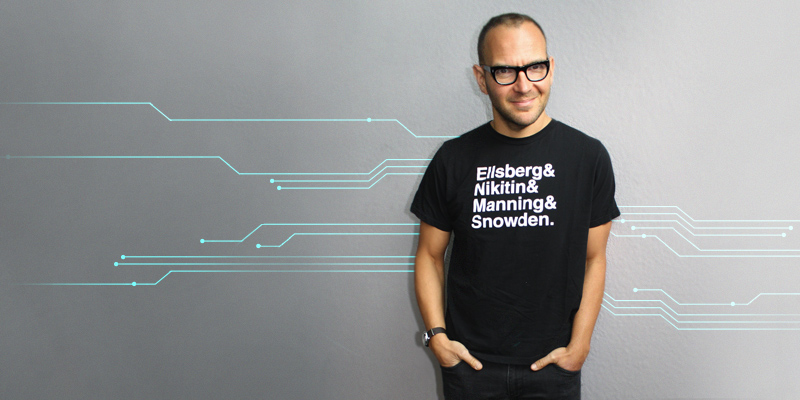
Commentary: Cory Doctorow: Hell Is Other People - Locus
So this is hell. I'd never have believed it. You remember all we were told about the torture-chambers, the fire and brimstone, the 'burning marl.' Old wives' tales! There's no need for red-hot pokers. HELL IS – OTHER PEOPLE! –Jean Paul Sartre, No Exit Sartre was (arguably) an optimist. It's not that other people are unpleasant: quite the contrary! There's nothing that makes the day (or, pointedly, the night) …Read More
Private Office
Z-Space currently has one private office available. Unit 303 has a call room, a board room that can be booked for meetings, and a private office, as well as a small waiting area / foyer.

Chile: fighting fires for free - The World from PRX
How adrenaline junkies ended up staffing Chile's firehouses — for no pay.

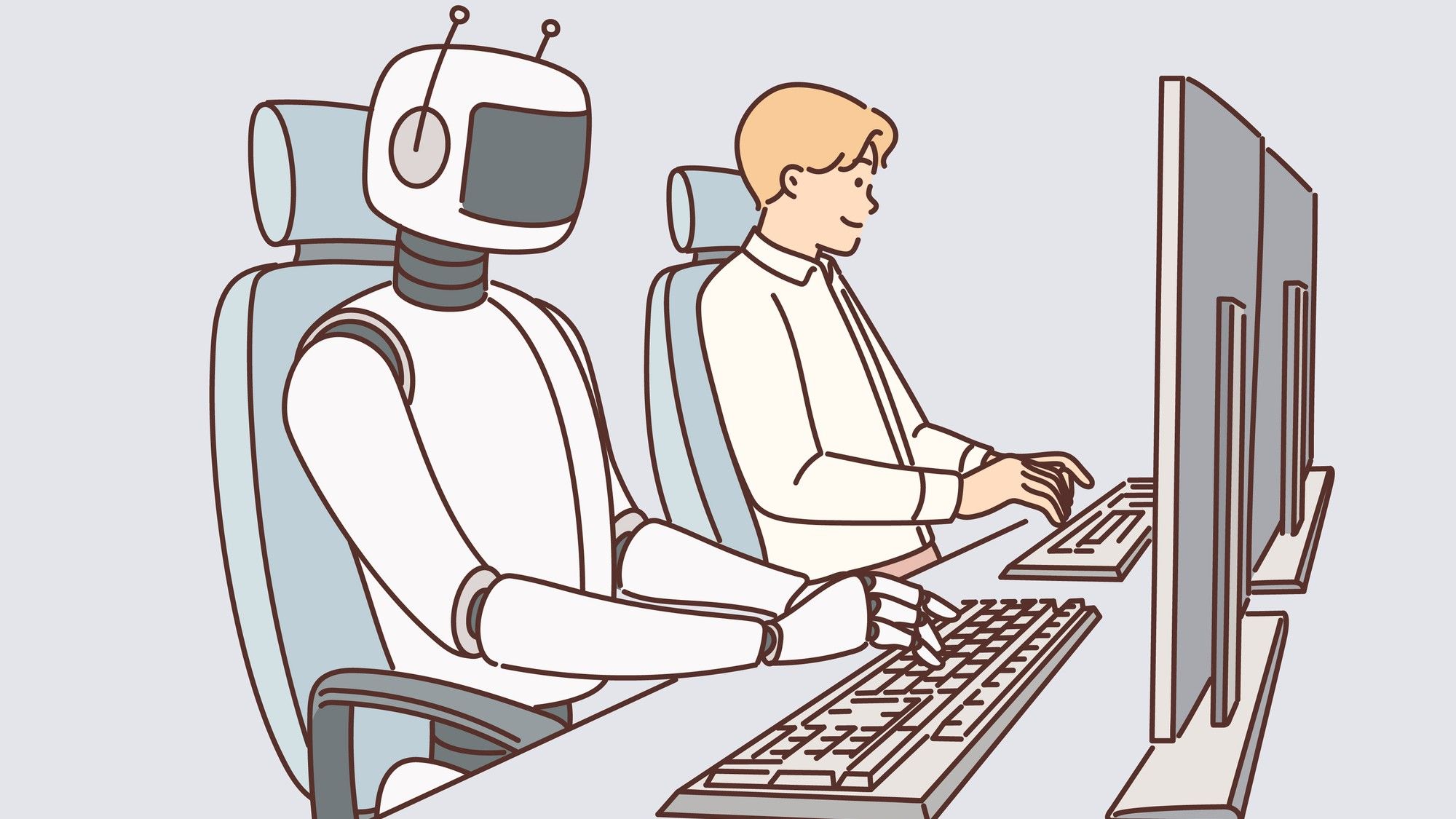
‘Deskilling’: a dangerous side effect of AI use
Workers are increasingly reliant on the new technology
An open letter to office suite users, just before the Euro-Office announcement - TDF Community Blog
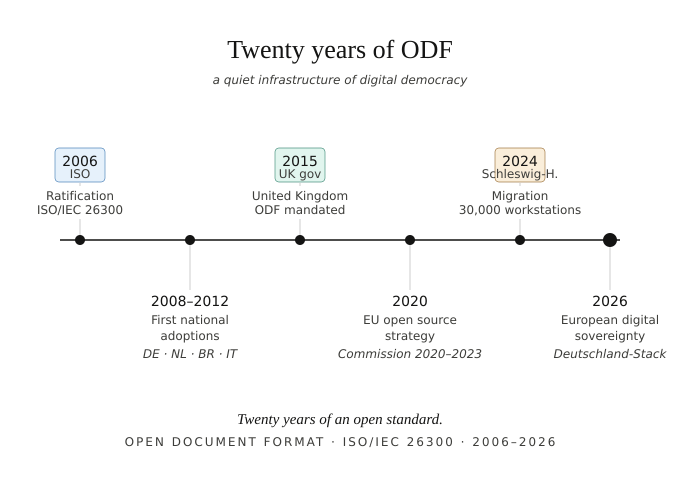
Dear office suite users, In recent days you will have read various articles announcing the arrival of Euro-Office, which is being “marketed” as the first open-source office suite developed in Europe. We feel compelled — reluctantly, since open source should rest on transparency, not deception — to correct this claim. The first open-source office suite developed in Europe was OpenOffice.org in 2001, based on StarOffice’s source code, followed by LibreOffice from 2010. These are two genuine open-source office suites, built from source code that originated in Europe. They are not a freeware clone of MS Office whose code provenance is undisclosed, nor a product that has rebranded itself out of pure opportunism to ride today’s wave of Digital Sovereignty. It is worth remembering that many of those who champion Digital Sovereignty today were silent back in 2006, when the open ISO/IEC ODF standard — the pillar of Digital Sovereignty — was announced: not only did they not listen to us during all these years, but in some cases they greeted us with a condescending smile. If we can speak of Digital Sovereignty in Europe today, it is thanks to The Document Foundation and LibreOffice community members at large, who kept
Freedom Now | Polity: Vol 52, No 3
Left-wing politics is resurgent. Self-proclaimed socialists are unexpectedly popular. Proposals like universal health care are a commonplace of Democratic campaigns. But there is not yet a clear, unifying idea behind this political shift. We propose that that idea is freedom. While the left once understood freedom as emancipation from the economy, the right spent the twentieth century neutralizing and appropriating the idea of freedom by reinventing the economy as the true site of freedom. To reclaim freedom as a value of the left, we have to begin with the daily experience of most people: the unfreedom of the workplace. The authoritarian organization of work is not just an offense against freedom; it also helps us understand how freedom requires emancipation both from the economy and within the economy, and why that emancipation requires mass struggle.