


The law forces UK internet providers to store browsing histories -- including domains visited -- for one year, in case of police investigations.
Britain has passed the ‘most extreme surveillance law ever passed in a democracy’
The law forces UK internet providers to store browsing histories -- including domains visited -- for one year, in case of police investigations.
UK spies using social media data for mass surveillance | TechCrunch
Privacy rights group Privacy International says it has obtained evidence for the first time that UK spy agencies are collecting social media information on potentially millions of people.

UK admits it spied illegally for 17 years, is sorry, won’t stop
The Verge is about technology and how it makes us feel. Founded in 2011, we offer our audience everything from breaking news to reviews to award-winning features and investigations, on our site, in video, and in podcasts.

The Internet is a surveillance state | CNN
Bruce Schneier says our surveillance state is efficient beyond the wildest dreams of George Orwell, and consumers are given little chance to opt out

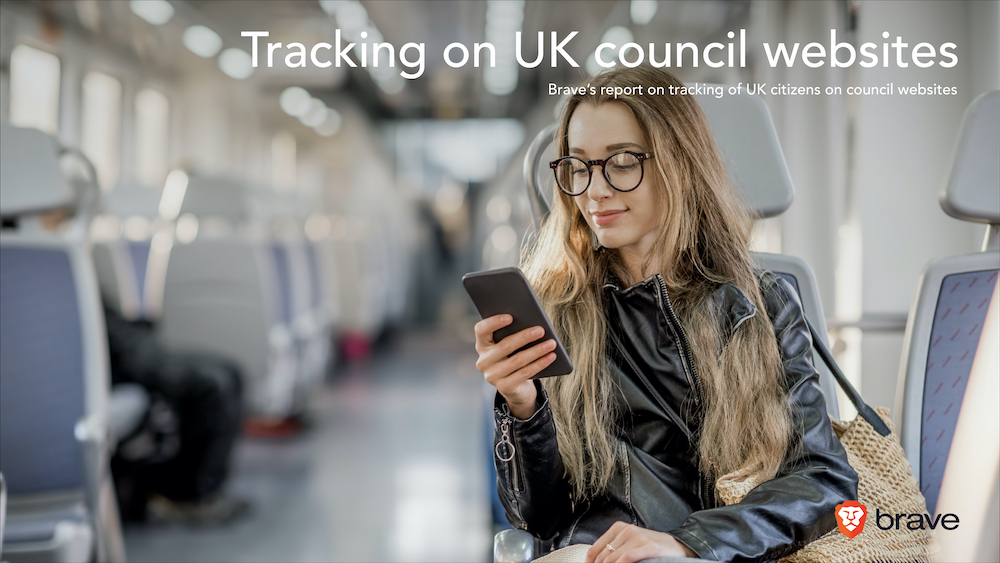
Brave uncovers widespread surveillance of UK citizens by private companies embedded on UK council websites | Brave
Brave has uncovered widespread surveillance of UK citizens by private companies embedded on UK council websites. "Surveillance on UK council websites", a new report from Brave, reveals the extent of private companies' surveillance of UK citizens when they seeking help for addiction, disability, and poverty from their local government authorities.
Why you should bet big on privacy | TechCrunch
Ever felt like you were being watched online? You know, like when you read something about New York, and the next site you visit shows you ads for New York hotels? As it turns out, on my computer, there were more than 130 companies tracking my every move. These companies are basically engaging in mass surveillance.

"Pushed into the Shadows": Evidencing Digital Surveillance Chilling Effects and the Erosion of the Rights to Freedom of Assembly and of Association
SummaryThe United Nations Special Rapporteur on the Rights to Freedom of peaceful assembly and of association, Gina Romero, presents "Pushed into the Shadows: Evidencing digital surveillance chilling effects and the erosion of the rights to freedom of assembly and of association". This Global Study documents the profound impact that pervasive digital monitoring exerts on fundamental public freedoms. Moving beyond traditional privacy-centric narratives, the Study details how contemporary surveillance ecosystems induce serious chilling effects.
A Surveillance Net Blankets China’s Cities, Giving Police Vast Powers (Published 2019)
The authorities can scan your phones, track your face and find out when you leave your home. One of the world’s biggest spying networks is aimed at regular people, and nobody can stop it.

Bringing Sexy Back
Internet surveillance has killed eroticism. We need privacy to reclaim it.

The architecture of the internet creates risks for democracy
Will democracy survive the internet? Do we need to choose between Facebook’s surveillance capitalism or democracy? Layered lines of evidence can inform questions like these. When considered together, the evidence gives rise to a concerning picture, as summarized in a recent report for the European Commission that I co-led.

We Need A Massive Surveillance Program (Idle Words)
I am a privacy activist who has been riding a variety of high horses about the dangers of permanent, ubiquitous data collection since 2012.
A New Era of Mass Surveillance is Emerging Across Europe
The world was a different place when, in October 2015, the Court of Justice of the European Union (CJEU) struck down the “Safe Harbour” data-sharing agreement that allowed the transfer of European citizens’ data to the US. The Court’s decision concluded that the indiscriminate nature of the surveillance programs carried out by U.S. intelligence agencies, […]
Surveillance and the Internet of Things | Hacker News
As Bruce says, the real issue now is not surveillance or even information, but power. Who gets to watch whom, and (of course) who watches the watchers?
What happened to the fight for the Internet? -- Dustycloud Brainstorms
At the moment I am writing this, bad internet bills are being proposed across the US, Canada, Europe, and the UK. They're using the usual tactics: they claim they're fighting for kids or fighting security risks, but in general, that's what surveillance and censorship bills have always claimed.
Government Surveillance and Internet Search Behavior
This paper displays data from the US and its top 40 trading partners on the search volume of select keywords from before and after the surveillance revelations

Our statement on the UK gov't's demand that all content on all devices sold or used in the UK be scanned, on the presumption of nudity, using a dystopian combination of age verification & content scanning. This proposal will not safeguard children. It endangers us all. signal.org/blog/pdfs/2026-06-08-uk-surve…
