


Welcome to 1000-Word Philosophy: An Introductory Anthology, an ever-growing set of essays on philosophical questions, theories, figures, and arguments.
A Philosopher’s One-Word Theory to Explain Why the World Feels So Weird
Once you learn what the "uni-context" is, you won't stop seeing it everywhere

100 Little Ideas
A list of ideas, in no particular order and from different fields, that help explain how the world works…
A Manifesto for a Future Philosophy (guest post) - Daily Nous
“This project of re-envisaging, looking at past ideas, and developing new ones to deal with our difficult situation will take the work of many people…” […]
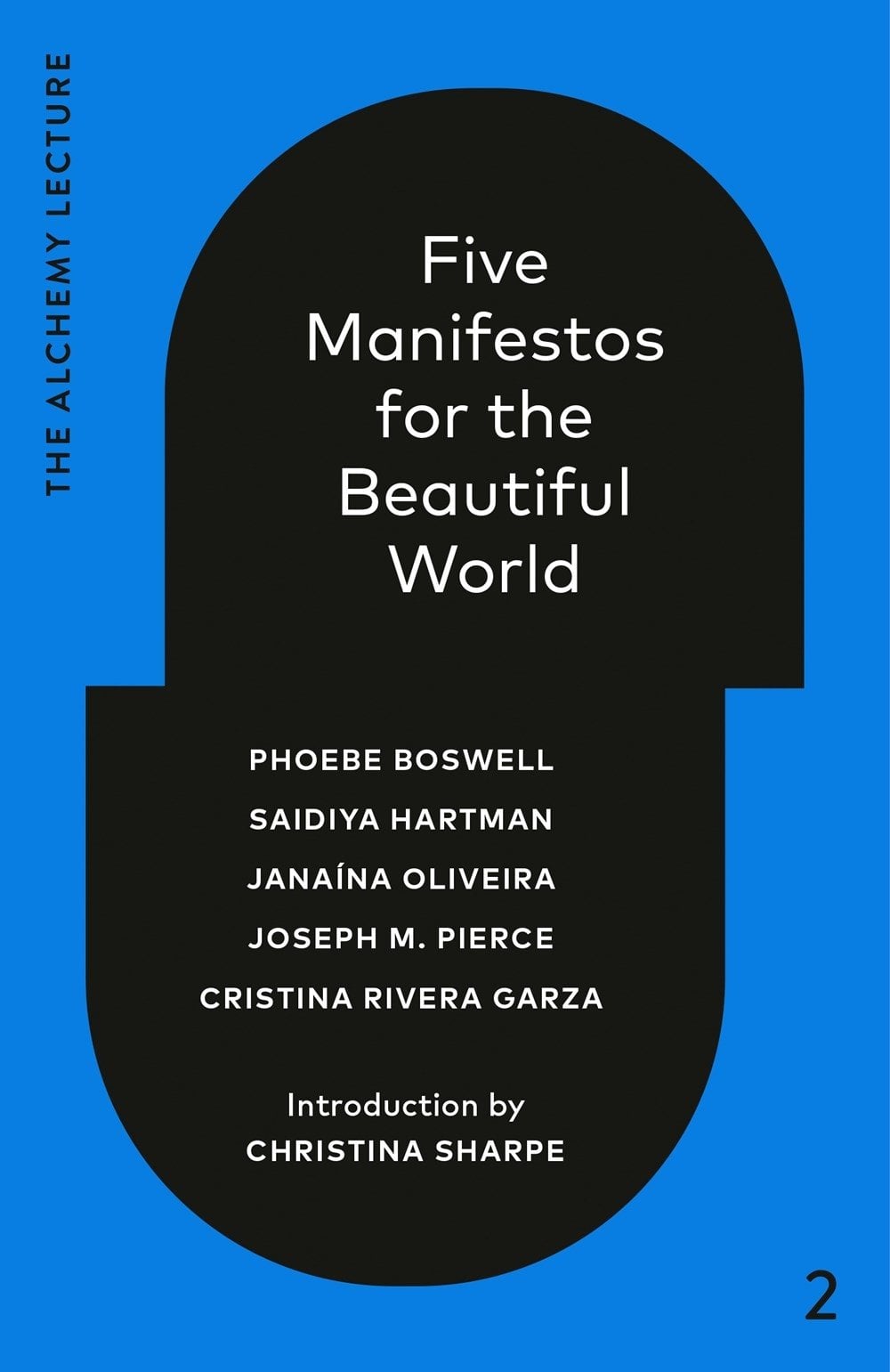
Five Manifestos for the Beautiful World: The Alchemy Lecture 2023
The Alchemy Lecture 2023
An untitled post from Mar 2011
Posted on Thursday 17 Mar 2011. 1,130 words, 10 links. By Matt Webb.

Recursive Summaries | The Paper Pilot
The Paper Pilot's digital garden of thoughts on philosophy, politics, and sociology
142 | Hyperpolitics in the Present
Podcast Episode · What's Left of Philosophy · September 21 · 59m

Reading philosophy for the examples
Philosophy books often have really good examples. Here are a few of my favourites.

MAiD, ableism, cognitive accessibility, and more
This one took a bit to write. The first piece is long (1,600+ words), and intense. But it needed to be said. I'll be interested to hear what you think. You...

Road to a book lexicon (Part 2) - Nick The Sick
The one where I actually define a lexicon

Centrism | The Paper Pilot
The Paper Pilot's digital garden of thoughts on philosophy, politics, and sociology
The tool, the craft, and the joy
On AI, craft, and building things that matter (1300 words)

Why is every rationalist blog post way too long? - alex wennerberg
For my piece on Catholic miracle apologetics, I read (correction: skimmed) a 25,000-word post by rationalist blogger Scott Alexander. My piece, which cited (but does not focus on) his, ended up being a cool 2,700 words. I don't think it would benefit from being longer, and it was the result of me cutting around 70% of the text I initially wrote.
Meditations on Machinic Desire
The philosopher and accelerationist Nick Land writes, in his 1993 essay Machinic Desire, three of the most insight-dense paragraphs I’ve ever encountered:

Theories of Truth: A Critical Introduction
Theories of Truth provides a clear, critical introduction to one of the most difficult areas of philosophy. It surveys all of the major philosophical theories of truth, presenting the crux of the issues involved at a level accessible to nonexperts yet in a manner sufficiently detailed and original to be of value to professional scholars. Kirkham's systematic treatment and meticulous explanations of terminology ensure that readers will come away from this book with a comprehensive general understanding of one of philosophy's thorniest set of topics.Included are discussions of the correspondence, coherence, pragmatic, semantic, performative, redundancy, appraisal, and truth-as-justification theories. There are also chapters or sections of chapters on the liar paradox, three-valued logic, Field's critique of Tarski, Davidson's program, Dummett's theory of linguistic competence, satisfaction, recursion, the extension/intension distinction, and an explanation of how theories of justification, properly understood, differ from theories of truth.A persistent theme is that philosophers have too often failed to recognize that not all theories of truth are intended to answer the same question. When the various questions are made distinct, it is apparent that many of the "debates" in this field are really cases of philosophers talking past one another. There is much less disagreement within the field than has commonly been thought.
