


Don't let specificity force you into strict selector conventions. Cascade Layers allow us to manage specificity without resorting to naming hacks or the `!important` flag.
Web Standards We Want: Part I — Chapters
The Web is 25 this year, and on this its silver anniversary, there is a new campaign called (The) Web We Want. Its 5 guiding principles are…
CSS selectors - CSS | MDN
The CSS selectors module defines the patterns to select elements to which a set of CSS rules are then applied along with their specificity. The CSS selectors module provides us with more than 60 selectors and five combinators. Other modules provide additional pseudo-class selectors and pseudo-elements.

CSS :has() | 12 Days of Web
Learn the ins and outs of `:has()` which is the new CSS relational selector for selecting parents, siblings, and other unique combinations.

On forking the Web
This document contains a set of informal notes on how to build an alternative specification to the Web, in such a way that hopefully prevents many of its drawbacks while still preserves many of the good points. This document is not an specification, and is therefore subject to change over time.
Who Shapes Web Standards? Uncovering the Main Topics of Interest in the W3C
2026 CSS wishlist – Nathan Knowler
What I’d like to see prioritized for CSS in 2026, how those features will allow us to create better web-based design systems, and how they renew separation of concerns.
Theming atproto · blog.damato.design
Taking Mise en Mode into the new web standard
Layered protocols
Layering is a special form of modularity that restricts interactions between modules. A module assigned to a layer can use any of the modules in the same or in a lower layer; however, it cannot use a module belonging to a higher layer.
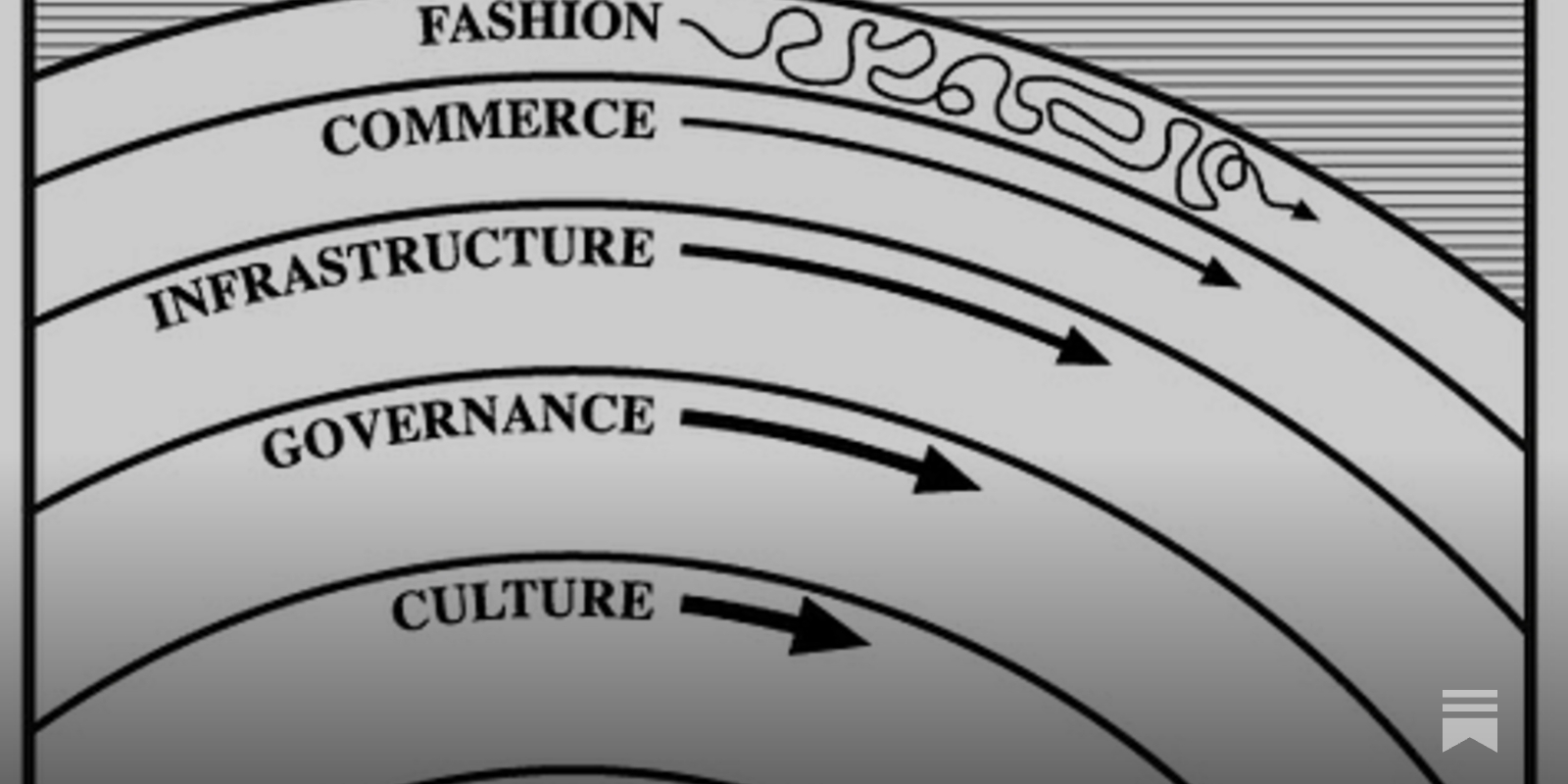
The Web Needs a Context Layer Built on a Shared Protocol
Context is a new, developing layer of the internet, write Mallory Knodel, Evan Friedman and Brad Friedman.

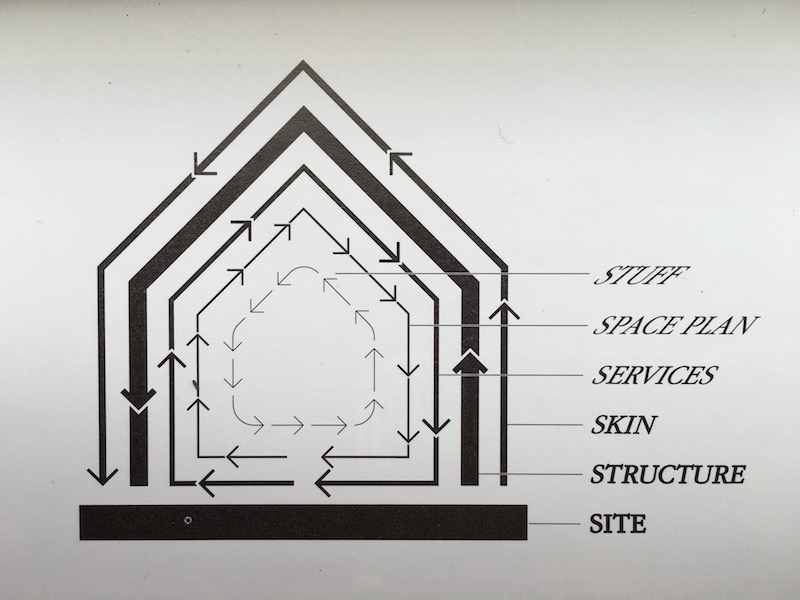
Alex Russell | Web Components and Model Driven Views | Fronteers 2011
There's a lot of tension between today's markup and the semantics we're trying to express in our apps. HTML5 adds a few new types to help describe common cases, but what about when there's no allegory in markup for what you're building? What we need now is infrastructure, not guilt about being "non-semantic". This talk explores new standards-track work in WebKit that's going to enable say-what-you-mean development in completely new ways.

CSS Selectors: A Visual Guide & Reference
Visual guide to CSS selectors, including pseudo-classes (:nth-child, :hover,...), functional pseudo-classes (:not, :is,...) and pseudo-elements.
The Website vs. Web App Dichotomy Doesn't Exist | jakelazaroff.com
A one-dimensional spectrum can't sufficiently capture the tradeoffs involved in web development.
Chromium Docs - The Rule Of 2
When you write code to parse, evaluate, or otherwise handle untrustworthy inputs from the Internet — which is almost everything we do in a web browser! — we like to follow a simple rule to make sure it's safe enough to do so. The Rule Of 2 is: Pick no more than 2 of
Extend the Web Forward
If we want to move the web forward, we must increase our ability as web developers to extend it with new features. For years, we've grabbed the browsers extension points with two hands, not waiting for the browser vendors to gift us with new features. We built selector engines,
Layers is a set of ATProto lexicons for representing and interlinking linguistic data across modalities. We're hoping to get feedback on a draft proposal for the lexicons. docs.layers.pub github.com/layers-pub/layers

GitHub - layers-pub/layers: Composable ATProto lexicons for linguistic annotation
github.com