

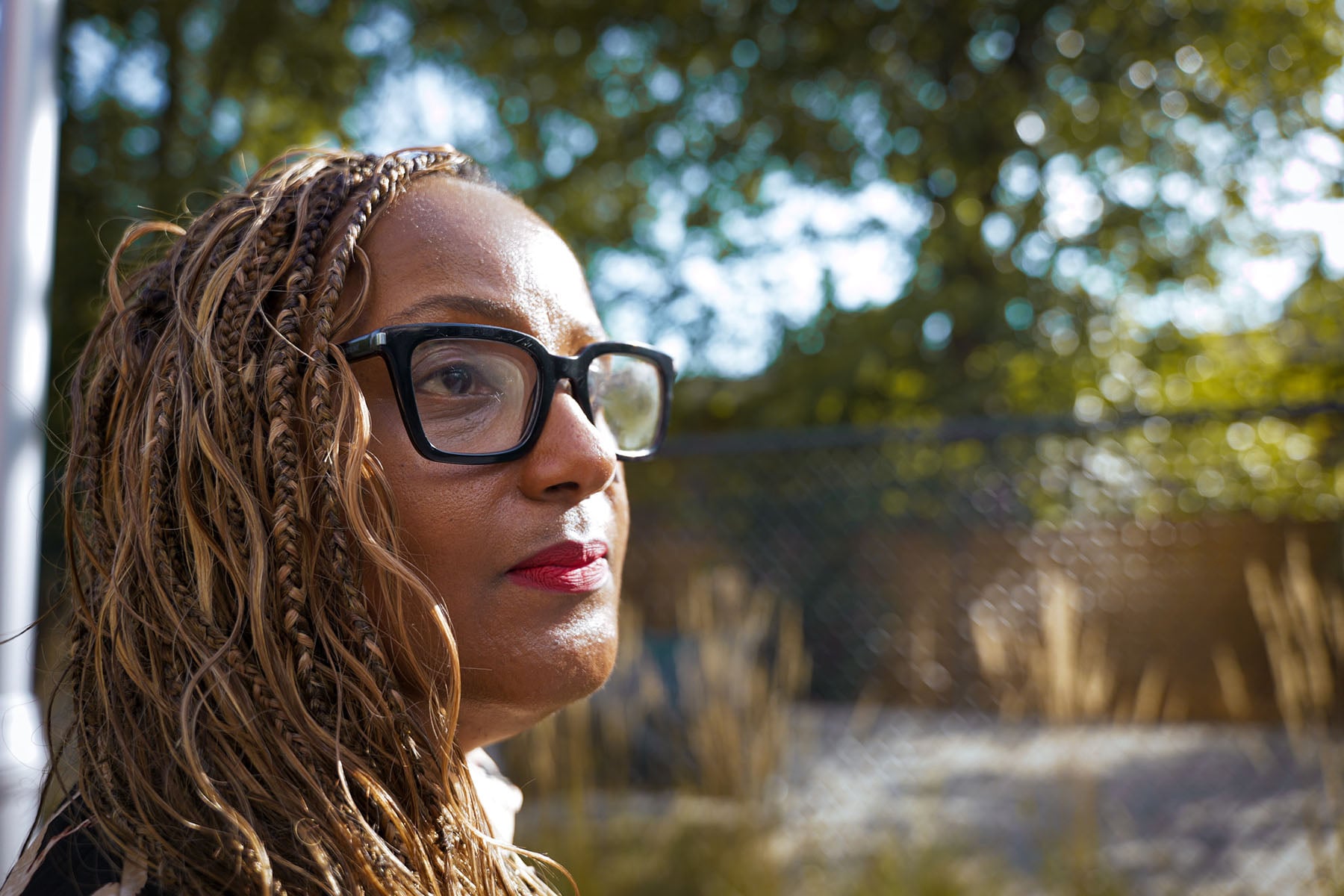
DOGE cuts dismantled a job pipeline for D.C.’s Black community and gutted the well-being of the women who hold up it up.
How Bad Are Things?
One “advantage” of working in psychiatry is getting a window into an otherwise invisible world of really miserable people. I work in a wealthy, mostly-white college town consistently ra…

Why Diversity Programs Fail
After Wall Street firms repeatedly had to shell out millions to settle discrimination lawsuits, businesses started to get serious about their efforts to increase diversity. But unfortunately, they don’t seem to be getting results: Women and minorities have not gained much ground in management over the past 20 years. The problem is, organizations are trying to reduce bias with the same kinds of programs they’ve been using since the 1960s. And the usual tools—diversity training, hiring tests, performance ratings, grievance systems—tend to make things worse, not better. The authors’ analysis of data from 829 firms over three decades shows that these tools actually decrease the proportion of women and minorities in management. They’re designed to preempt lawsuits by policing managers’ decisions and actions. But as lab studies show, this kind of force-feeding can activate bias and encourage rebellion. However, in their analysis the authors uncovered numerous diversity tactics that do move the needle, such as recruiting initiatives, mentoring programs, and diversity task forces. They engage managers in solving the problem, increase contact with women and minority workers, and promote social accountability. In this article, the authors dig into the data, executive interviews, and several examples to shed light on what doesn’t work and what does.

News for Black America - NewsOne
Breaking news for and about Black America: politics, original stories, diverse opinions, current events and their impact on Black lives.
Black Women and the Care Agenda | National Partnership for Women & Families
Black women are family caregivers – and they need flexibility and economic supports to make the best decisions for themselves and their families

Don't Touch My Hair
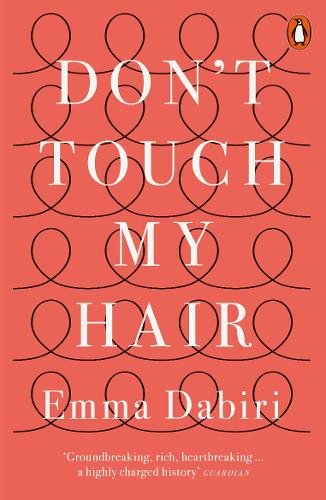
Check out Don't Touch My Hair - <p><b>'Groundbreaking <i>. . .</i> a scintillating, intellectual investigation into black women and the very serious business of our hair, as it pertains to race, gender, social codes, tradition, culture, cosmology, maths, politics, philosophy and history' Bernardine Evaristo</b> <br /><br />Straightened. Stigmatized. 'Tamed'. Celebrated. Erased. Managed. Appropriated. Forever misunderstood. Black hair is never 'just hair'.<br /><br />This book is about why black hair matters and how it can be viewed as a blueprint for decolonisation. Over a series of wry, informed essays, Emma Dabiri takes us from pre-colonial Africa, through the Harlem Renaissance, Black Power and on to today's Natural Hair Movement, the Cultural Appropriation Wars and beyond. We look everything from hair capitalists like Madam C.J. Walker in the early 1900s to the rise of Shea Moisture today, from women's solidarity and friendship to 'black people time', forgotten African scholars and the dubious provenance of Kim Kardashian's braids.<br /><br />The scope of black hairstyling ranges from pop culture to cosmology, from prehistoric times to the (afro)futuristic. Uncovering sophisticated indigenous mathematical systems in black hairstyles, alongside styles that served as secret intelligence networks leading enslaved Africans to freedom, <i>Don't Touch My Hair </i>proves that far from being <i>only </i>hair<i>,</i> black hairstyling culture can be understood as an allegory for black oppression and, ultimately, liberation.</p> by Emma Dabiri on Bookshop.org UK!
What the Cornell 7 and LSU sexual assault cases are revealing about the experiences of Black women
In the wake of the Cornell 7 and LSU assault cases, many, including Black women, are reckoning with their dismay and rage.

Working remotely, coworking spaces, and mental health - bitquabit
This should be a hard blog post to write–after all, it’s the one where I openly admit I had an emotional breakdown and saw a mental health professional–but it’s actually easy. And it’s easy because it has a good ending: facing long odds and a frustrating situation, I ended up turning everything around and getting a place where I love my job and I’m a happy person again.
Choosing a Sex Worker-Affirmative Therapist
Due to the stigma of sex work, sex workers can be vulnerable to micro-aggressions and minority stress and experience discrimination when the

What do we want from Black women on screen?
From Teyana Taylor’s Oscar-nominated turn in One Battle After Another to Industry’s ruthless Harper Stern, Black women are taking on some of the most morally complex roles on screen. But what does “good” representation really mean and must it always be aspirational? Michaela Makusha investigates.

Black Men and Breast Cancer: The Overlooked Story
A Black Feminist Apocalypse/Dystopian Survival Resource Compilation
A Black Feminist Apocalypse/Dystopian Survival Resource Compilation With the awful realization that we are indeed in a fight for our very survival coming over me for the past few years, I’ve asked myself this question: what can I do right now, today? With my resources limited or tapped out, I’ve...

Black Women Are Sounding the Alarm About Voting Rights and America’s Future
A new poll reveals their thoughts on whether the nation is delivering on what Black women need to thrive.

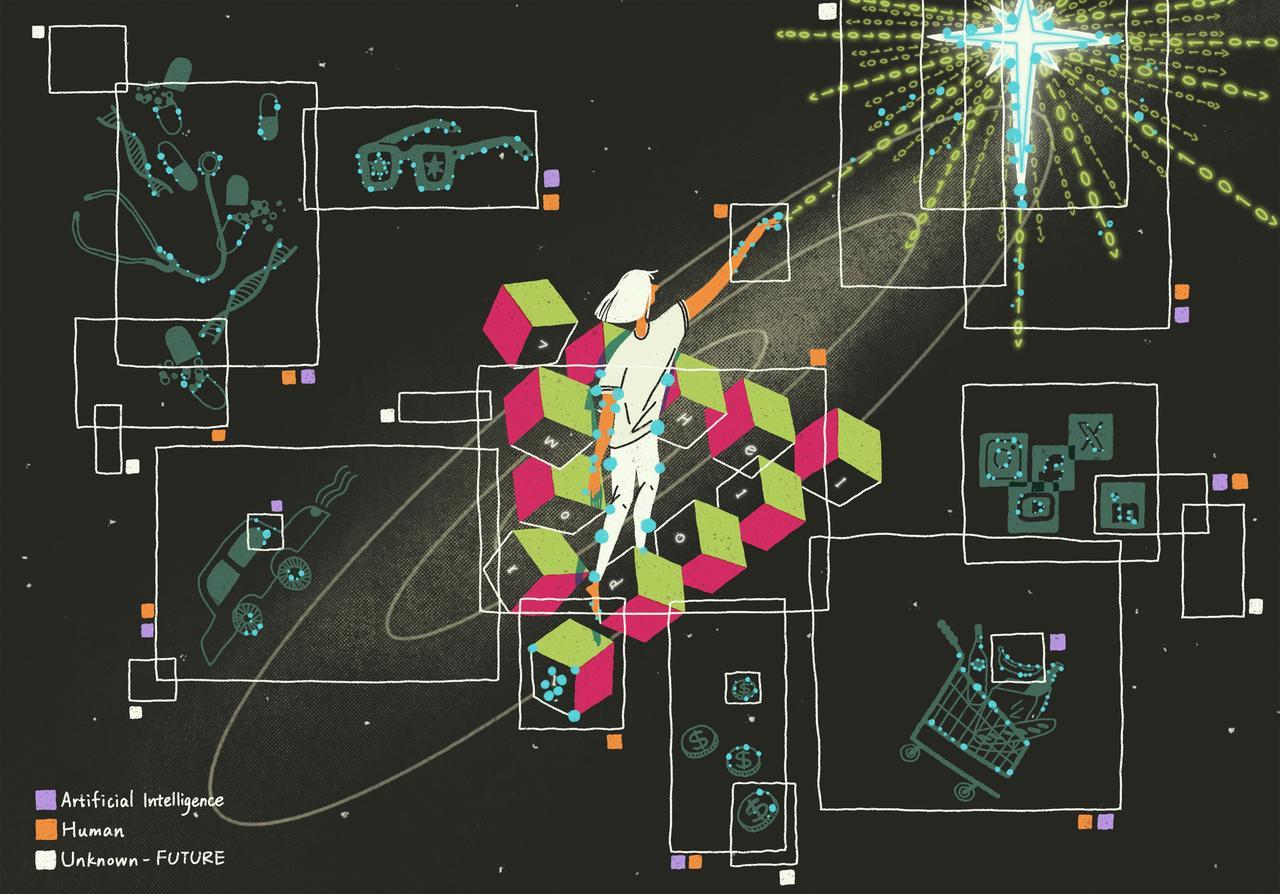
Beyond the blank slate: Why Black women’s trust is critical for equitable AI | Brookings
Zarah Guillemet and Raj Korpan discuss preliminary research on Black women's trust in AI and implications for policymakers.
It’s not lost on me the impact of my latinidad and the team behind Blacksky being responsible for creating the Atmosphere’s first medical platform. People historically abused & underrepresented in medicine are responsible for building the foundation for its community here. Don’t forget that.

