

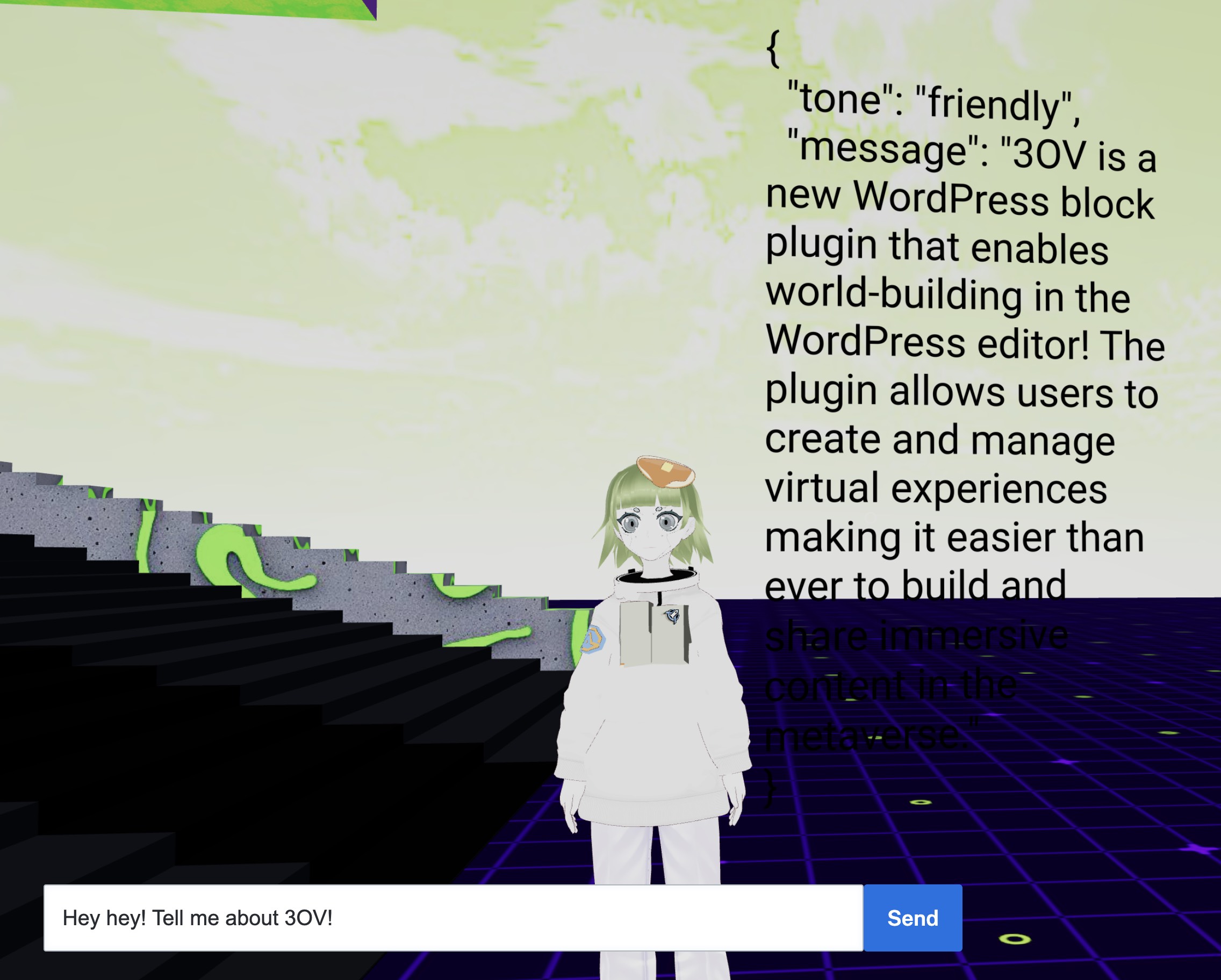
Learn about MagickML, a JavaScript-based framework that allows developers to create natural language processing systems using OpenAI language models like GPT-3. Explore the potential of Magick to revolutionize the way we interact with AI in virtual worlds, particularly in 3D web applications like 3OV
Introducing Three-Live: turning AI-generated Three.js into interactive 3D, AR, and WebXR across web and mobile
Meet Three-Live: an Apache 2.0 library and on-device Rust/Boa compiler turning AI-generated Three.js code into glTF 2.0, USDZ, and WebXR in ≤ 50 KB.

Environments Hub: A Community Hub To Scale RL To Open AGI
RL environments are the playgrounds where agents learn. Until now, they’ve been fragmented, closed, and hard to share. We are launching the Environments Hub to change that: an open, community-powered platform that gives environments a true home.Environments define the world, rules and feedback loop of state, action and reward. From games to coding tasks to dialogue, they’re the contexts where AI learns, without them, RL is just an algorithm with nothing to act on.

AI Building Blocks for WordPress
We’re creating technical Building Blocks that will allow users and developers to create powerful AI implementations within WordPress.

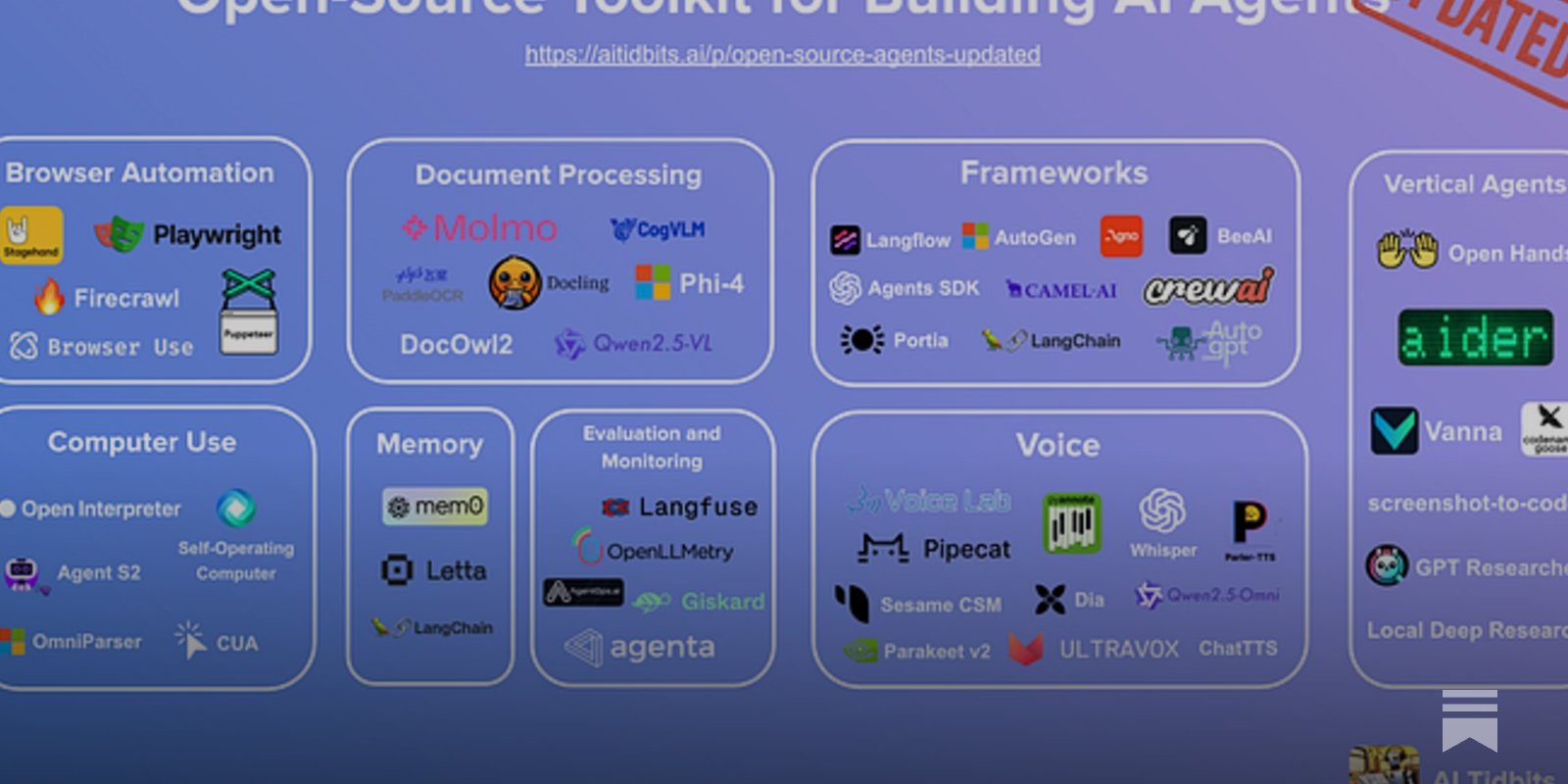
The Open-Source Toolkit for Building AI Agents v2
An opinionated, developer-first guide to building AI agents with real-world impact
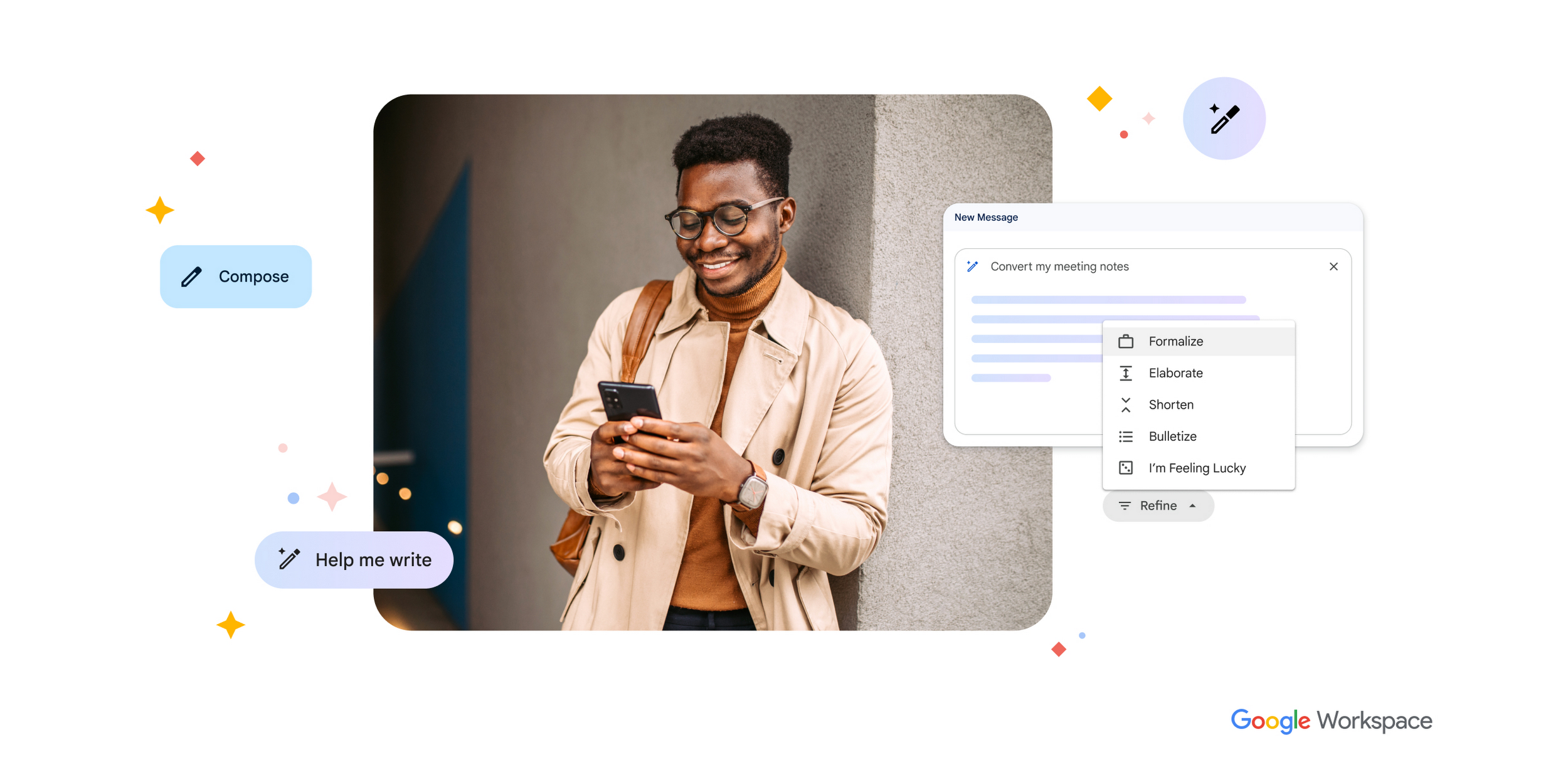
Announcing new generative AI experiences in Google Workspace | Google Workspace Blog
Google Workspace is using AI to become even more helpful, starting with new capabilities in Docs and Gmail to write and refine content.
Open Source Conversational AI Community
The Open Source Conversational AI Development Community Forum for the Neon AI platform and applications. Supporting the Mycroft AI legacy, Mark II users, the OpenVoice Operating System, and more.

Workshop: "AI Agents & Web Browsers" · Issue #507 · w3c/strategy
NOTE: This is a tentative workshop draft — Dom and Roy are working on a CFP: Introduction This W3C Workshop aims to gather stakeholders to explore how AI agents can interact with and be integrated ...
Kimi K3 - Kimi API Platform
Kimi K3 is our flagship model for long-horizon coding and end-to-end knowledge work, with a 1M-token context window and industry-leading intelligence. The Kimi API Platform provides K3, K2.7 Code, K2.6 and other large language model APIs, supporting long context, multimodal understanding, and Tool Calling.
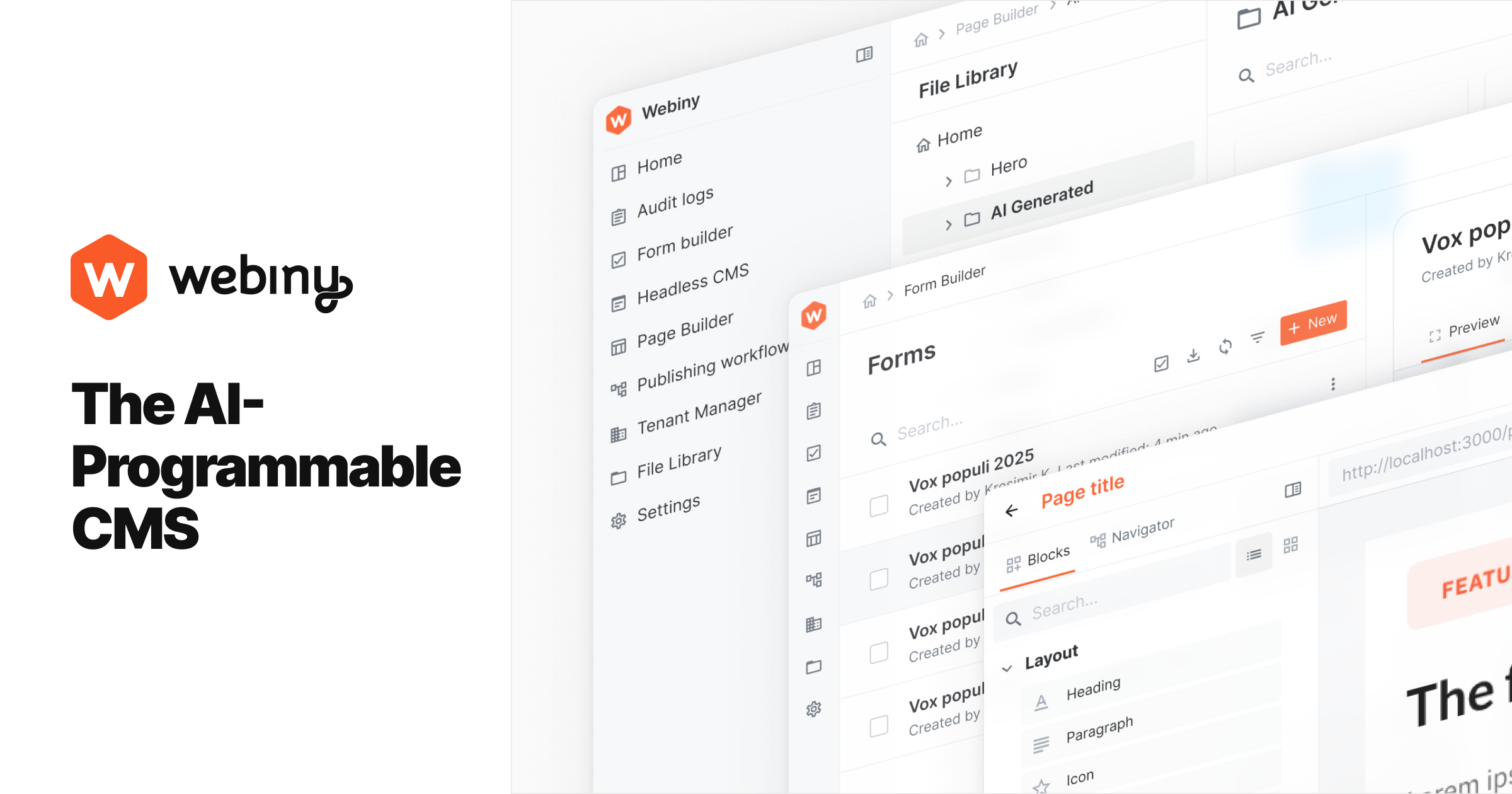
Introducing Agentic Editing in Zed
Workshop on immersive worlds on the web · Issue #324 · w3c/strategy
To explore the impact of immersive worlds, collectively known as the metaverse, on web technologies, @dontcallmedom and I are investigating a possible W3C workshop on immersive worlds on the web, t...
Codex | AI Coding Partner from OpenAI
The best way to build with agents. Codex accelerates real engineering work, from planning and building features to refactors, reviews, and releases—working seamlessly across your tools.
browser-use/browser-use
🌐 Make websites accessible for AI agents. Automate tasks online with ease.
An open source stack for real-time multimodal AI
It feels impossible to keep up with everything happening in AI. There’s seemingly a new breakthrough every week. And even though we won’t have AGI in 2024, it’s interesting to consider what the wor...
"What's my model inside of?": Exploring the role of environments for grounded natural language understanding
In contrast to classical cognitive science which studied brains in isolation, ecological approaches focused on the role of the body and environment in shaping cognition. Similarly, in this thesis we adopt an ecological approach to grounded natural language understanding (NLU) research. Grounded language understanding studies language understanding systems situated in the context of events, actions and precepts in naturalistic/simulated virtual environments. Where classic research tends to focus on designing new models and optimization methods while treating environments as given, we explore the potential of environment design for improving data collection and model development. We developed novel training and annotation approaches for procedural text understanding based on text-based game environments. We also drew upon embodied cognitive linguistics literature to propose a roadmap for grounded NLP research, and to inform the development of a new benchmark for measuring the progress of large language models on challenging commonsense reasoning tasks. We leveraged the richer supervision provided by text-based game environments to develop Breakpoint Transformers, a novel approach to modeling intermediate semantic information in long narrative or procedural texts. Finally, we integrated theories on the role of environments in collective human intelligence to propose a design for AI-augmented "social thinking environments" for knowledge workers like scientists.
