

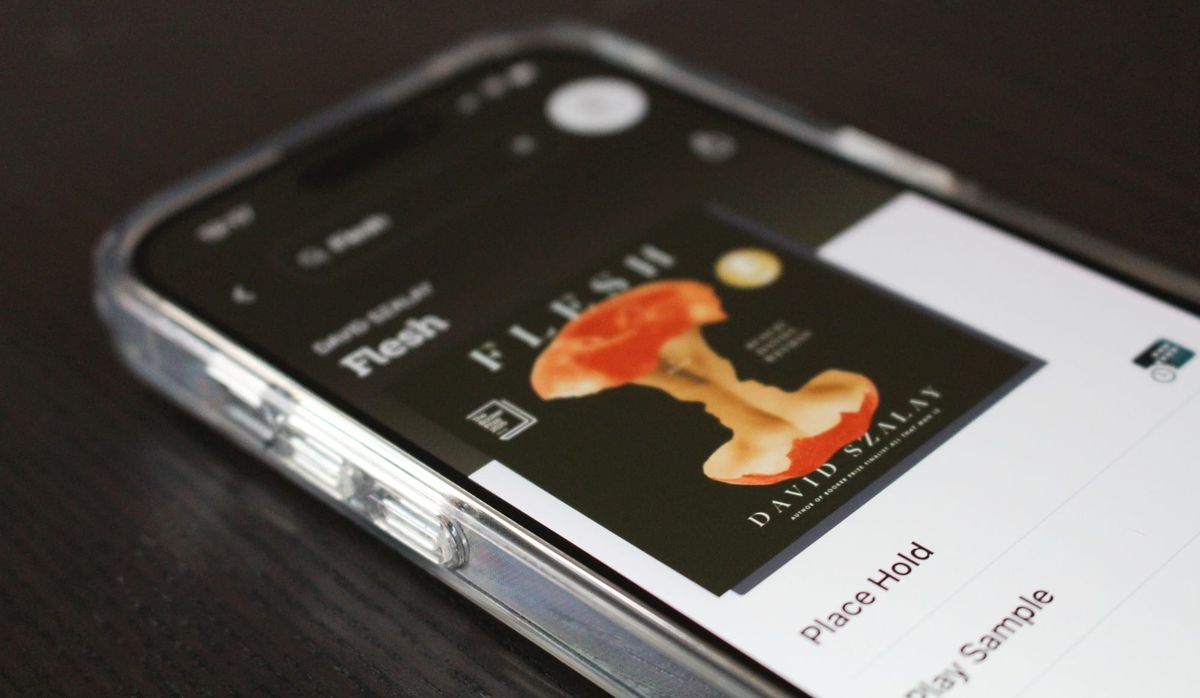
The demand and price for e-books is up — and it’s busting the D.C. Public Library budget.
For The People
We all love libraries, and we all love reading - but that’s not enough. It’s essential that more leftists become involved in their local libraries. We’re being out-organized by a right-wing movement that’s focused on taking over public institutions to privatize & weaken them.

What Libraries Actually Do – Libraries as Epistemic Institutions
One of the biggest challenges for libraries telling their story is that the library means something different depending on who’s in the room. For a student, it’s a place to study and a staff full of people who want them to succeed. For a faculty member, it might be the invisible infrastructure that delivers electronic articles or the subject liaison who visits their class each year. For a graduate student, it’s often something more: a research partner, a data collaborator, a guide through the methodological expectations of a discipline. And that’s before accounting for the larger information environment that those users are already swimming in, where disciplines publish at high rates; trade publications and newsletters and Substacks produce sense-making content daily; and social media, messaging apps, and community channels add still more. The information environment is a flood around us, and the library is one stream of that flow.
Fighting for the Future of Libraries (With Jennie Rose Halperin)
Censorship, AI, and the role of librarians in a country with crumbling public institutions.

City Snapshots — For The People
Did you know that Las Cruces, New Mexico spends 870 times more on policing than libraries? Our new publication, Budgets Are Values, gives an overview of how 15 public library systems are funded, governed, and used by communities, and highlights the stark and indefensible contrast between funding for

Mayberry, a self-hosted little library branch
Host your own little library branch from your computer. Curate an ebook shelf visitors can browse from any e-reader, with no accounts and no tracking.

Why public libraries need to support open source
Wouldn't it be great if you asked an open source question at a library reference desk and was met with a smiling answer, rather than a sorry-I-can't-help-you shrug?

Consumers Are Worried About the Loss of Physical Media Ownership. Libraries Are Leading the Conversation. — Association of Research Libraries
Sally Sax is head, Collection Strategy and Partnerships, MacOdrum Library, Carleton University. In a recent Atlantic Monthly article about Sony’s plan to end physical sales of PlayStation console games, Will...

science funding and the cherry picking problem
Science publishing–like all of science–requires money. There’s no getting around it, even with the open science movement. What appears free to many authors and readers still requires money and infr…

Shelvd — Book Collection Management
Professional library management for antiquarian books, rare editions, and fine bindings.
Library of Congress Free to Use and Reuse | Library of Congress
More than 100 sets of rights-free images are ready for you to explore and add to your own projects. The topics range widely--from Classic Children’s Books and Disability Awareness to Dragons, Football, Jazz, and Shoes. With 25 to 50 historical photographs, posters, maps, and movies in each set. Enjoy!

Neil Gaiman: Why our future depends on libraries, reading and daydreaming
A lecture explaining why using our imaginations, and providing for others to use theirs, is an obligation for all citizens

We Need A Library Economy
Why AI Companies Are Buying—And Then Destroying—Old Books
We've long joked about delaying bedtime in order to read the entire internet, but the prospect of actually doing so doesn't sound as appealing as it used to. An ever-growing proportion of text online, we may sense, hasn't been written by humans, but generated by artificial intelligence.

Scientific Publishing: Enough is Enough
Why we're no longer funding journal publications

Scientific Publishing: Enough is Enough
Why we're no longer funding journal publications