

Trust-Based Community Bot Detection
Proposing Botwatch: Trust-Based Community Bot Detection
Is this account a bot? This question’s importance is only growing in a world of LLMs and state-backed influence campaigns. Proposed here is Botwatch, a community-based system for personalized bot detection. In Botwatch, users publish records indicating whether they think others are bots and records indicating trust in a user’s scores. By analyzing this network, we can create useful signals to help users distinguish between bots and humans. Such a signal would consider your trust relations and o...

Botwatch
Fight bots by warning others. Support humans with verification. Build communities with trust.
Commence the Botwatch | Botwatch Blog
Bots were already a pain online when they were little more than if-then scripts. Now a tidal wave of slop is swamping the internet as big tech companies profit. OpenAI and the rest would love for you to believe they care about "alignment" and "values" while their AI models damage our communities, both online and off. It's time to fight back.
Botender: Supporting Communities in Collaboratively Designing AI Agents through Case-Based Provocations
AI agents, or bots, serve important roles in online communities. However, they are often designed by outsiders or a few tech-savvy members, leading to bots that may not align with the broader community's needs. How might communities collectively shape the behavior of community bots? We present Botender, a system that enables communities to collaboratively design LLM-powered bots without coding. With Botender, community members can directly propose, iterate on, and deploy custom bot behaviors tailored to community needs. Botender facilitates testing and iteration on bot behavior through case-based provocations: interaction scenarios generated to spark user reflection and discussion around desirable bot behavior. A validation study found these provocations more useful than standard test cases for revealing improvement opportunities and surfacing disagreements. During a five-day deployment across six Discord servers, Botender supported communities in tailoring bot behavior to their specific needs, showcasing the usefulness of case-based provocations in facilitating collaborative bot design.

Exposure to social bots amplifies perceptual biases and regulation propensity
Automated accounts on social media that impersonate real users, often called “social bots,” have received a great deal of attention from academia and the public. Here we present experiments designed to investigate public perceptions and policy preferences about social bots, in particular how they are affected by exposure to bots. We find that before exposure, participants have some biases: they tend to overestimate the prevalence of bots and see others as more vulnerable to bot influence than themselves. These biases are amplified after bot exposure. Furthermore, exposure tends to impair judgment of bot-recognition self-efficacy and increase propensity toward stricter bot-regulation policies among participants. Decreased self-efficacy and increased perceptions of bot influence on others are significantly associated with these policy preference changes. We discuss the relationship between perceptions about social bots and growing dissatisfaction with the polluted social media environment.

What is a bot? | Learning Center
An Internet bot is a software application that runs automated tasks over the Internet, ranging from helpful crawlers to malicious attackers.
Security Verification
Security verification page to protect against malicious bots.
AI Tools for Trust: Community Notes, Rhetoric Detection & More
Five AI technologies to combat misinformation: community notes, rhetoric detection, reliability tracking, epistemic evals, and provenance tracing.
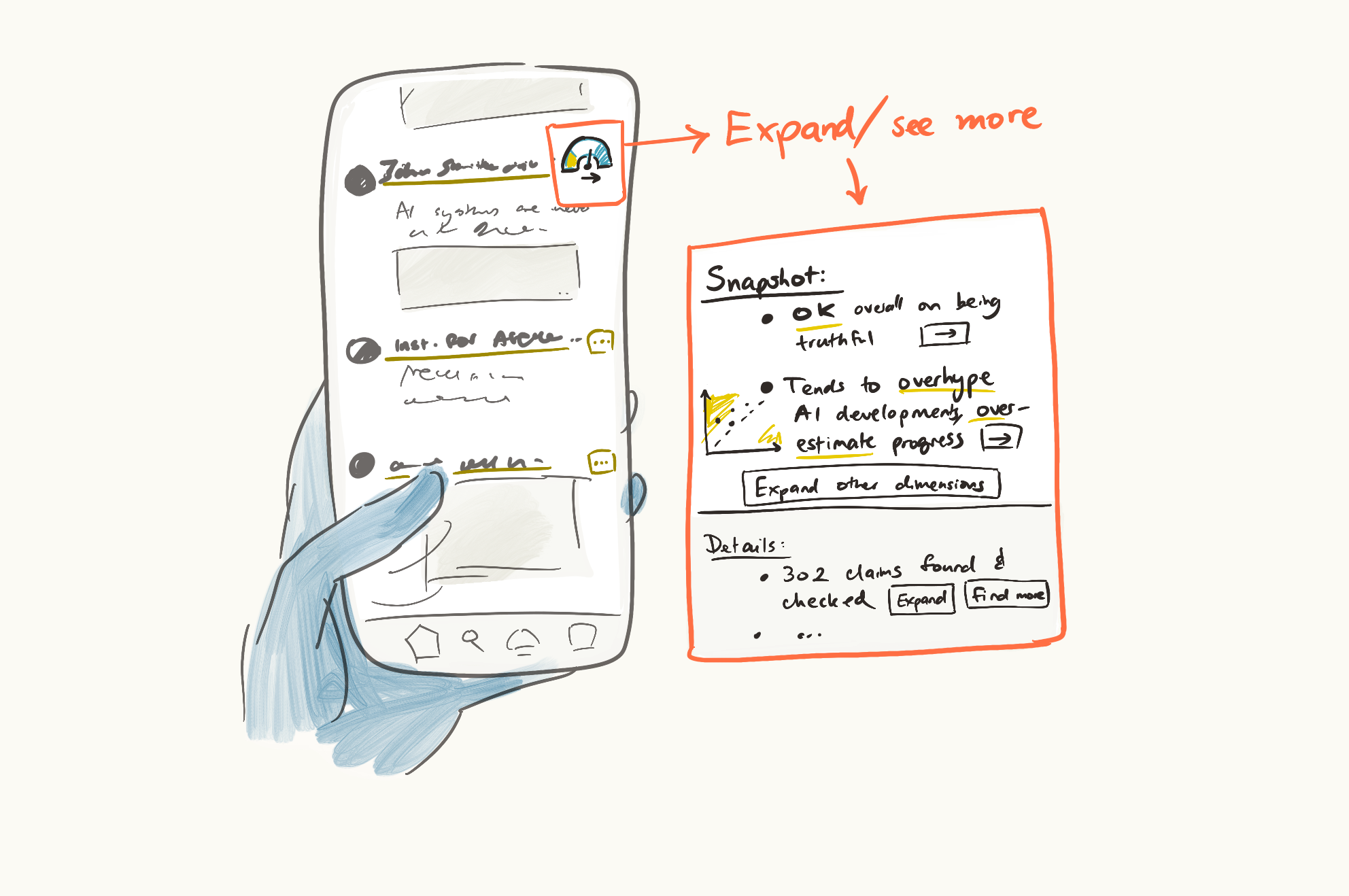
Katika Kühnreich (@Katika@chaos.social)
Attached: 1 image #SocialMedia of #realnameregistration , oh sorry, they call it real #humans , that advertises with " #AI " #slop #wsocial is more than problematic And already has #bots crawling it's #network Now they show that they are problematic concerning #aesthetics as well & advertise with tasteless #aislop @bildoperationen@tldr.nettime.org #realnameregistration is highly dangerous & if the company that wants to have your most private data can't save there net from bots they're not very trustworthy, are they? #tech

Proton survey: People don't trust AI, but they tell it everything | Proton
New research finds that most AI chatbot users have shared something sensitive, but few trust the companies behind them.
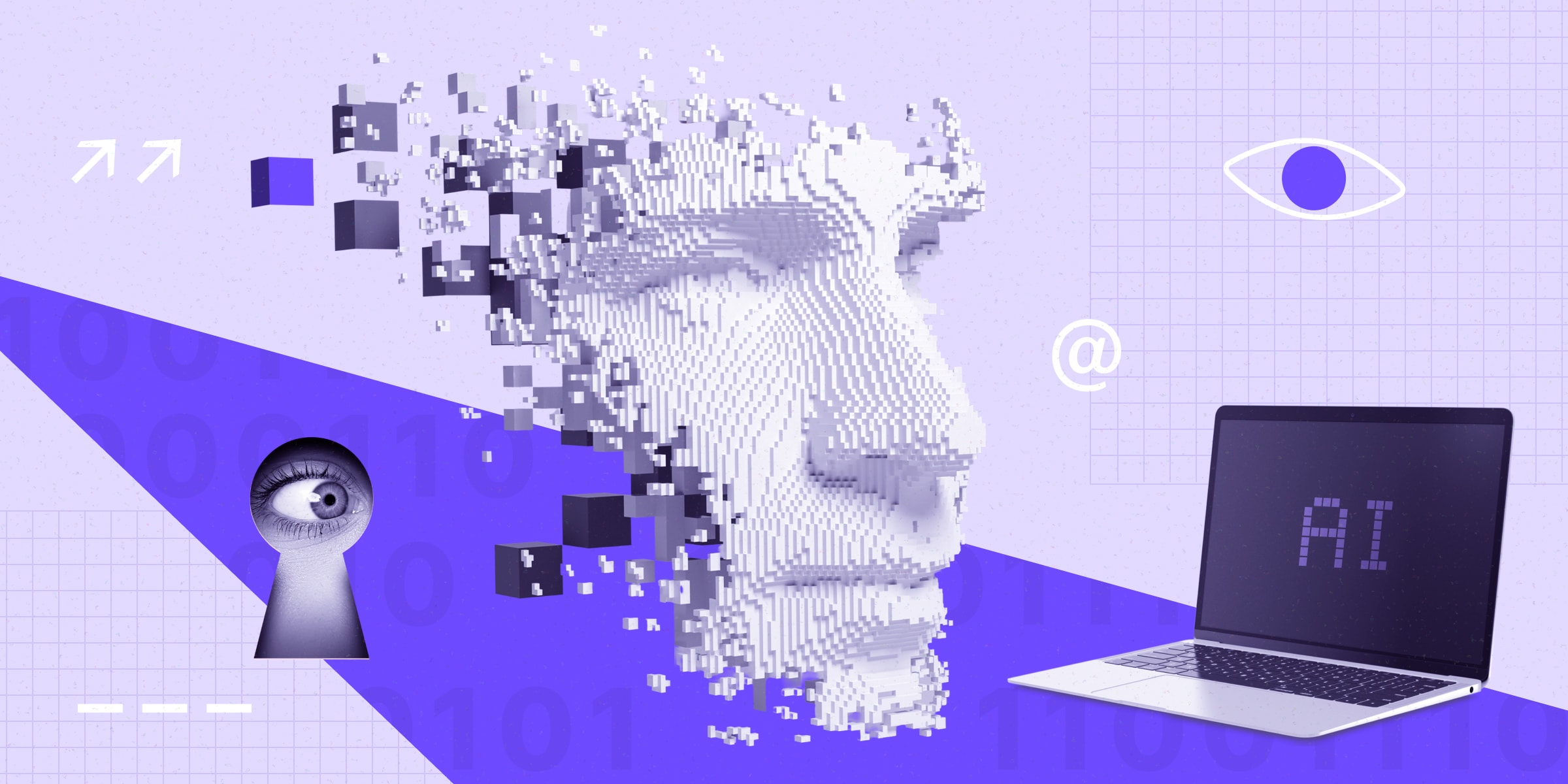
Made a simple Discord bot for the userandagents.com community which archives all messages and links from users who opt-in to a specific role, so we can distill into a model ( aggregate community brain) or make daily link digests or etc and whatnot. github.com/autonome/phenomena

GitHub - autonome/phenomena: Discord bot for userandagents.com
github.com
