


On the streets of early 20th-century America, nothing moved faster than 10 miles per hour. Responsible parents would tell their children, “Go outside and play in the streets,” all day. And then the automobile happened. And then automobiles began killing thousands of children, every year. Much of the public viewed the car as a death machine.
Fatal Distraction: Forgetting a Child in the Backseat of a Car Is a H…
archived 10 Jul 2025 23:27:06 UTC

Americans’ love affair with big cars is killing them
New analysis shows that the heaviest vehicles kill more people than they save in crashes

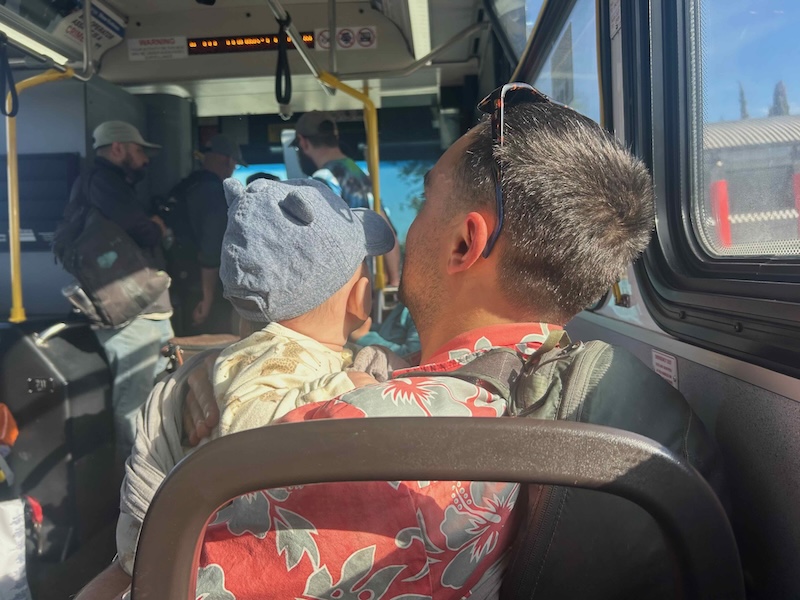
Moving Car-Free as a Parent
Observations & reflections on moving around with an infant–photo diaries included.
Fatal Distraction: Forgetting a Child in the Backseat of a Car Is a Horrifying Mistake. Is It a Crime?
Winner of the 2010 Pulitzer Prize for Feature Writing.

The Deadly Rise of Giant Trucks and S.U.V.s
The vehicles on American roads have grown larger — and they are killing thousands more pedestrians, a Times investigation found.

How Liminalism Became the Defining Aesthetic of Our Time
This crowd-curated digital movement is one of the most pertinent and explicit reactions to our particular slice of dystopian late capitalism.
Kill Chain
On the automated bureaucratic machinery that killed 175 children
Meditations On Moloch
I. Allen Ginsberg’s famous poem on Moloch:What sphinx of cement and aluminum bashed open their skulls and ate up their brains and imagination? Moloch! Solitude! Filth! Ugliness! Ashcans and u…

How we lost the living Now
Before 1840, noon in Bristol happened about ten minutes after noon in London, and nobody much cared. The railway needed a common minute or it couldn't run - and that common minute is now a common nanosecond, shipped in real time.


The role of transportation in the persuasiveness of public narratives.
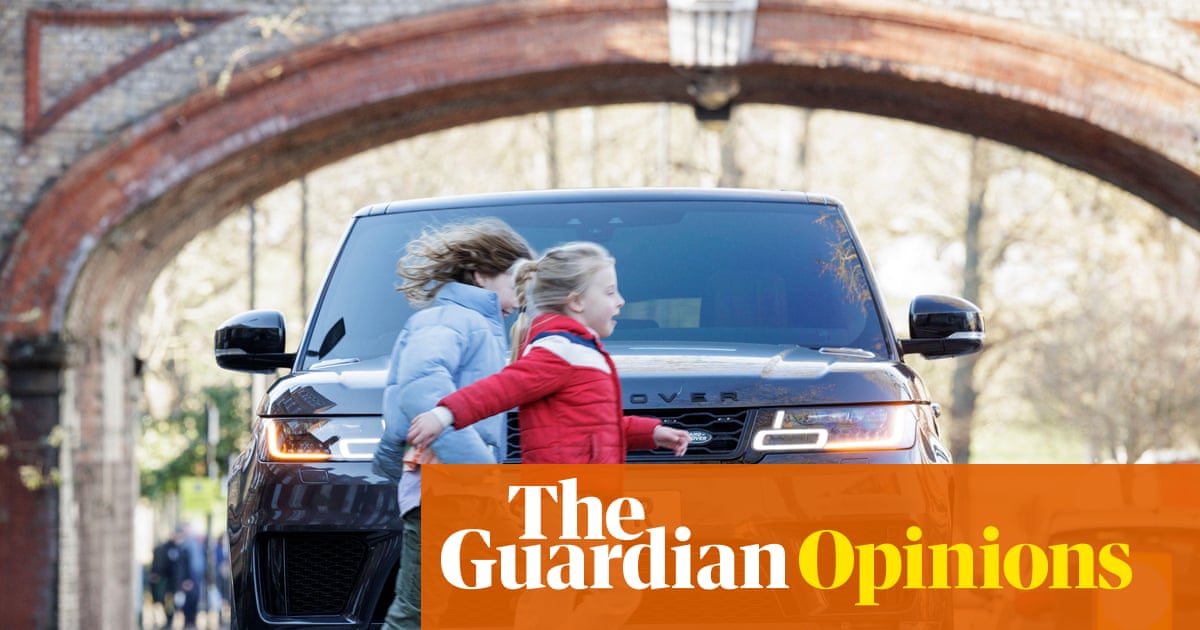
Britain’s cars and SUVs are growing bigger – but there is a way to stop this deadly ‘carspreading’ | Christian Wolmar
Larger vehicles crowd our roads and are far more dangerous to pedestrians. Let’s curb them before they do even more damage, says says transport commentator Christian Wolmar
Brett Scott (@brettscott)
Despite all the rhetoric about automation supposedly making our lives easier, the true story being told by Big Tech is that our lives are better when speeded up You are supposed to be in an ever-accelerating race, packing more units of experience into the same unit of time, a phenomenon that requires a contraction of patience and a blurring of experience as everything quickens In the end, this is what ‘convenience’ actually is. It’s a state of being in which you become disassociated and disengaged from the texture of the world around you. You pass through it dreamlike, and suddenly wake up decades years later as an elderly person on your deathbed, thinking “WTF happened”, as then the memory slips away

Speed: How It Explains the World - Vaclav Smil
In a world that feels like it’s moving faster than ever, Smil examines how our relentless pursuit of speed – in areas such as production, travel and communication – shapes not only our technological landscape but also our social and environmental realities. And through engaging anecdotes and striking statistics, Smil challenges the assumption that faster is always better.

cars are bad for humans

equity, mental, social, health issues caused by cars and car infra. #fuckcars

Motorists in one of a Montreal’s busiest boroughs support bike lanes
Killing someone with a car costs $1.6 million. California requires drivers to carry $30,000

Paying for driving
Will Canada’s gas tax holiday drive up emissions and help the rich? | The Narwhal

Transit push in Montreal could generate more GDP than vehicular focus: study - Montreal | Globalnews.ca
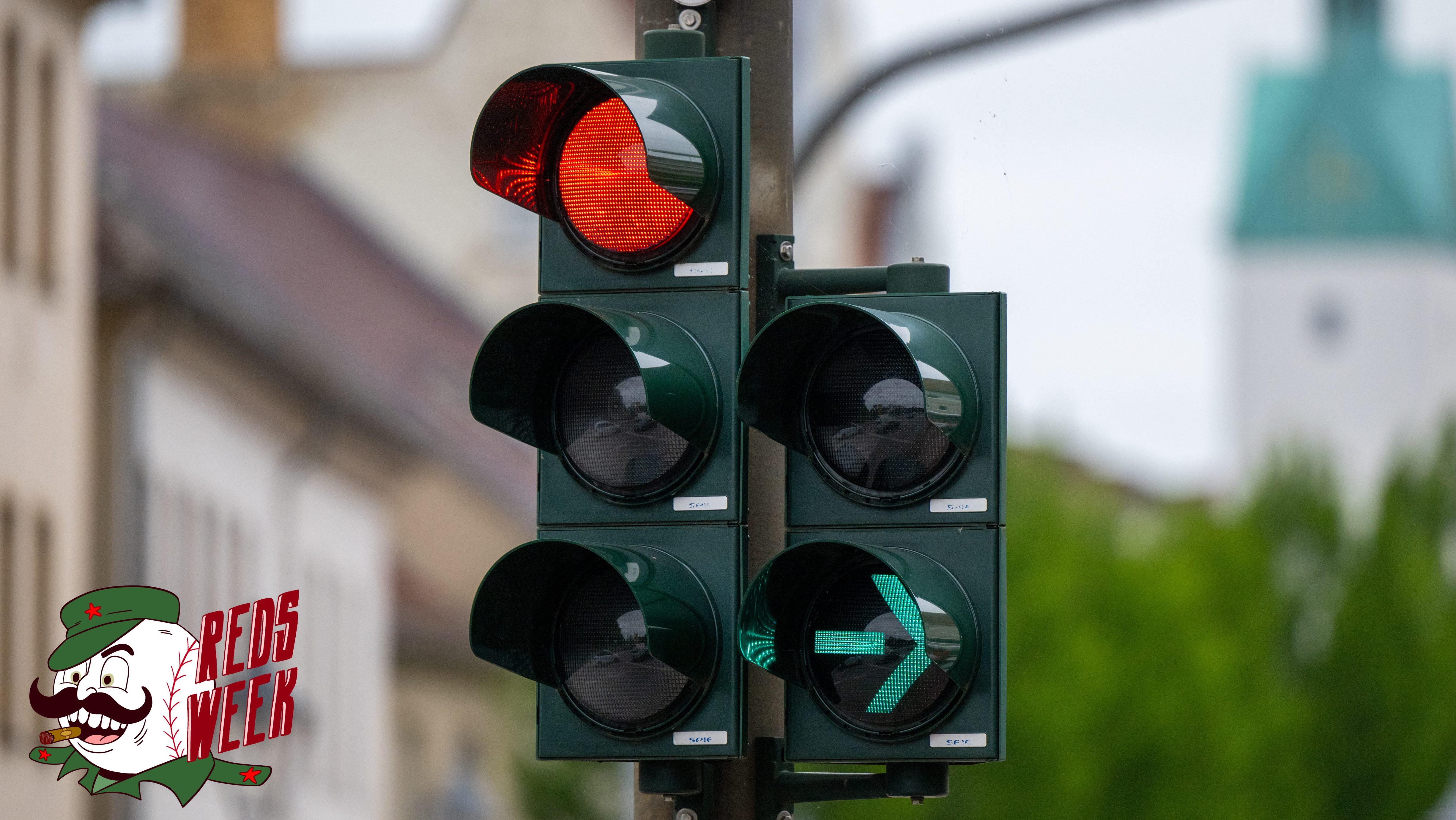
Every Right On Red Frays The Social Contract A Little Further | Defector