


“I’d be a billionaire if I could get a dollar for all the bullshit I hear today” –Big Sean, The One I felt a little odd writing that title. It’s a little like asking “Why should you give engineers big monitors?” If you have to ask the question, then you probably won’t understand the answer....
For Some, Paying Sales Commissions No Longer Makes Sense (Published 2013)
To many in competitive sales, switching to straight salary is blasphemy. But with pricing and policies readily available online, some see commissions as an impediment.

Is Big Tech's AI Gamble Starting to Look Riskier? - Slashdot
The Washington Post looks at giant tech companies "feeding every available dollar into the cash-incinerating maw of AI machines." They warn "Tech superstars that once had oodles of cash left over at the end of each year are now flipping into the red..." [While optimists expect] huge corporate p...

“Pricing Profitable Projects,” an article by Dan Mall
Make it work for them and you—in that order.

All Things Sales! 16 Mini-Lessons for Startup Founders | Andreessen Horowitz
As a former CEO and software engineer (Citrix, XenSource, VERITAS, etc.), board member of GitHub (recently acquired by Microsoft), and lecturer in management at the Stanford Graduate School of Busines, a16z general partner Peter Levine is constantly asked “Why sales?” by entrepreneurs and technical founders. He himself used to hold the “engineer-centric” view that if...

computational product market fit
‘computer science is no more about computers than astronomy is about telescopes.’ — edsger dijkstra
Why Amazon Has No Profits (And Why It Works) | Andreessen Horowitz
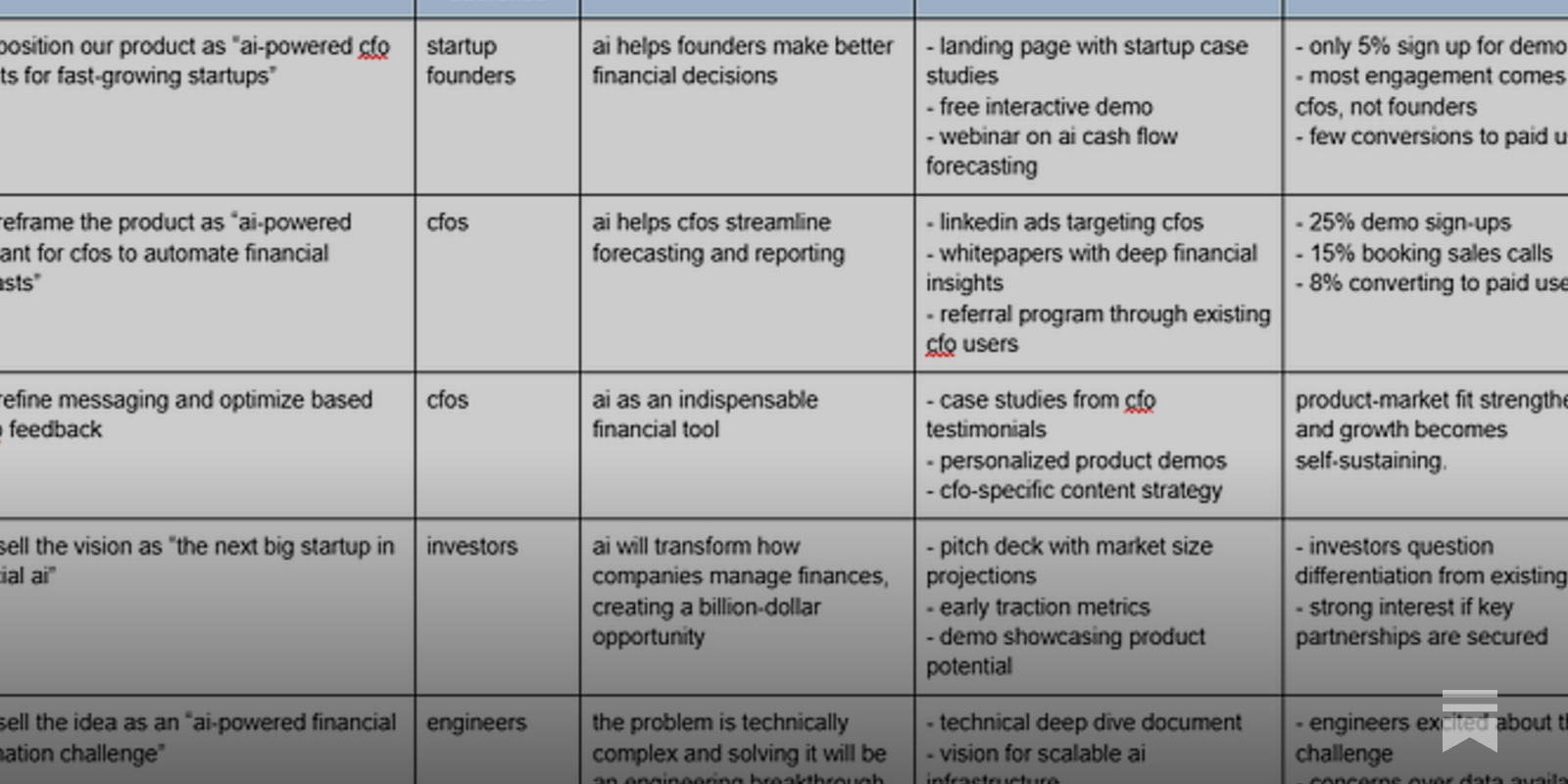
Amazon has a tendency to polarize people. On one hand, there is the ruthless, relentless, ferociously efficient company that’s building the Sears Roebuck of the 21st Century. But on the other, there is the fact that almost 20 years after it was launched, it has yet to report a meaningful profit. This chart captures the...
One State Found a Way to Make Billionaires Pay. Your State Could Be Next.
Why the super rich are inevitable
Why some mathematicians argue the economy is designed to create a few super rich people – unless we stop it.
The Everywhere Millionaire: Who Is Really Rich in America and How They Got There
From two leading economists comes a groundbreaking new portrait of the hidden fortunes of Main Street business owners—ordinary Americans who built extraordinary wealth and are quietly rewriting the rules of money and power. Most people think the path to great wealth runs through Wall Street or Silicon Valley. We’re told you must be a Zuckerberg, a Musk, or a Jamie Dimon to get rich. But this story is wrong. Drawing on unprecedented data from a decade of research and vivid real-life stories of entrepreneurs—from a self-made hot-dog stand billionaire to the heirs of an auto dealer—Zidar and Zwick reveal a surprising truth: prosperity is more attainable, more widely distributed, and closer to home than we imagine. A multitude of Americans have built staggering fortunes by running often unglamorous businesses far from the spotlight. A quiet revolution in the business world—the rise of “pass-through” firms like S-corporations and partnerships—supercharged this wealth, channeling vast income directly to business owners rather than traditional corporations.Part economic detective story, part roadmap to riches, this book reveals: —The Hidden 1%: They might be a local beer distributor, a dentist with a regional network of practices, a commercial HVAC contractor with trucks around town, or a restaurateur who keeps opening new locations. For every public company CEO, more than a thousand private business owners each have transformational wealth.— The Blueprint for Wealth: Zidar and Zwick describe where Main Street Millionaires come from, how they grew rich, and how much money they make. Their stories suggest the American Dream is not dead and many paths to prosperity remain open today. — Power Brokers: Armed with their fortunes, Main Street Millionaires wield power in city halls, statehouses, and Washington, often bending policy to protect what they’ve built. They are both growing the economic pie and grabbing bigger slices for themselves.The Everywhere Millionaire celebrates the stories of entrepreneurs who seized opportunities while asking hard questions about how concentrated wealth and power shape society. It is an essential guide to seeing the economy as it really is and recognizing the surprising paths to prosperity—and influence—everywhere.
Who Pays For The Decentralized Web?
I recently attended the Decentralized Web Summit where industry giants Vint Cerf and Tim Berners-Lee spoke about designing a new…
David Graeber: "Spotlight on the financial sector did make apparent just how bizarrely skewed our economy is in terms of who gets rewarded"
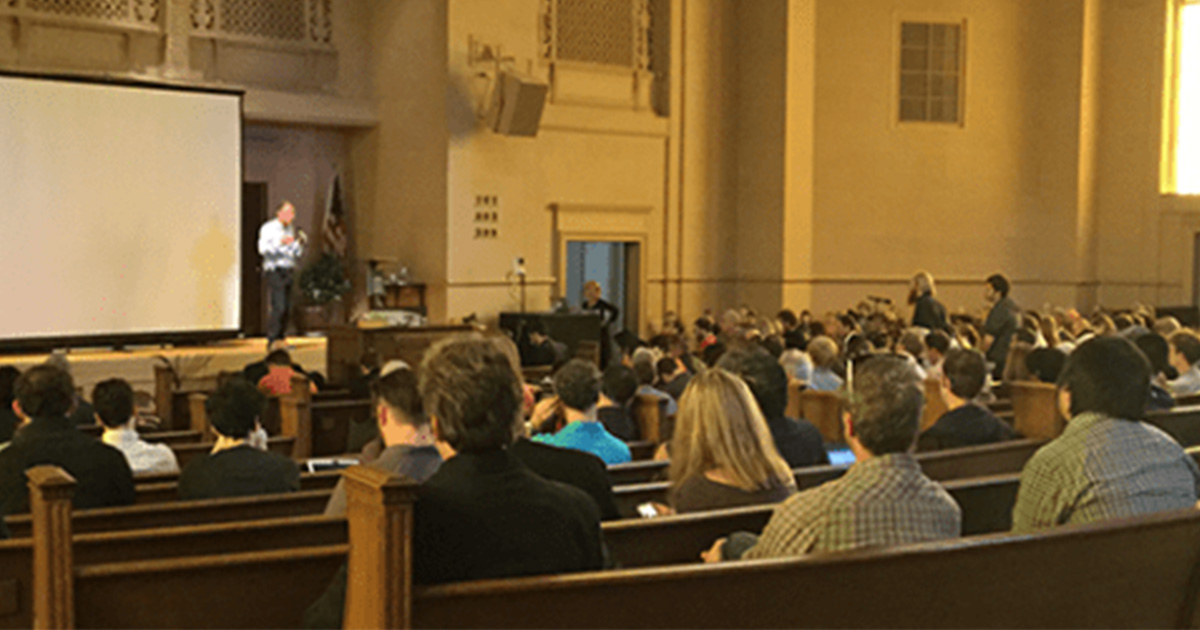
David Graeber explains why the more your job helps others, the less you get paid


Why infinite scroll's inventor wants to kill his creation : The Indicator from Planet Money
We practically live on our phones these days. Scrolling and scrolling, endlessly. Entrepreneur Aza Raskin is responsible for creating this infinite scroll. He also testified against Meta, who have been under fire — and in court — charged with making their apps addictive to children. On today’s show: Raskin tells us about the changes he thinks platforms should make to help people take their attention back. Come see Planet Money live on stage! 12 cities. Details and tix here: planetmoneybook.com Related episodes: The Social Media Crisis How algorithms are changing the way we speak For sponsor-free episodes of The Indicator from Planet Money, subscribe to Planet Money+ via Apple Podcasts or at plus.npr.org. Fact-checking by Cooper Katz McKim. Music by Drop Electric. Find us: TikTok, Instagram, Facebook, Newsletter.

Apple's Student Discount
Shopify CEO endorses idea to give more votes to wealthy Canadians | CBC News
The billionaire CEO of one of Canada's largest companies has come under fire for endorsing stripping voting rights from some and giving more votes to the ultra wealthy. Shopify CEO Tobi Lütke replied positively to a post on X suggesting a system of "weighted voting proportional to the amount of income tax you pay," from no votes for people who don't pay income tax to five votes for anyone paying $500,000 or more.

