

How we built a cross-browser glass effect for the web, and how it shapes a family of components.
Why build a new browser? From intuition to reality - Blog | Lightpanda
Three years ago when we started Lightpanda, we asked ourselves a seemingly simple question what would a browser look like if it were built specifically for automation?


Dweb: Serving the Web from the Browser with Beaker – Mozilla Hacks - the Web developer blog
Publishing and sharing is core to the Web’s ethos, yet to publish your own website or even just share a document, you need to know how to run a server, ...
All you need is links
When Tim Berners Lee talks about how he designed the web, he uses an analogy from physics, describing his process as a quest to find “fundamental laws” which can generate a desired system:
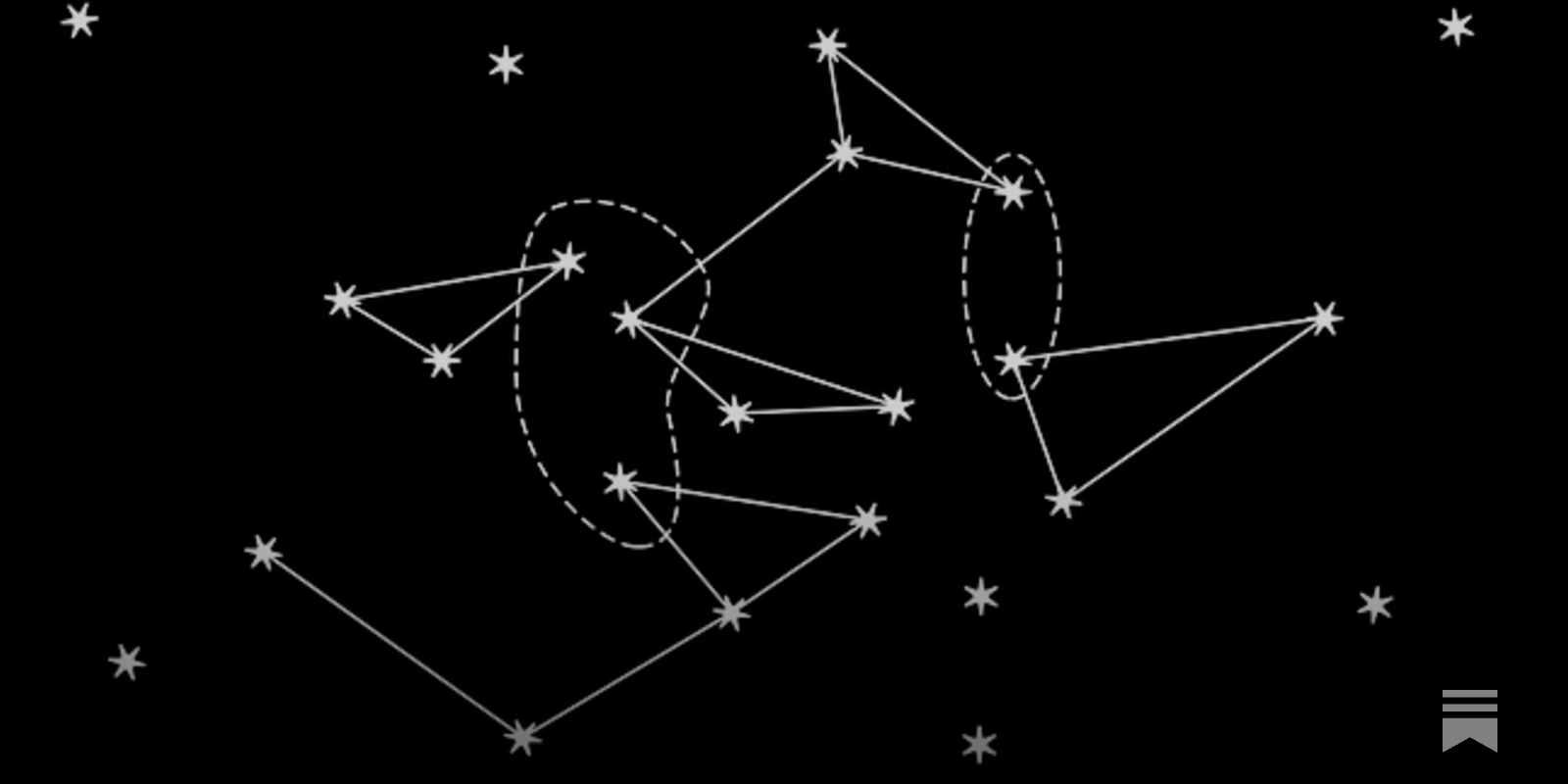
All you need is links
When Tim Berners Lee talks about how he designed the web, he uses an analogy from physics, describing his process as a quest to find “fundamental laws” which can generate a desired system:
All you need is links
When Tim Berners Lee talks about how he designed the web, he uses an analogy from physics, describing his process as a quest to find “fundamental laws” which can generate a desired system:
All you need is links
When Tim Berners Lee talks about how he designed the web, he uses an analogy from physics, describing his process as a quest to find “fundamental laws” which can generate a desired system:
How might a browser be developed?
There’s a confluence of things that have happened recently that have made me question how browsers might be developed: On January 8th 2026, Simon Willison predicted that someone will build a browser using mainly AI-assisted tools within 3 years On January 27th 2026, one human and one agent built a browser from scratch (great experiments) On the 19th February 2026, news came out that Taalas had a chip that can spit out nearly 17,000 tokens per second by baking a model onto the chip. I would like to indulge in a little bit of projection and in my case, some science fiction of my own.

Beaker Browser MVP Review: 0 use cases + 4 years of engineering = 0 users
Beaker Browser is an open-source “peer-to-peer browser for Web hackers” project led by Paul Frazee and Tara Vancil. Here’s the kind of…

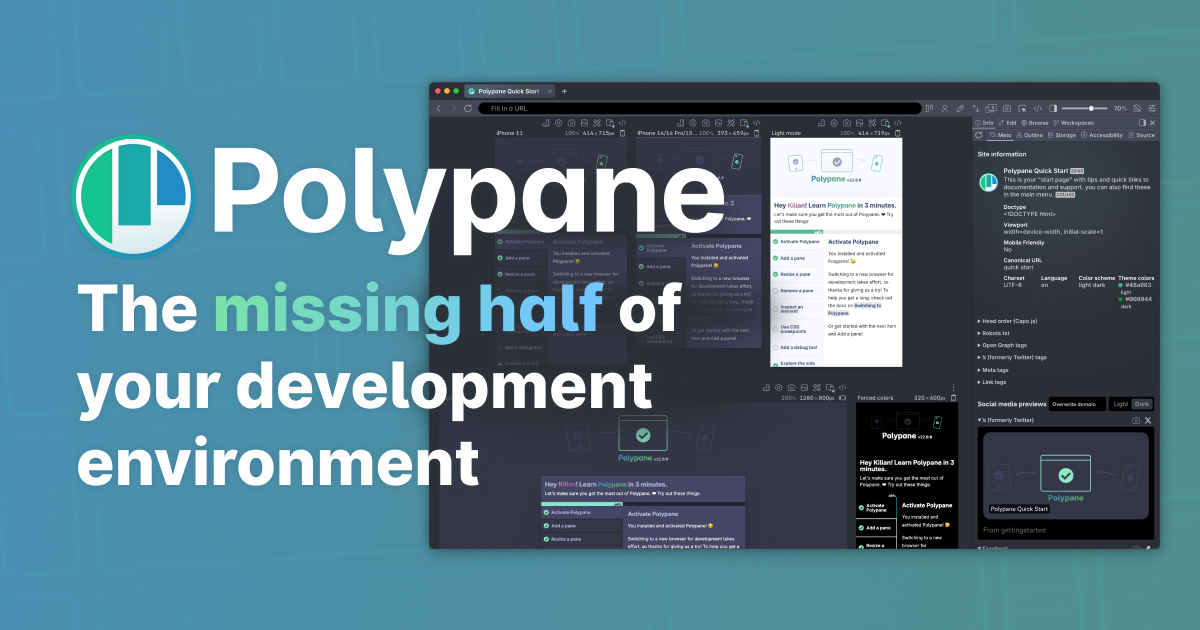
Polypane. The missing half of your web development environment.
A development browser for professional web developers. Build and test responsive, accessible websites with multi-viewport previews and accessibility tooling.
James Webb Wall Mirror - Etsy
Discover unique wall mirrors, from vintage space-age designs to organic wood creations. Find artful glass pieces and telescope-themed decor.

The Browser is the Computer! by Daniel Lopez & Angel De Miguel @ Wasm I/O 2025
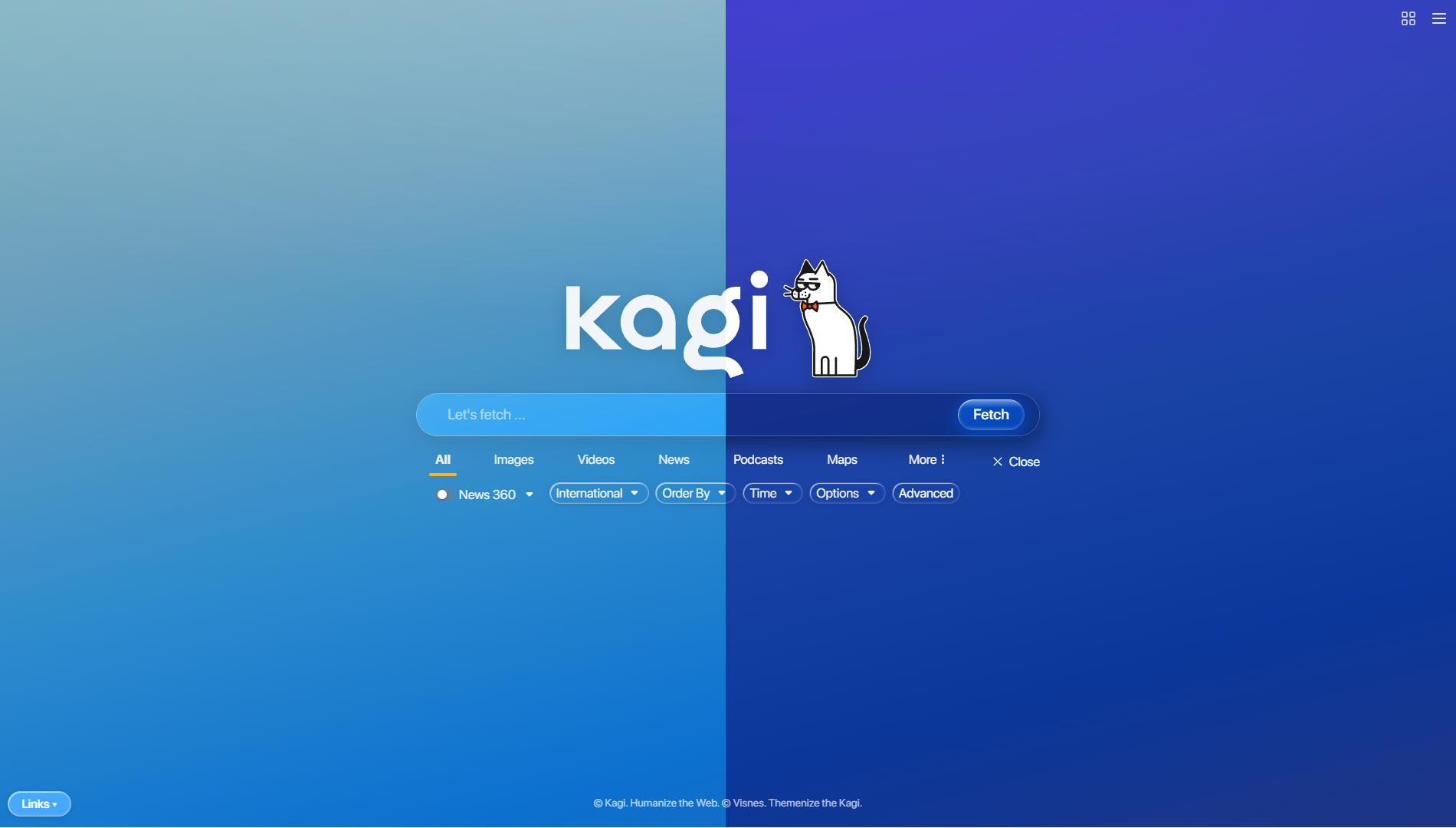
Mac OS Liquid Glass - Kagi Search Theme
A modern and sleek custom theme for Kagi based on liquid glass introduced in Mac OS Tahoe. **Features** - Automatic dark and light mode based on system - All(?) elements have been skinned - You can configure look at top of file - Responsive to desktop, tablet & mobile - Refracts what's behind elements **Install** - Go to Appearance and change theme to "Default" - Enable Custom CSS, paste content of custom.css and save **[Github repo](https://github.com/Visnes/kagi-liquid-glass)**
Shoelace: A forward-thinking library of web components.
Hand-crafted custom elements for any occasion.
Web Components

I still don't entirely know what these are but they seem cool
atproto-wc · atproto-wc
ATmentions
W1C Docs

Florian Schepp (@scheppening.com)