How we built a cross-browser glass effect for the web, and how it shapes a family of components.
Why build a new browser? From intuition to reality - Blog | Lightpanda
Three years ago when we started Lightpanda, we asked ourselves a seemingly simple question what would a browser look like if it were built specifically for automation?


Dweb: Serving the Web from the Browser with Beaker – Mozilla Hacks - the Web developer blog
Publishing and sharing is core to the Web’s ethos, yet to publish your own website or even just share a document, you need to know how to run a server, ...
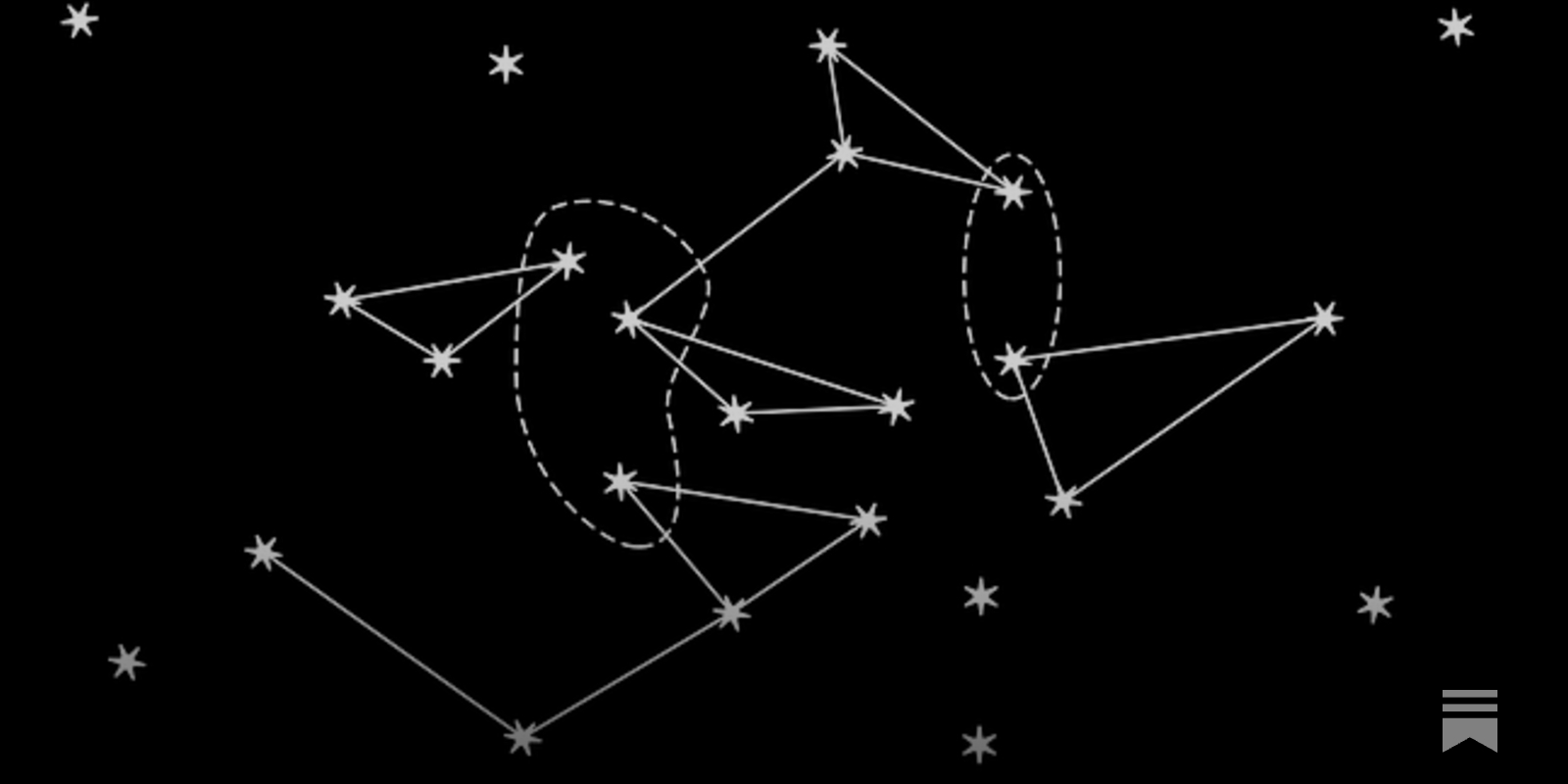
All you need is links
When Tim Berners Lee talks about how he designed the web, he uses an analogy from physics, describing his process as a quest to find “fundamental laws” which can generate a desired system:
All you need is links
When Tim Berners Lee talks about how he designed the web, he uses an analogy from physics, describing his process as a quest to find “fundamental laws” which can generate a desired system:
All you need is links
When Tim Berners Lee talks about how he designed the web, he uses an analogy from physics, describing his process as a quest to find “fundamental laws” which can generate a desired system:
How might a browser be developed?
There’s a confluence of things that have happened recently that have made me question how browsers might be developed: On January 8th 2026, Simon Willison predicted that someone will build a browser using mainly AI-assisted tools within 3 years On January 27th 2026, one human and one agent built a browser from scratch (great experiments) On the 19th February 2026, news came out that Taalas had a chip that can spit out nearly 17,000 tokens per second by baking a model onto the chip. I would like to indulge in a little bit of projection and in my case, some science fiction of my own.

Beaker Browser MVP Review: 0 use cases + 4 years of engineering = 0 users
Beaker Browser is an open-source “peer-to-peer browser for Web hackers” project led by Paul Frazee and Tara Vancil. Here’s the kind of…

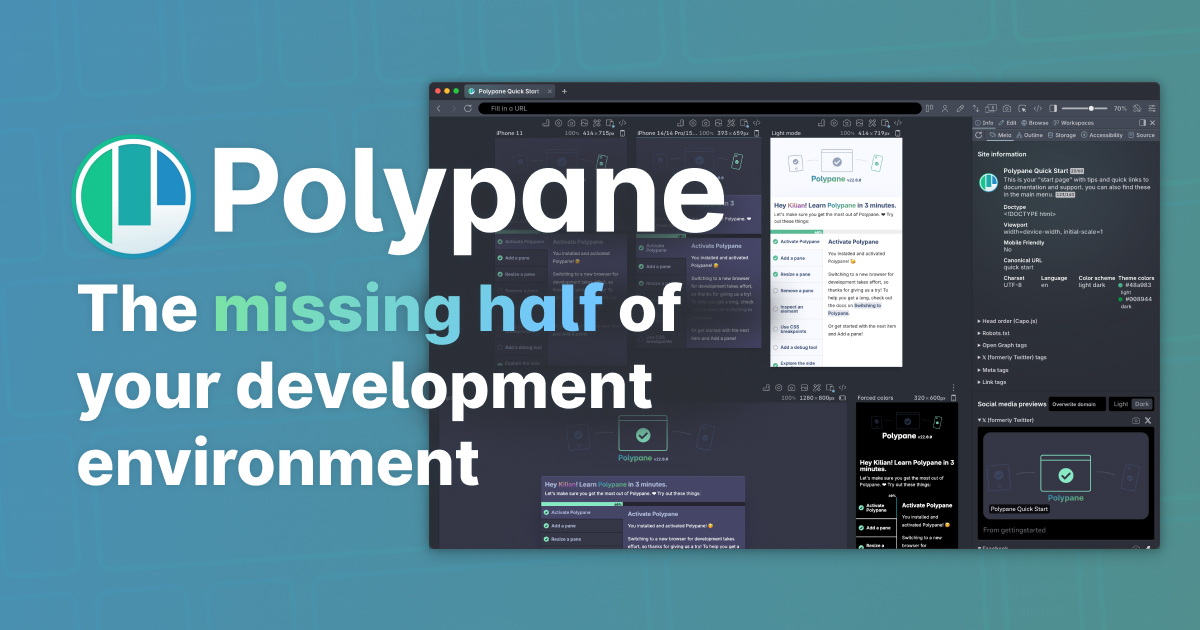
Polypane. The missing half of your web development environment.
A development browser for professional web developers. Build and test responsive, accessible websites with multi-viewport previews and accessibility tooling.
The Browser is the Computer! by Daniel Lopez & Angel De Miguel @ Wasm I/O 2025
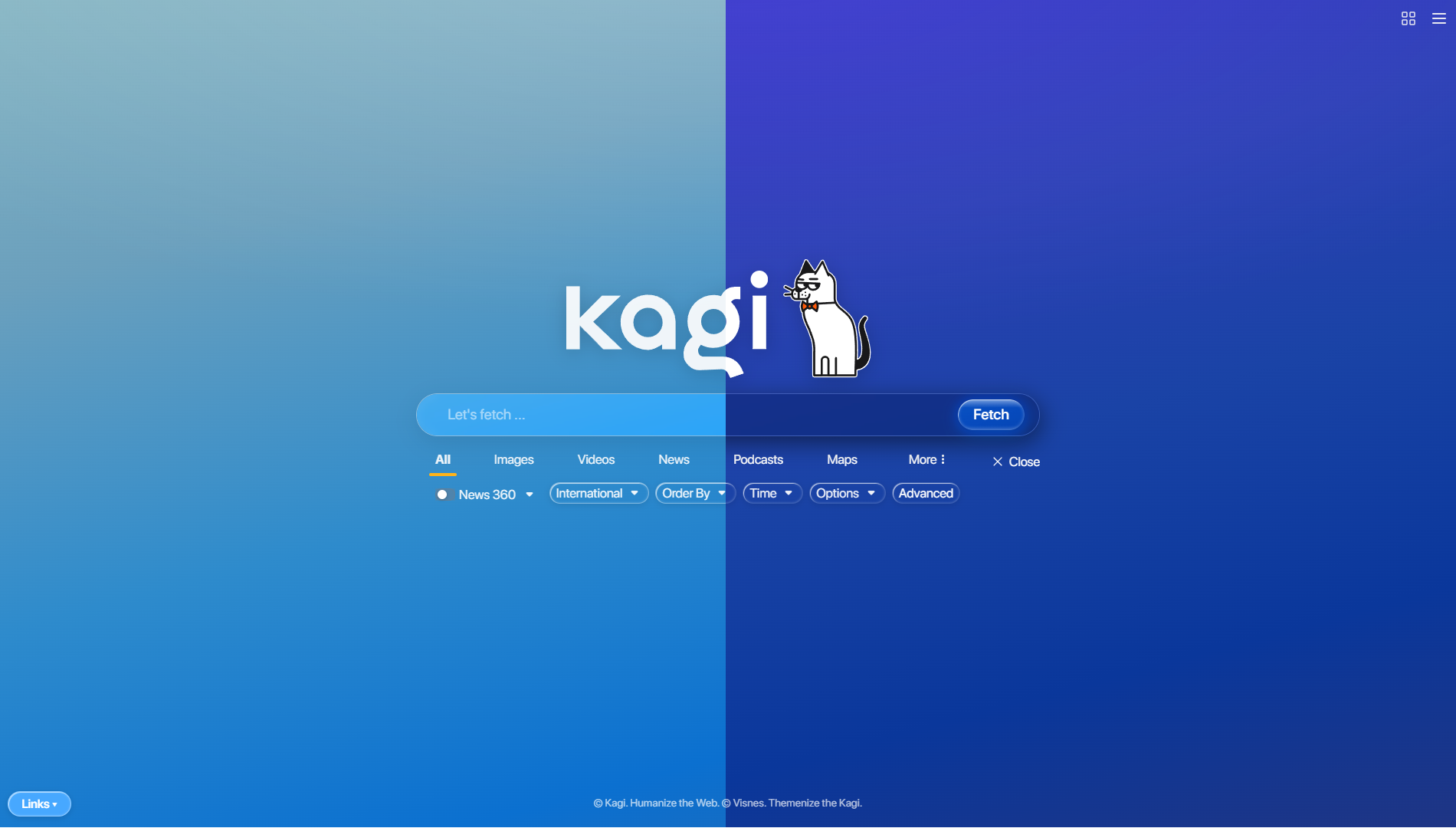
Mac OS Liquid Glass - Kagi Search Theme
A modern and sleek custom theme for Kagi based on liquid glass introduced in Mac OS Tahoe. **Features** - Automatic dark and light mode based on system - All(?) elements have been skinned - You can configure look at top of file - Responsive to desktop, tablet & mobile - Refracts what's behind elements **Install** - Go to Appearance and change theme to "Default" - Enable Custom CSS, paste content of custom.css and save **[Github repo](https://github.com/Visnes/kagi-liquid-glass)**
Shoelace: A forward-thinking library of web components.
Hand-crafted custom elements for any occasion.
Web Components Are Not the Future
A few years ago I wrote an article suggesting that Web Components might not be the most beneficial...

Hypermedia Systems
The revolutionary ideas that empowered the Web. A simpler approach to building applications on the Web and beyond with htmx and Hyperview. Enhancing web applications without using SPA frameworks.
The Blog of Maxime Heckel
Hi I'm Maxime, and this is my blog. In here, you'll find all the articles I wished I had when I was learning about web development, shaders, real-time 3D on the web, and more. Each piece I write aims to dive deep into the topics I'm passionate about, while also making complex topics more accessible through interactive playgrounds, visualization, and well detailed walkthroughs. My goal is to give you the tools and intuition to explore further on your own.