


This post examines Docker Hub pull limits, package registry lock-in, and why open source distribution needs better user-focused infrastructure.
Nobody pays for open source. We can force them to. | Seldo.com
Thirty years of voluntary funding schemes haven't paid open source maintainers because asking doesn't scale. The real money already flows — to JFrog, Docker, Sonatype — at the registry layer. The fix: registries charge companies for supply (they already do), then route a slice automatically to the maintainers who make that supply worth having.
The $70B Open Source Software Paradox
It’s no news that over the last 10-15 years, particularly noticeable in the last 5 years, the enterprise software industry has gradually transformed from complex, expensive, closed-source (proprietary) software stacks to extensible/configurable,...

The crusade against open-source abuse | TechCrunch
There’s a dark cloud on the horizon. The behavior of cloud infrastructure providers threatens the viability of open source. Thankfully, several leaders have mobilized to propose multiple solutions.

Open Source Hype Antidote
critical and alternative views on free and open source software

A plan for open source software maintainers
It seems to me that this is a case where problems are in fact solutions to other problems. To wit:
The Rise of Open Source Challengers
A look at how OSS takes over the application layer + the potential end of closed source software categories

The shape of open source
At its core, open source is about collaboration. Whether it’s version control, licenses, or issue trackers—everything exists to support people working with each other. Open source embodies a model for…

Is open source broken or are we breaking it? - jsmanrique.es
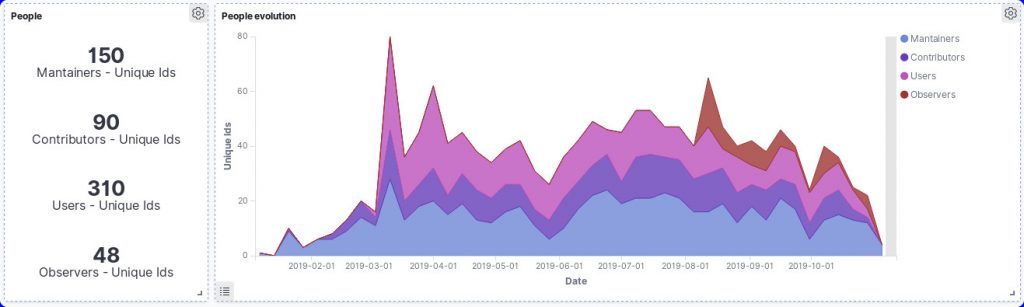
Following my previous post, I’d like to keep sharing some personal humble thoughts about on going debates around open source status. This post is focus on the so called unbalanced relationship between open source software maintainers and open source software users. Who are the open source software maintainers? And the users? People develop and maintain … Continue reading "Is open source broken or are we breaking it?"
NSF investing in secure open-source ecosystems
Open-source software is ubiquitous, supporting artificial intelligence, data science, cloud computing, telecommunications and scientific research tools. Despite these benefits, the number of open-source developers is relatively small, and many projects lack sufficient resources, slowing the pace of innovation and making maintenance difficult. In addition, weaknesses in open-source software, such as security flaws, supply chain risks or insider threats, can spread across many connected systems. In extreme cases, these weaknesses could lead to large-scale failures that affect national or global systems.

The next wave in software is open adoption software | TechCrunch
There’s a big shift happening in how enterprises buy and deploy software. In the last few years, open technology -- software that is open to change and free to adopt -- has gone from the exception to the rule for most enterprises. We’ve seen the IT stack redrawn atop powerful open-source projects, with developers opting for an “open-first” approach to building solutions.

Sustaining Open Source Software
The ‘open source sustainability’ debate continues with yet-another-company relicensing their product away from an open source license to…

Open source and the software supply chain
Managing something as esoteric as resources for building software with a variety of contributions made by the open source community is more amorphic.

Open Source Saturation
In Supporting Open Source Software I discussed the critical need for better support for contributors to open source projects. Now, Quo Vadi...

Open Source is Broken
The Open Source movement, as championed by the OSI, prizes absolute openness above all other concerns...
Open Source is Broken
The Open Source movement, as championed by the OSI, prizes absolute openness above all other concerns...
Coraline Ada Ehmke: The Rising Ethical Storm in Open Source
In the twenty years since the term “open source” was coined by Christine Peterson, our community has grown astronomically, all the while learning from its successes and failures. A lot has changed for open source developers in the past two decades. But the political and technological landscape has also changed.