Abstract. Movements of the Mind explains what it is to be an agent. Focusing on mental agency, the book’s eponymous topic, it investigates an agent’s doing
The Self-Evidencing Agent: Mind, Existence, and Predictive Processing
How the concept of self-evidencing offers a philosophical principle for understanding mind and behavior, consciousness, value, wisdom, and meaning.What is

AI: A Guide for Thinking Humans | Melanie Mitchell | Substack
I write about interesting new developments in AI. Click to read AI: A Guide for Thinking Humans, by Melanie Mitchell, a Substack publication with tens of thousands of subscribers.


Signaling as a Service
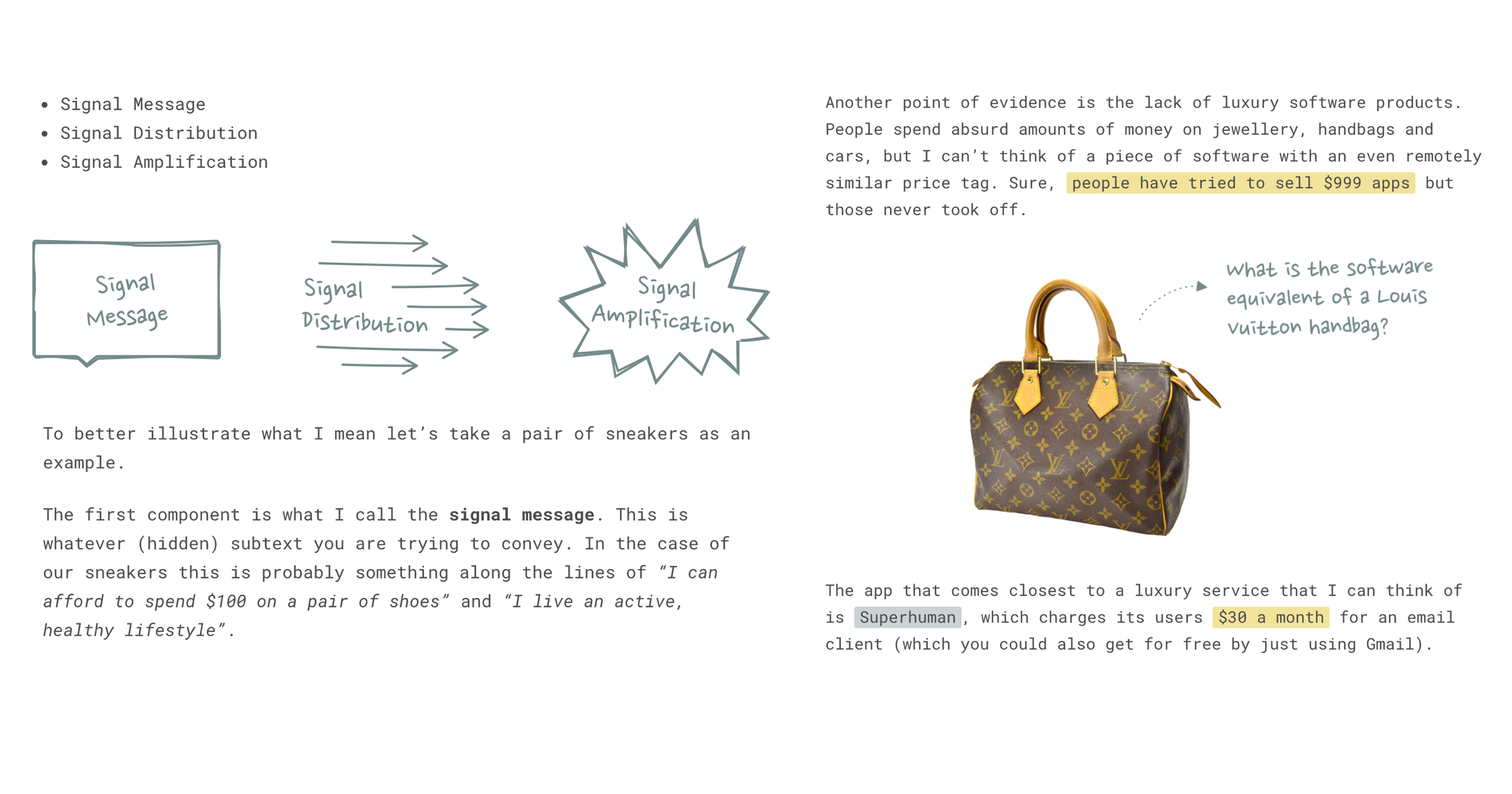
01 Intro One of the best books I have read in the last few years is The Elephant in the Brain by Robin Hanson and Kevin Simler. The book makes two main arguments: a) Most of our everyday actions can be traced back to some form of signaling or status seeking b) Our brains deliberately hi
Agents
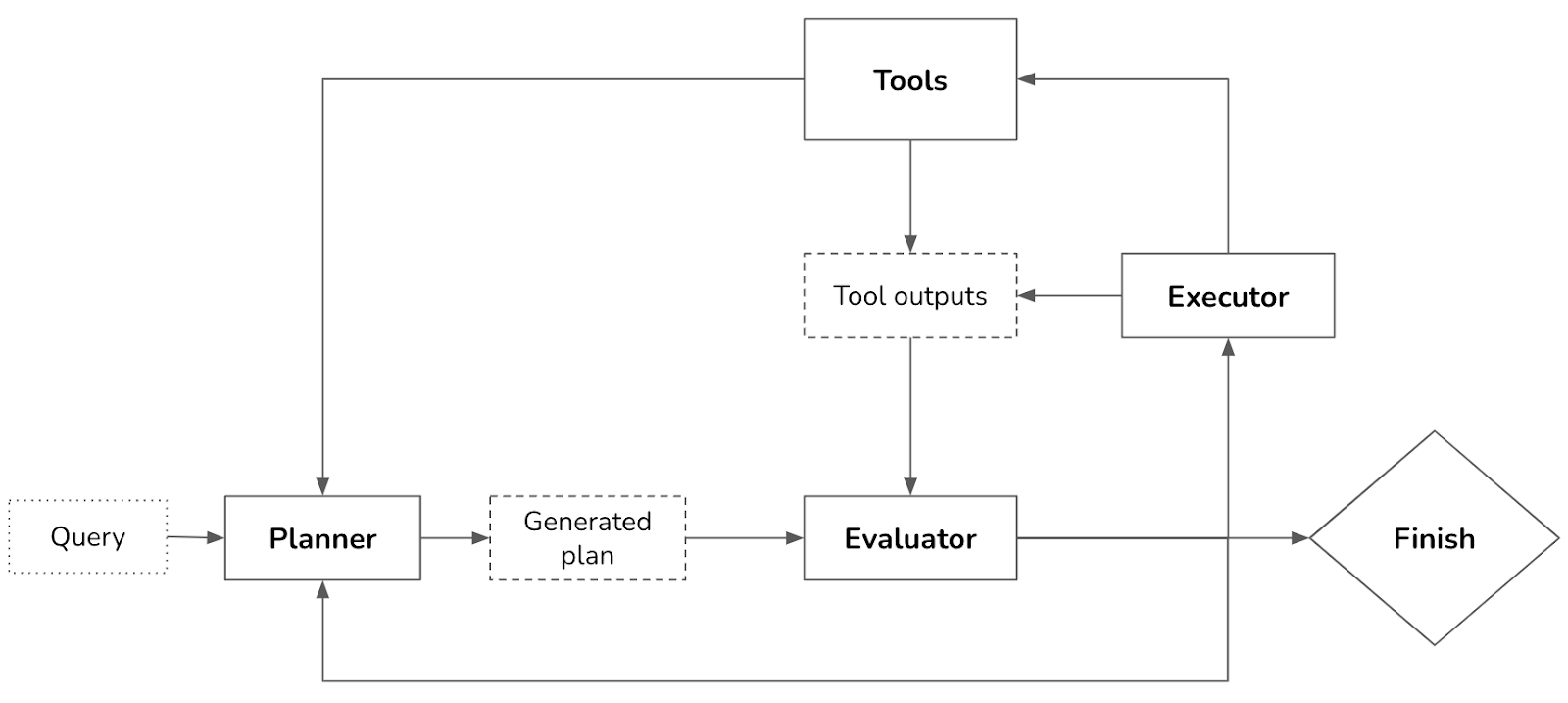
Intelligent agents are considered by many to be the ultimate goal of AI. The classic book by Stuart Russell and Peter Norvig, Artificial Intelligence: A Modern Approach (Prentice Hall, 1995), defines the field of AI research as “the study and design of rational agents.”
Will we have a theory for in-the-wild AI agents? - undisciplinary
Thoughts after writing a sociology-meets-physics-meets-agents paper I just put out a preprint out on a theory of role emergence in multi-agent systems (soci…
Headlong: a microharness for persistent agents
Self-guided agents that think continuously

233. "The Illusion of Thinking" — Thoughts on This Important Paper
This is a fantastic paper. I just love it. tl;dr AI is not human. Anthropomorphization has been bad for AI, LLMs, and Chat. Clippy walked so today's AI could run.
562 – Ecological Cognition III: Radical Embodied Cognitive Science (part 1)
562 Continuing the journey in understanding the Ecological approach to cognition by looking at Tony Chemero’s book: Radical Embodied Cognitive Science. Conceptualizing cognition in terms of agent-environment dynamics instead of computation and representation. What is RECS, and where did these ideas come from?Download link

A revolution in our sense of self | Nick Chater
Psychologists have tried to plumb the depths of human motivation to make sense of our behaviour. But our inner mental world is a fiction, sustained by constant improvisation
Composing Action: Representative Agents and the Search for Viable Arrangements | shishyko!
Why promising ideas die between discovery and action, and how representative agents might help
Agentic Fediverse | The Paper Pilot
The Paper Pilot's digital garden of thoughts on philosophy, politics, and sociology
Dec 2020 -- Jelle Bruineberg -- Embodied cognition and the attention crisis
Rethinking the cognitive foundations of the attention economy
The attention economy is the economic system in which human attention is the scarce resource. This literature takes a particular passage in Herbert Simon’s seminal Chapter Designing Organization fo...

Agents as scaffolding for recurring tasks.
One of my gifts/curses is an endless fixation with how processes can be optimized. For a brief moment early in my career, that was focused on improving how humans collaborate, but that quickly switched to figuring out how we can minimize human involvement, and eliminate human-to-human handoffs as much as possible. Lately, every time I perform a recurring task–or see someone else perform one–I think about how we might eliminate the human’s involvement entirely by introducing agents. This both has worked well, but also worked poorly, and I wanted to highlight the pattern I’ve found useful.