


Summary. The term artificial intelligence (AI) is typically used as if it refers to a coherent, extant or near-future set of technologies, but, in fact, it
Artificial intelligence
Artificial intelligence (AI) is the capability of computational systems to perform tasks typically associated with human intelligence, such as learning, reasoning, problem-solving, perception, and decision-making. It is a field of research in engineering, mathematics and computer science that develops and studies methods and software that enable machines to perceive their environment and use learning and intelligence to take actions that maximize their chances of achieving defined goals.[1]
AI is An Ideology, Not A Technology
At its core, "artificial intelligence" is a perilous belief that fails to recognize the agency of humans.
Artificial Intelligence Glossary | Stanford HAI
Artificial Intelligence (AI) is rapidly growing, with new terms and concepts being introduced at a breakneck speed. You may have seen terms such as AGI, machine learning, or foundation models in media headlines, emerging legislation, or in your everyday life.
Artificial intelligence glossary: 60+ terms to know
Use this comprehensive glossary of AI terms to understand the language of artificial intelligence.

Wikipedia:Artificial intelligence resources
This is a directory related to artificial intelligence (AI) in various administrative namespaces including; protocols, essays, collaboration groups, maintenance resources, discussions and news.
Artificial intelligence how is it different from human intelligence?
Discover key differences between artificial intelligence and human intelligence in this post from MSc AI Programme Director Rameez Kureshi.
Artificial Intelligence Act
The Artificial Intelligence Act is a European Union regulation concerning artificial intelligence (AI). It establishes a common regulatory and legal framework for AI within the European Union (EU). The regulation entered into force on 1 August 2024, with provisions that shall come into operation gradually over the following 6 to 36 months.

What Does 'Human-Centred AI' Mean?
While it seems sensible that human-centred artificial intelligence (AI) means centring "human behaviour and experience," it cannot be any other way. AI, I argue, is usefully seen as a relationship...

Deep Research, information vs. insight, and the nature of science
What AI will accelerate in the scientific process, what it cannot do, and how we can prepare for new manners of scientific investigation.
Glossary of Terms for Artificial Intelligence | Columbia Business School
Columbia University in the City of New York 665 West 130th Street, New York, NY 10027 Tel. 212-854-1100
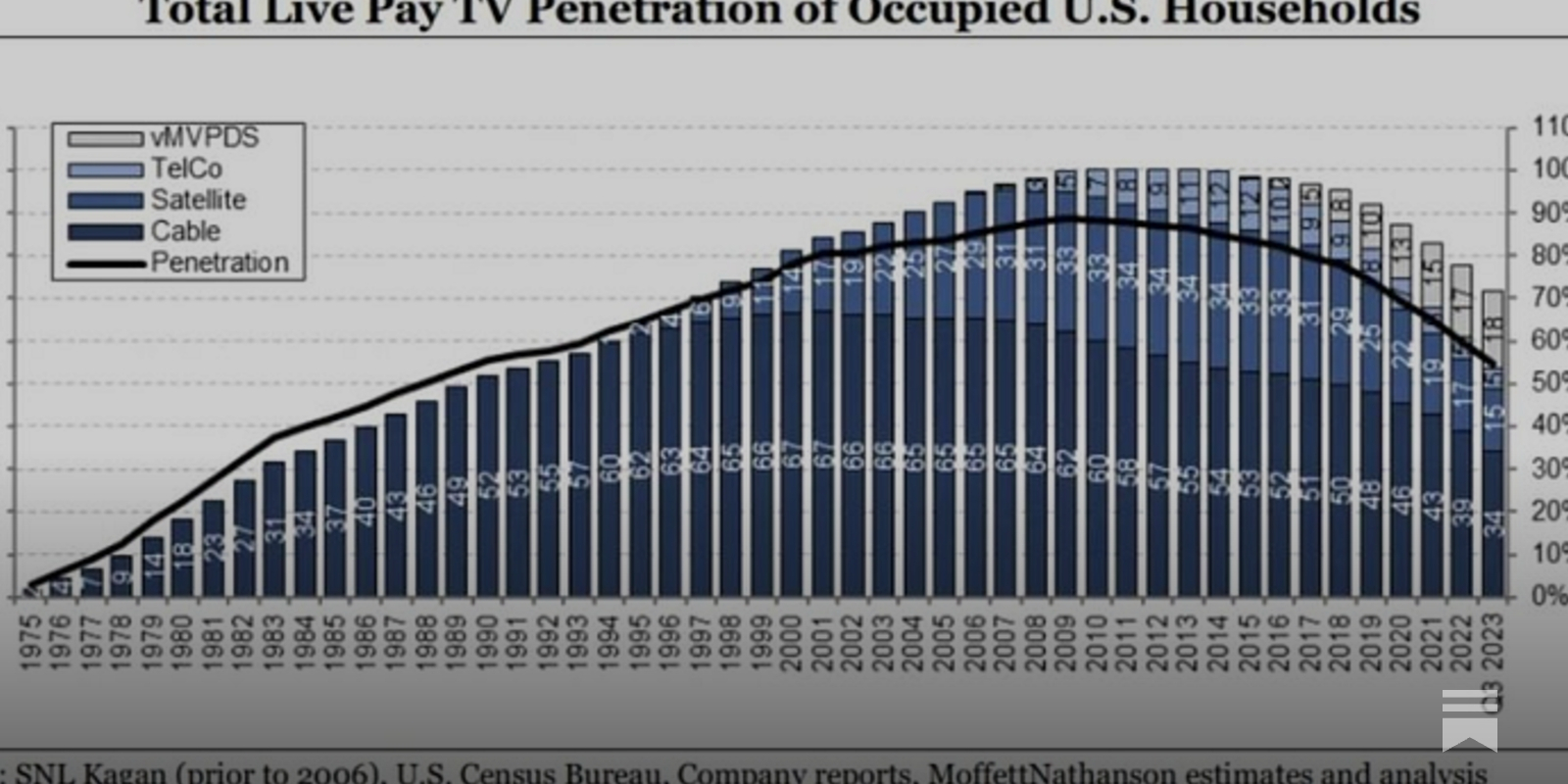
AI is Creating Peak Software, Media is the Best Analogy
Let's learn more about the world's most important manufactured product. Meaningful insight, timely analysis, and an occasional investment idea.
Intelligence Rising
Artificial Intelligence (AI) is expected to be one of the most transformative technologies in human history.

Ali Alkhatib: Defining AI
The main issue I have with a lot of work that tries to define AI is that the criteria they use to draw boundaries often turn out to be functionally useless for my needs; these definitions lead us to weird places, letting scholars fixate on strange, unworkable frameworks. Those pedantic fixations don’t really benefit the organizers, activists, regular people who are getting crushed by the systems they’re trying to work against. So I’m going to try to unpack how I think about AI; how I trace the boundaries of the term in a way that’s as useful as possible for me and my needs; and how I would encourage you to scope or define ideas that are important to your work.
A Collectivist, Economic Perspective on AI
Information technology is in the midst of a revolution in which omnipresent data collection and machine learning are impacting the human world as never before. The word ``intelligence'' is being...
When people ask me what the phrase "artificial intelligence" means, my short answer is, it means "venture capitalists, give me some money". But OUP asked me for a longer answer, given here and summarized in the section headings: doi.org/10.1093/9780197852712.003.006…
And this includes any all scientific uses of AI and indeed any computational system, weather prediction, cancer research, medical imaging, mathematics, please just don't claim it's fine if you don't research automation in those areas. I'll post further resources below...

Emily M. Bender
But speaking of staying in one's lane, can we PLEASE switch the default position from "It's fine to use 'AI' for this thing I'm not an expert in" to "Yeah, I'd be really skeptical of any use cases and need to see strong evidence that it's okay, but I'm not the one who can produce that evidence"?
