


Abstract. Glossing a passage from Benjamin Constant’s Reflections on Constitutions, this article first assesses the roles performed by silences, gaps, and
The challenges of constitutional silence: Doctrine, theory, and applications
Abstract. In this introduction to our symposium on “Constitutional Silence,” we situate the articles in this collection and explore the significance of the

Soundings and Silences
In studying existing constitutions or in assisting with drafting a new one, it is impossible not to notice that formative decisions about what to say and what not to say as a constitution is being created bear heavily on later decisions about how to interpret what a constitution says or fails to say, including whether to construe any given silence or gap only as a source of insight or as a kind of performative utterance. Among the features of the United States Constitution that have been crucial to its success has been the widespread recognition of its connected structure that, despite its gaps—some deliberate and others unintended—invites understanding as a coherent, if at times internally inconsistent, whole. Constitutional silences, like silences of other kinds, are everywhere and come in many varieties. There are as many reasons to be silent as there are to speak and as many ways to hear meaning in the sounds of silence as there are to attribute meaning to statements. The first section of this essay distinguishes silences that open a constitutional conversation by leaving options on the table from those that shut conversation down by limiting the options to one. The second section separates silences that bear on the structure created by the Constitution from those that bear on the individual rights the Constitution protects against government infringement. The third section turns to the special case of silences in the Constitution’s rules of interpretation and asks whether the Supreme Court should be silent on a particular constitutional matter or should address it squarely, recognizing that whatever an authoritative interpreter says about what the Constitution itself says or omits can be evaluated only against the background alternative of somehow contriving to remain silent.

Constitutional Silences and Institutional Integrity
A constitution, like any document, leaves certain things unsaid. In Australia, the duty to interpret constitutional silences falls to the courts. This paper engages with constitutional theory in order to explain what ought to—and does in fact—dwell
Mind the gap: Analyzing the divergence between constitutional text and constitutional reality
Abstract. Constitutional economics—the analysis of constitutions drawing on the economic approach—has made important progress over the last two decades. Th

Designing a Constitution for a Community (Camille Canon) : Metagovernance Seminar
This is a talk exploring Apiary's work on the purpose/constitutional design of Radicle. We have been supporting the founders and community in drafting a...

Claude's new constitution
A new approach to a foundational document that expresses and shapes who Claude is
The Constitution of W – The conversation belongs to humans
Ten articles that guide everything W does: real people, freedom of expression within the law, privacy, independence, and data hosted in Europe.
Can Claude Consent to its own Constitution? AI Constitutionalism and the Paradox of Constituent Power
Frontier AI systems are trained on “constitutions” and model specifications that shape their values, reasoning, and conduct. Debate over these documents has foc


The Counter-Revolution of 1776: Slave Resistance and th…
Illuminates how the preservation of slavery was a moti…

Silence is a Commons by Ivan Illich
Ivan Illich is doing to computers what he did to education (De-Schooling Society, 1971), to energy (Energy and Equity, 1974), to medicine (Medical Nemesis, 1975), and to sex roles (Vernacular Gender, 1983). Each time it has been radical analysis that changes our perception of what is really going on. Each time, and with growing clarity, it is an economic/historical analysis having to do with the idea of scarcity as a means of exploitation. This article is from Illich's remarks at the "Asahi Symposium Science and Man - The computer-managed Society," Tokyo, Japan, March 21, 1982. The ideas here are part of a book Illich is working on, The History of Scarcity. - Stewart Brand The CoEvolution Quarterly, Winter 1983
At The New York Times, an Uprising Over James Bennet’s Incompetence
The paper’s staff is in an incandescent rage over the decision to publish an op-ed calling for the violent disruption of First Amendment rights.

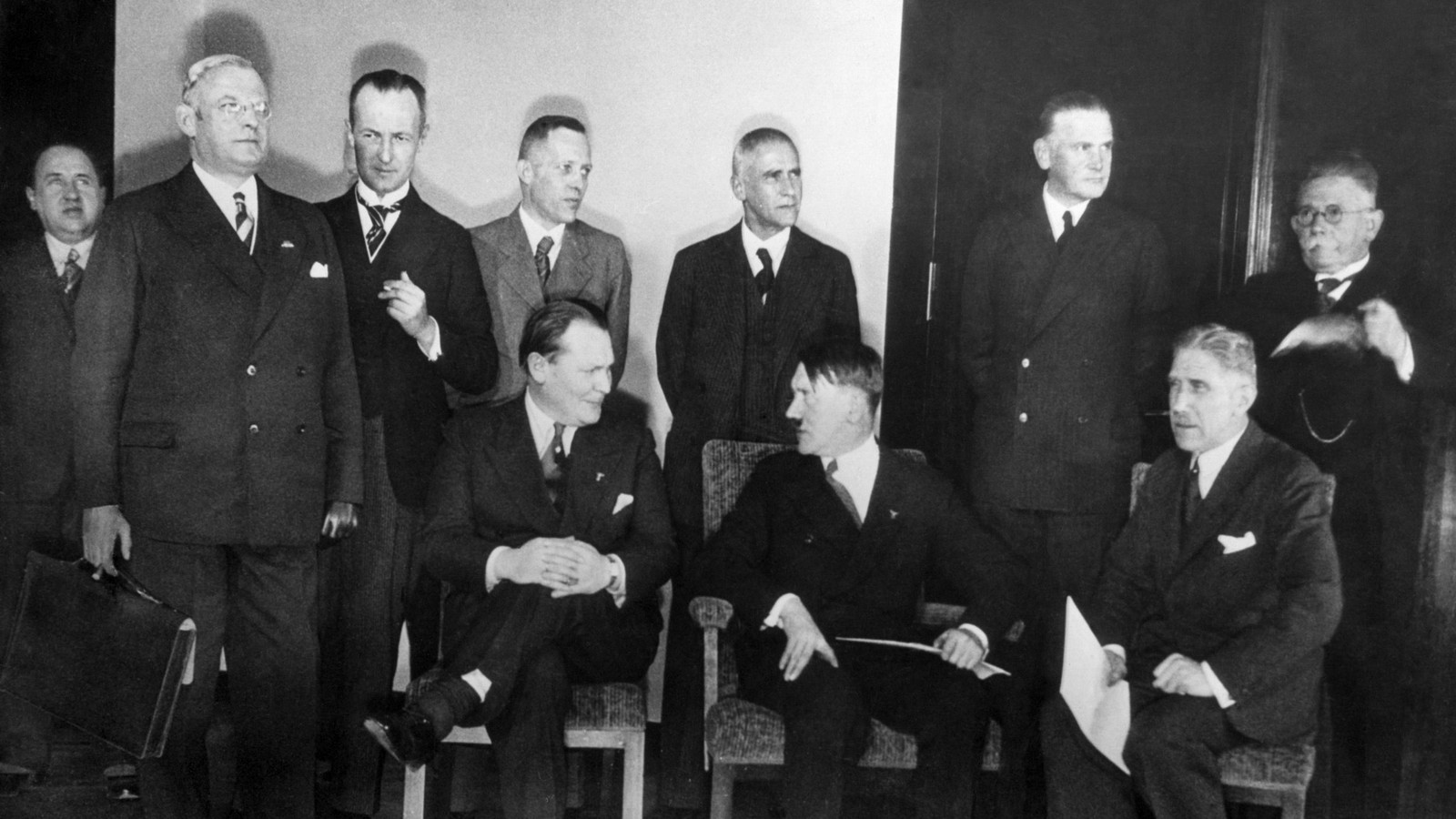
How Hitler Dismantled a Democracy in 53 Days
He used the constitution to shatter the constitution.
Législatives : le Rassemblement National aurait la majorité absolue au deuxième tour sans désistement généralisé ou front républicain (projection exclusive) | Le Grand Continent
Pour avoir la majorité absolue, le RN doit neutraliser le Front Républicain. Selon les projections de la revue BLUE du Groupe d’études géopolitiques à partir des matrices de transition des législatives de 2022, l’extrême droite pourrait avoir une majorité absolue au deuxième tour en l’absence de désistement. Alors que les tractations continuent jusqu’à mardi, 18h (date limite pour les déclarations de désistement), nous étudions trois scénarios.

W Social published a "constitution" W supports freedom of expression then in the same breath says no pornography wsocial.news/constitution

W - The European social network for verified humans
wsocial.news