

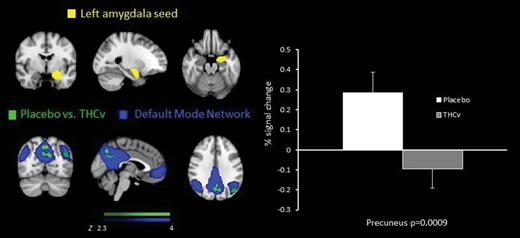
AbstractBackground:. The cannabinoid cannabinoid type 1 (CB1) neutral antagonist tetrahydrocannabivarin (THCv) has been suggested as a possible treatment f
Cannabinoids promote embryonic and adult hippocampus neurogenesis and produce anxiolytic- and antidepressant-like effects
The hippocampal dentate gyrus in the adult mammalian brain contains neural stem/progenitor cells (NS/PCs) capable of generating new neurons, i.e., neurogenesis. Most drugs of abuse examined to date decrease adult hippocampal neurogenesis, but the effects of cannabis (marijuana or cannabinoids) on hippocampal neurogenesis remain unknown. This study aimed at investigating the potential regulatory capacity of the potent synthetic cannabinoid HU210 on hippocampal neurogenesis and its possible correlation with behavioral change. We show that both embryonic and adult rat hippocampal NS/PCs are immunoreactive for CB1 cannabinoid receptors, indicating that cannabinoids could act on CB1 receptors to regulate neurogenesis. This hypothesis is supported by further findings that HU210 promotes proliferation, but not differentiation, of cultured embryonic hippocampal NS/PCs likely via a sequential activation of CB1 receptors, Gi/o proteins, and ERK signaling. Chronic, but not acute, HU210 treatment promoted neurogenesis in the hippocampal dentate gyrus of adult rats and exerted anxiolytic- and antidepressant-like effects. X-irradiation of the hippocampus blocked both the neurogenic and behavioral effects of chronic HU210 treatment, suggesting that chronic HU210 treatment produces anxiolytic- and antidepressant-like effects likely via promotion of hippocampal neurogenesis.

How Your Genes Impact Your Response to Cannabis - Live Webinar Recording
Marijuana May Grow Neurons in the Brain
SASKATOON, Saskatchewan - Marijuana may promote the growth of new neurons in the hippocampus, perhaps relieving anxiety and depression, according to a Canadian team.

Magic Mushroom Drug Lifts Depression in Human Trial
Psilocybin shows higher remission rate than SSRI drugs in a U.K. study

Study: Smoking pot doesn’t make you anxious or depressed
And it's definitely not as bad for your brain as the DEA says.

A single high dose of psilocybin alters brain function up to one month later
New research provides evidence that the active ingredient in so-called magic mushrooms can affect brain processes related to emotional functioning long
A Dose of a Hallucinogen From a ‘Magic Mushroom,’ and Then Lasting Peace (Published 2016)
Two studies used psilocybin to see if the drug could reduce depression and anxiety in cancer patients. The results were striking.

From treating PTSD to quitting tobacco: researchers say public investment into psychedelic drugs essential | CBC News
Magic mushrooms to treat depression, ecstasy to cure PTSD and LSD to combat alcoholism; just some of the drug-affliction pairings that have been tested in recent years.

Cannabis Evidence | Systematically Testing the Evidence on Marijuana
Cannabis use is becoming increasingly common among older adults in the United States, but less is known about how often cannabis use may become problematic in this population. A new study from University of California San Diego School of Medicine finds that among the...

Virtual brain twins for stimulation in epilepsy
Estimating the epileptogenic zone network (EZN) is an important part of the diagnosis of drug-resistant focal epilepsy and has a pivotal role in treatment and intervention. Virtual brain twins provide a modeling method for personalized diagnosis and treatment. They integrate patient-specific brain topography with structural connectivity from anatomical neuroimaging such as magnetic resonance imaging, and dynamic activity from functional recordings such as electroencephalography (EEG) and stereo-EEG (SEEG). Seizures show rich spatial and temporal features in functional recordings, which can be exploited to estimate the EZN. Stimulation-induced seizures can provide important and complementary information. Here we consider invasive SEEG stimulation and non-invasive temporal interference stimulation as a complementary approach. This paper offers a high-resolution virtual brain twin framework for EZN diagnosis based on stimulation-induced seizures. It provides an important methodological and conceptual basis to make the transition from invasive to non-invasive diagnosis and treatment of drug-resistant focal epilepsy.

Enhancing Human Cognition with Cocoa Flavonoids
Enhancing cognitive abilities has become a fascinating scientific challenge, recently driven by the interest in preventing age-related cognitive decline and sustaining normal cognitive performance in response to cognitively demanding environments. In recent years cocoa and cocoa-derived products, as a rich source of flavonoids, mainly the flavanols sub-class, have been clearly shown to exert cardiovascular benefits. More recently, neuromodulation and neuroprotective actions have been also suggested. Here, we discuss human studies specifically aimed at investigating the effects of acute and chronic administration of cocoa flavanols on different cognitive domains, such as executive functions, attention and memory. Through a variety of direct and indirect biological actions, in part still speculative, cocoa and cocoa-derived food have been suggested to possess the potential to counteract cognitive decline and sustain cognitive abilities, particularly among patients at risk. Although still at a preliminary stage, research investigating the relations between cocoa and cognition shows dose-dependent improvements in general cognition, attention, processing speed and working memory. Moreover, cocoa flavanols administration could also enhance normal cognitive functioning and exert a protective role on cognitive performance and cardiovascular function specifically impaired by sleep loss, in healthy subjects. Together, these findings converge at pointing to cocoa as a new interesting nutraceutical tool to protect human cognition and counteract different types of cognitive decline, thus encouraging further investigations. Future research should include complex experimental designs combining neuroimaging techniques with physiological and behavioral measures to better elucidate cocoa neuromodulatory properties and directly compare immediate versus long-lasting cognitive effects.

Psychedelic mushrooms reduce authoritarianism and boost nature relatedness, experimental study suggests
Psilocybin, the active compound in magic mushrooms, could make people feel more connected to nature and less likely to endorse authoritarian views,

The brain functional connectome is robustly altered by lack of sleep
Sleep is a universal phenomenon necessary for maintaining homeostasis and function across a range of organs. Lack of sleep has severe health-related consequences affecting whole-body functioning, yet no other organ is as severely affected as the brain. The neurophysiological mechanisms underlying these deficits are poorly understood. Here, we characterize the dynamic changes in brain connectivity profiles inflicted by sleep deprivation and how they deviate from regular daily variability. To this end, we obtained functional magnetic resonance imaging data from 60 young, adult male participants, scanned in the morning and evening of the same day and again the following morning. 41 participants underwent total sleep deprivation before the third scan, whereas the remainder had another night of regular sleep. Sleep deprivation strongly altered the connectivity of several resting-state networks, including dorsal attention, default mode, and hippocampal networks. Multivariate classification based on connectivity profiles predicted deprivation state with high accuracy, corroborating the robustness of the findings on an individual level. Finally, correlation analysis suggested that morning-to-evening connectivity changes were reverted by sleep (control group)-a pattern which did not occur after deprivation. We conclude that both, a day of waking and a night of sleep deprivation dynamically alter the brain functional connectome.
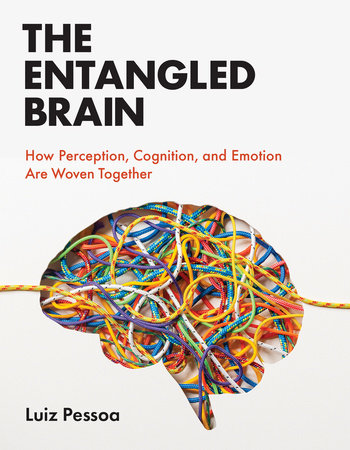
The Entangled Brain: How Perception, Cognition, and Emotion Are Woven Together
A new vision of the brain as a fully integrated, networked organ.Popular neuroscience accounts often focus on specific mind-brain aspects like addiction, c
Center for Precision Psychiatry & Mental Health
The Stavros Niarchos Foundation Center for Precision Psychiatry is a joint effort of the Columbia Department of Psychiatry at CUIMC and Columbia’s Zuckerman Mind Brain Behavior Institute.
Comparison of adaptive pacing therapy, cognitive behaviour therapy, graded exercise therapy, and specialist medical care for chronic fatigue syndrome (PACE): a randomised trial
CBT and GET can safely be added to SMC to moderately improve outcomes for chronic fatigue syndrome, but APT is not an effective addition.
