

Charles H. Cooley; The Process of Social Change, Political Science Quarterly, Volume 12, Issue 1, 1 March 1897, Pages 63–81, https://doi.org/10.2307/214002
Hospicing Modernity
The book “Hospicing Modernity: Facing Humanity’s Wrongs and the Implications for Social Activism” was published in September 2021. If you are in Canada, you can purchase the book …

The Road to Resegregation by Alex Schafran - Paper
Scholarship is a powerful tool for changing how people think, plan, and govern. By giving voice to bright minds and bold ideas, we seek to foster understanding and drive progressive change.

"Collective Power: Patterns for a Self-Organized Future by Ted J. Rau" [english edition] (ebook) - Sociocracy For All
by Ted Rau Preorder Ebook

The Syllabus on Twitter / X
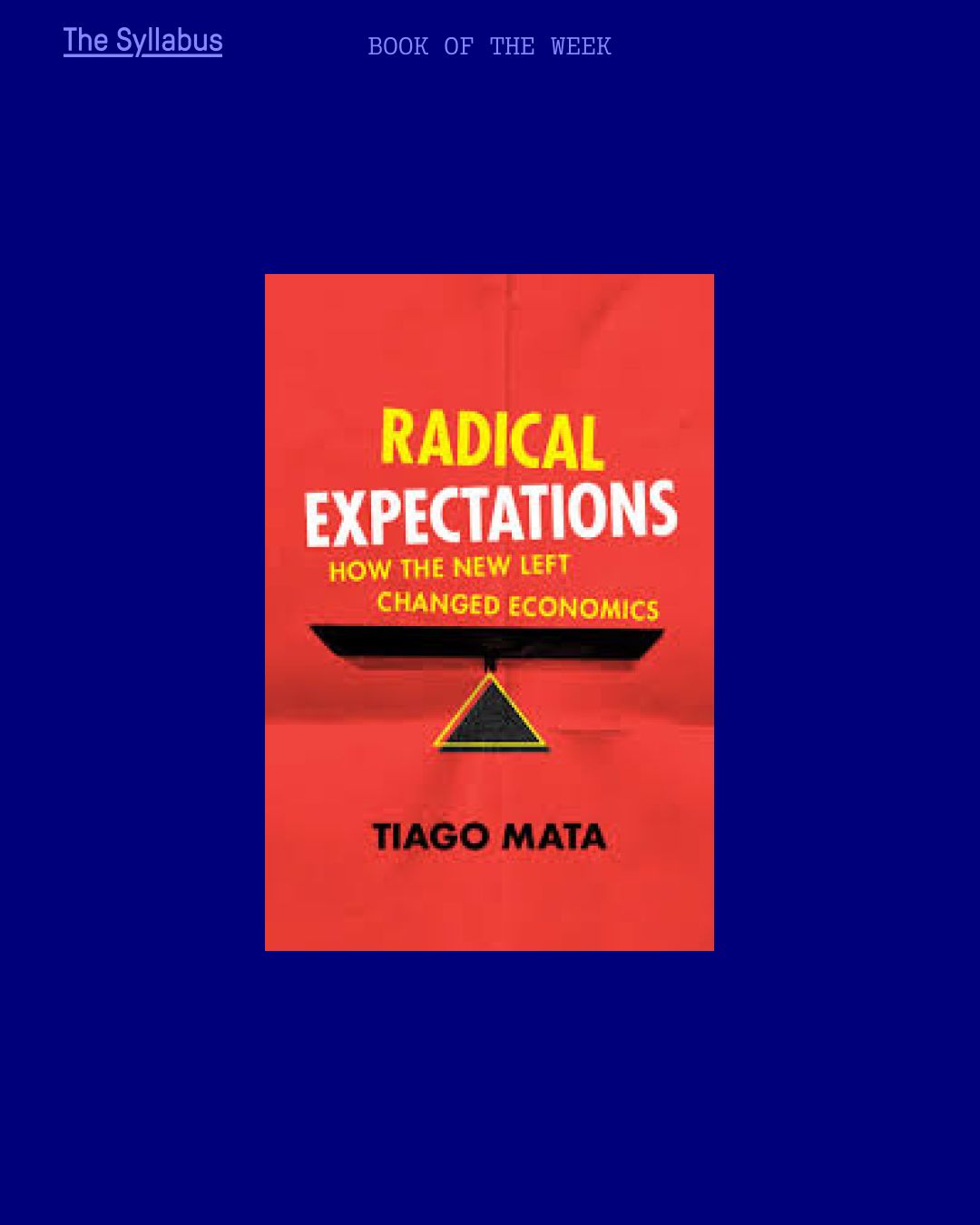
In the 1970s, radical economists left the university to work as activists. From the Union for Radical Political Economics to economic affairs bulletins, our book of the week investigates how the New Left changed economics.By Tiago Mata on @CambridgeUPhttps://t.co/aQQi9nqd0C pic.twitter.com/FM1A9nK5vN— The Syllabus (@syllabus_tweets) September 1, 2026
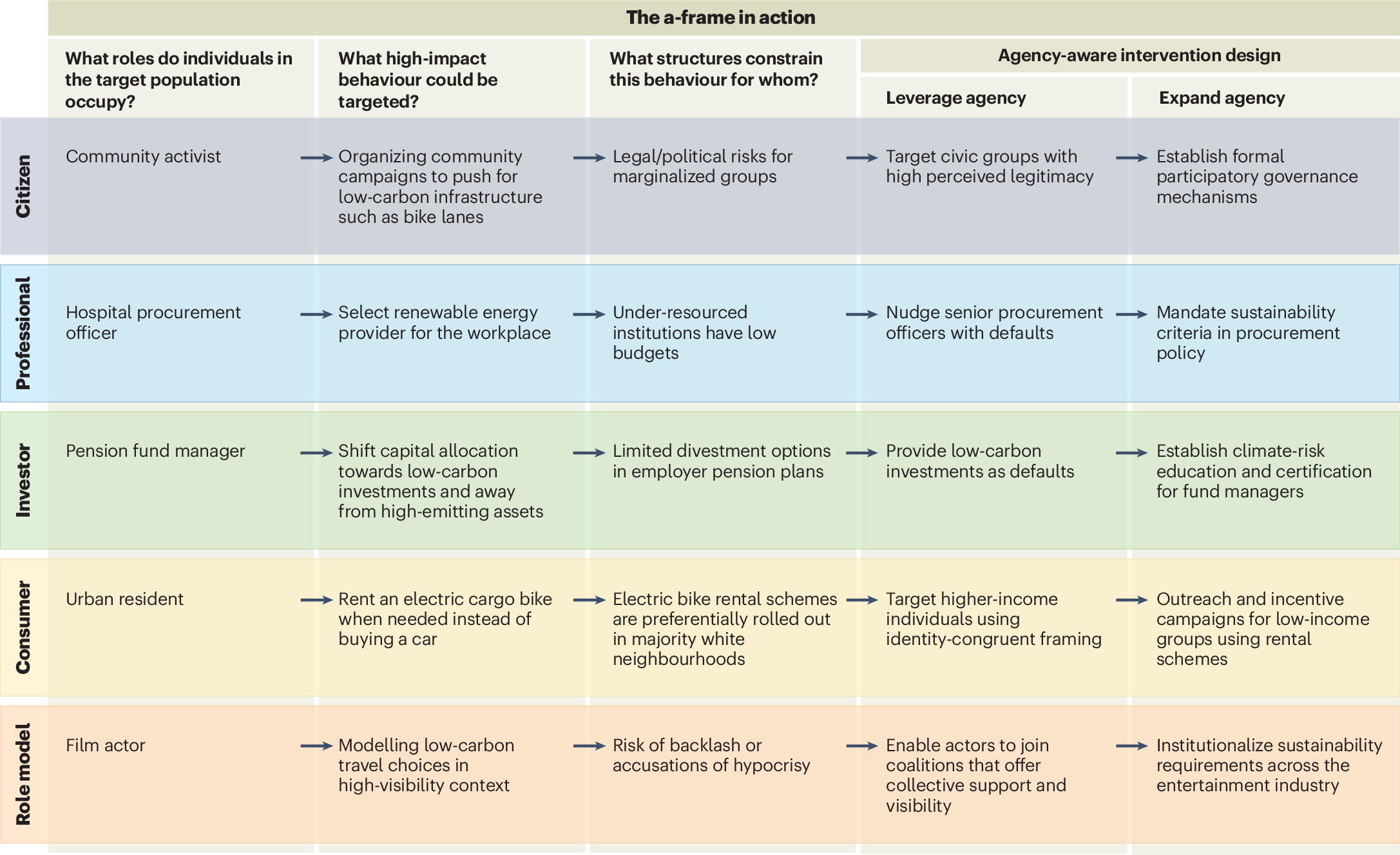
Leveraging agency for climate change mitigation
Climate debates often frame individual behaviour and systems change as distinct pathways to action. We suggest that social change arises from individuals’ agency within their roles in societal systems, and that this agency should be actively leveraged to achieve meaningful climate change mitigation.
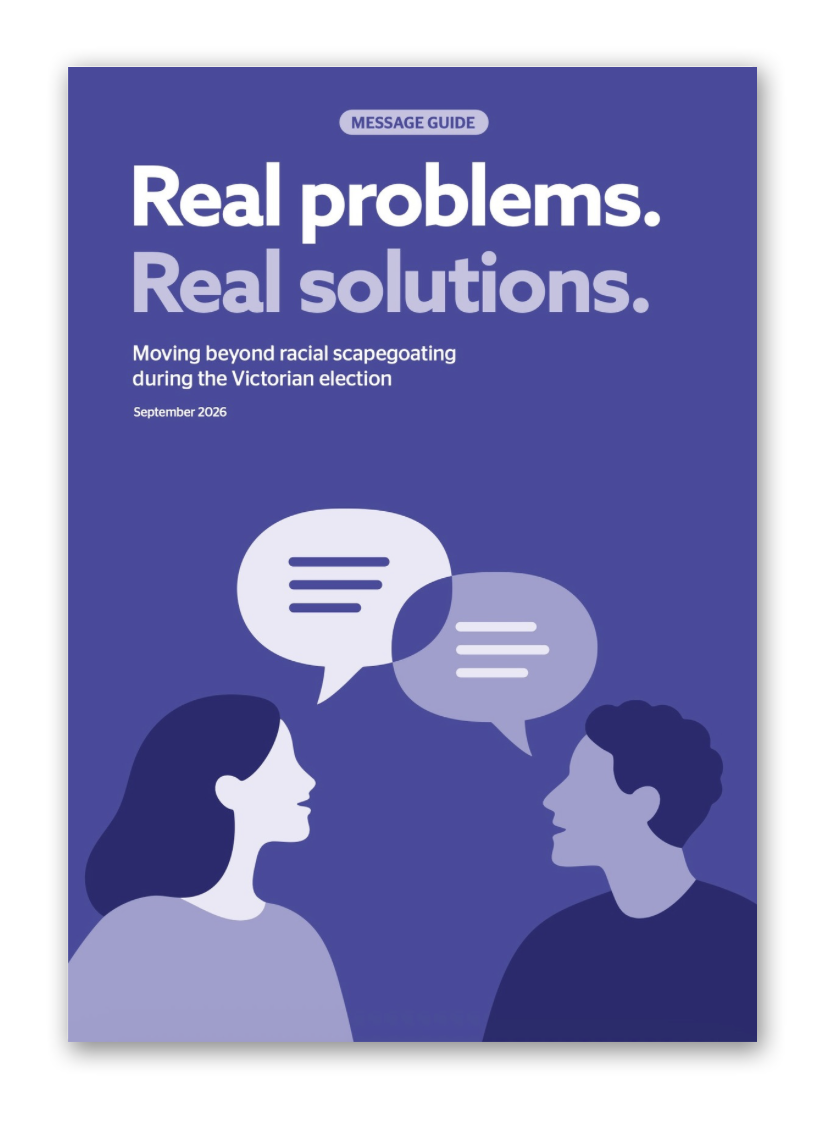
Real Problems, Real Solutions: A Messaging Guide to Move Beyond Racial Scapegoating in the Victorian Election
The Commons is an online library for the change makers of the world and for those interested in social change, activism, organising, advocacy and justice.
A Statistical Interrogation of “The Case for Causality, Part 1” by Rausch and Haidt – Matthew B. Jané
I don’t know anything about the literature on social media and mental health so my focus on this post is to interrogate the statistical approach taken by the article written by Zach Rausch and Jonathon Haidt (link here) and to some extent the original meta-analysis by Ferguson.

Social Construction | The Paper Pilot
The Paper Pilot's digital garden of thoughts on philosophy, politics, and sociology
Hyperpolitics: Extreme Politicization without Political Consequences
POLITICS AFTER THE END OF THE END OF HISTORYWhat happens when politics is everywhere, yet nothing seems to change? From the abandoned dance floors of Thatcher’s London to the mass mobilizations of Black Lives Matter, Anton Jäger traces how public life has become infused with protest, spectacle, and moral urgency — while the old infrastructure of parties, unions, and civic solidarity has been hollowed out.Hyperpolitics revisits the illusions of the “end of history” and dissects the strange energies that replaced them: viral outrage, endless culture wars, and the digital rush of causes that flare and vanish overnight. Jäger shows how the promises of post–Cold War liberalism gave way to a restless, unsteady public sphere where private passions overflow into politics but rarely build enduring power.Ranging from Guy Debord and Wolfgang Tillmans to Houellebecq’s disenchanted fictions, Hyperpolitics makes sense of a world in which collective action remains fragmented and the social fabric thinner than ever. For anyone trying to grasp why our age feels so charged yet so inconsequential, this book offers a vital map through the new contradictions of our hyperpolitical moment.
Field Theory: AI as Social Science Question, Object & Tool
Uses of advanced artificial intelligence are changing how societies organize labor, govern, produce knowledge, and make meaning. In light of these developments, this essay argues that AI models, tools, and systems pose three interrelated imperatives for social science: they demand renewed attention to social theories of how technology, human experience, and social order are entangled; they require study as objects of inquiry in their own right; and they offer capabilities that may transform—or upend—the practice of social investigation itself. From Weber’s analysis of rationalization to Du Bois’s study of technology and inequality to contemporary scholarship on algorithmic governance, the essay examines what social science distinctively offers: the capacity to historicize the apparently unprecedented, to trace connections across scales, and to center those most affected by technological change. It identifies how algorithmic systems are remaking the distribution of opportunity and risk as a central task of social inquiry and asks what futures social science might help bring into being.
No There There by Chris Rhomberg - Paper
Scholarship is a powerful tool for changing how people think, plan, and govern. By giving voice to bright minds and bold ideas, we seek to foster understanding and drive progressive change.

Incremental Social | The Paper Pilot
The Paper Pilot's digital garden of thoughts on philosophy, politics, and sociology
Anarchism
Geoffrey Ostergaard Anarchism 1993 Published in The Blackwell Dictionary of Modern Social and Political Thought, pp. 12–14.

Transformative Justice | The Paper Pilot
The Paper Pilot's digital garden of thoughts on philosophy, politics, and sociology
Bluesky 101: How-to Guide for Progressives
The Commons is an online library for the change makers of the world and for those interested in social change, activism, organising, advocacy and justice.

We will discuss this paper in the civic participation journal club. Cannot wait to read it at lunchtime tomorrow🍎

Brihi Joshi
Reasoning about the "why" behind user behavior can improve LLM personas! ✨🧠📈 📝Excited to share our new work: Improving LLM Personas via Rationalization with Psychological Scaffolds 🔗 arxiv.org/abs/2504.17993 🧵 (1/n)
