The War on Terror-era legislation that authorized decades of civil liberties-eroding mass surveillance expired June 12. . Congress has a choice to make before they reauthorize this bill: will they greenlight warrantless mass surveillance of American citizens, or uphold the Constitution and prevent more of Trump's authoritarian powergrabs? Section 702 of the Foreign Intelligence Surveillance Act (FISA) was passed in 2008 as a counterterrorist measure, but has a long history of abuse from the federal government, especially when it comes to surveillance. Congress has a choice to make: Will they greenlight warrantless mass surveillance, or hold the line and reject any effort to move forward without serious privacy guardrails. FISA as it is currently written: Allows warrantless backdoor surveillance of people in and out of the country Offers little to no protections against the administration targeting critics, activists, religious minorities, or communities of color Actively chills our freedoms of speech and association Two years ago, this reauthorization legislation sailed through Congress with bipartisan support. That can’t happen again. Democratic leadership and members must hold the line for our civil liberties. And any Democrat or Republican voting for unfettered spying on US citizens should hear from their constituents. Let your Members of Congress know you expect them to reject reauthorization unless it includes significant reforms to protect our civil liberties against this authoritarian regime.
The Lawful Access Two-Headed Surveillance Monster: How Bill C-22 Went Off the Rails - Michael Geist
The government’s plans for lawful access have gone off the rails. In recent days, Signal has warned it would pull out of the Canadian market rather than comply with Bill C-22. Windscribe, the Toronto-headquartered VPN provider, has said it would relocate its headquarters out of Canada and NordVPN has warned it would consider following suit. Apple and Meta have both raised public concerns about the bill’s effect on encryption and cybersecurity. The Canadian Chamber of Commerce, the Cybersecurity Advisors Network, civil liberties groups, and a long line of legal and security experts have all called for changes. The chairs of the U.S. House Judiciary and Foreign Affairs Committees have written to Public Safety Minister Gary Anandasangaree warning that the bill threatens U.S. national security and the integrity of cross-border data flows. Even the bill’s own oversight body, the National Security and Intelligence Review Agency, has told the SECU committee it does not have the access it needs for effective oversight. If the government thought it could push through the bill largely unnoticed, it has been proven painfully wrong as there are now trade frictions with the U.S., the prospect of leading companies exiting the Canadian market, and weaker cybersecurity protections for ordinary users. How did Canada’s lawful access plan go awry so quickly?

Section 702 of the Foreign Intelligence Surveillance Act (FISA): 2026 Resource Page
The following Brennan Center and coalition resources provide detailed information on Section 702, how it has been used to gain warrantless access to Americans’ communications, proposals for reforming the law, and the 2026 reauthorization process.

Get FISA Right
Both chambers of Congress have left town, meaning that FISA Section 702 won’t be reauthorized by the June 12 “deadline”. Even though the lapse is likely to be temporary, it’s still a big deal. This is the first time these authorities have lapsed since they were put in place in 2008 — the year Get FISA Right started. So thanks to all the legislators in both parties who voted “no” … and thanks to all the activists who have gotten involved over the years!

Lawful-access bill could threaten encryption, deter investment, Chamber of Commerce warns
Bill would require telecoms, internet companies to change systems to give surveillance, monitoring capabilities to authorities

📣 Take Action: Reform Section 702: End mass warrantless surveillance
Make an impact with guided actions from Freedom of The Press Foundation.
We Need A Massive Surveillance Program (Idle Words)
I am a privacy activist who has been riding a variety of high horses about the dangers of permanent, ubiquitous data collection since 2012.
Vigilantism comes for Flock
More Americans than ever are destroying Flock license plate cameras amid rising backlash against the company. Is the tide turning on intrusive U.S. mass surveillance, and where does the privacy fight go next?

How (Not) to Write a Privacy Law
After many years of failed starts, proposed information privacy legislation has begun moving forward in both houses of Congress. The docket in the recently ended 116th Congress was crowded, with a number of different proposals jostling for attention and no agreement on which deserved to be the front runner. Even so, as the 117th Congress begins, there is growing inside-the-Beltway consensus on the list of features that a successful bill will need to include. This paper critically assesses those zones of emerging consensus.
Why the U.S. is noticing this Canadian security bill | CBC News
A Liberal government bill that proposes giving police and spies easier access to information during investigations has fallen into the crosshairs of U.S. tech giants and two American congressional committees, threatening to become the latest irritant in the Canada-U.S. relationship.

Tell Congress: No 702 without real reform
Join us in urging Senators and Representatives to stand up for the Fourth Amendment and protect our privacy!

AI 'surveillance pricing' under scrutiny from U.S. lawmakers
(The Center Square) – In a rare instance of bipartisanship, Congress is taking a closer look at AI surveillance pricing, where corporations will charge some consumers higher prices based on

Privacy under attack: the NSA files revealed new threats to democracy
We now know the apparatus of repression has been attached to the democratic state, but our struggle for privacy is far from hopeless. By Eben Moglen
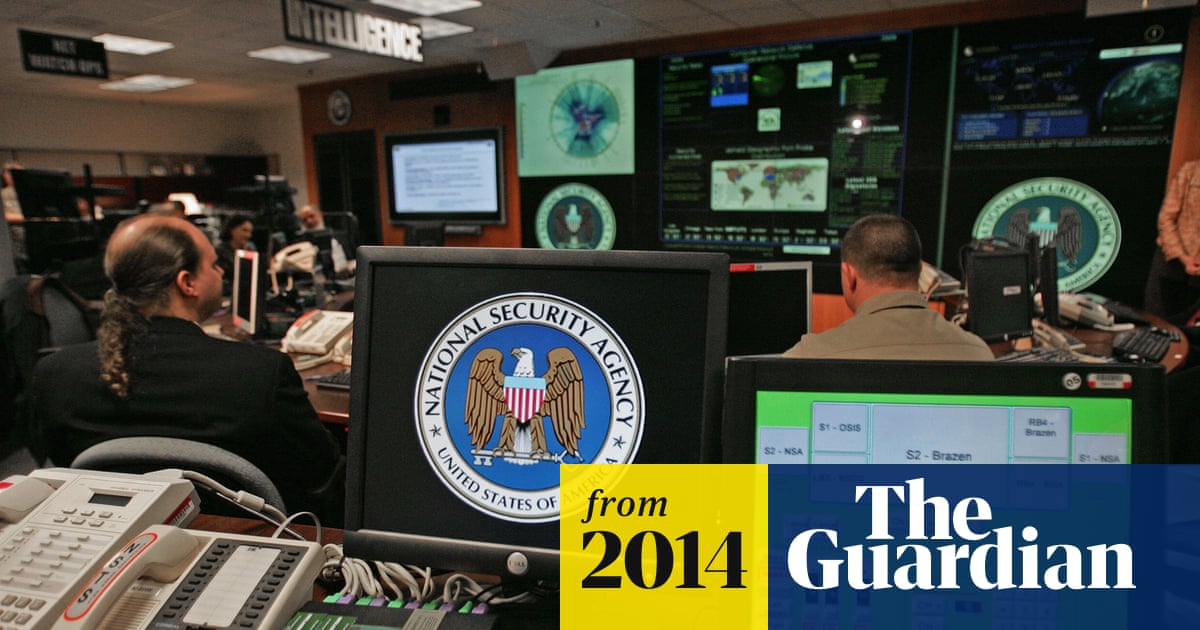
Former CIA Officer: President Obama Should Pardon Edward Snowden
He let Americans evaluate omniscient domestic surveillance for themselves
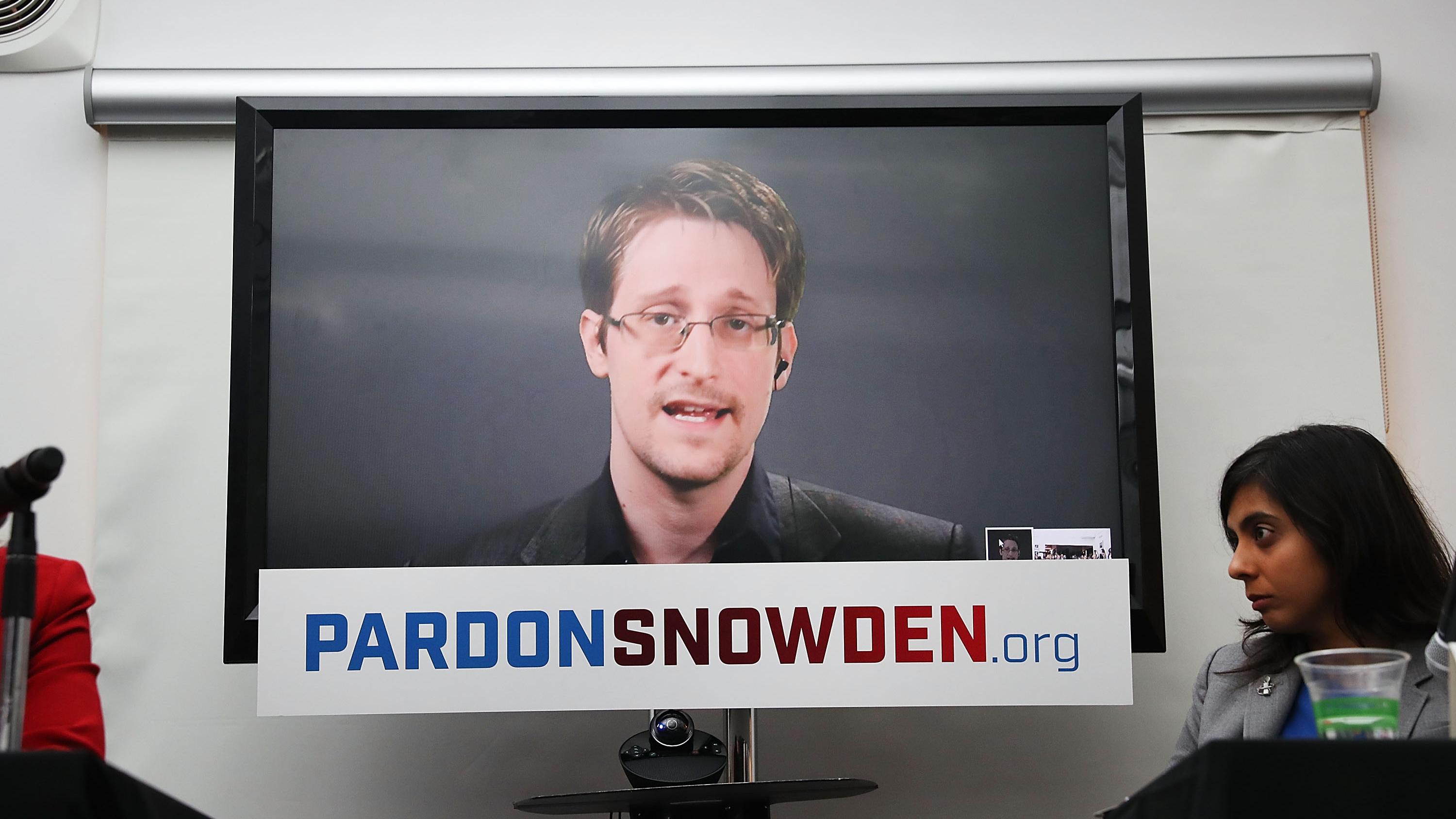
Mass surveillance silences minority opinions, according to study
A new study shows that knowledge of government surveillance causes people to self-censor their dissenting opinions online.
Digital Driver’s Licenses Threaten to Create a “Great Internet Lockdown” | ACLU
Two trends threaten the creation of a bureaucratic wall between Americans and the information they have a right to access

Stop Bill C-22!
🚨 Bill C-22 forces every Canadian internet provider, messaging app & cloud service to build surveillance backdoors and store a year of your data. Foreign state hackers exploited similar legislation in the US. Shut the backdoor: https://openmedia.org/StopC22 #BillC22